Standing inside a glacier is one of the strangest things you can do in Iceland. The walls are a blue you won't see anywhere else, the ice creaks and drips around you, and the cave you're standing in probably didn't exist a year ago and won't exist next year. It's also the one Iceland experience where the season, the tour you pick and the guide really matter.
This guide covers when ice caves are open, the difference between the natural caves in Vatnajökull and the year-round options, what changed after the fatal accident in 2024, what a tour actually involves, what to wear, and how to choose.
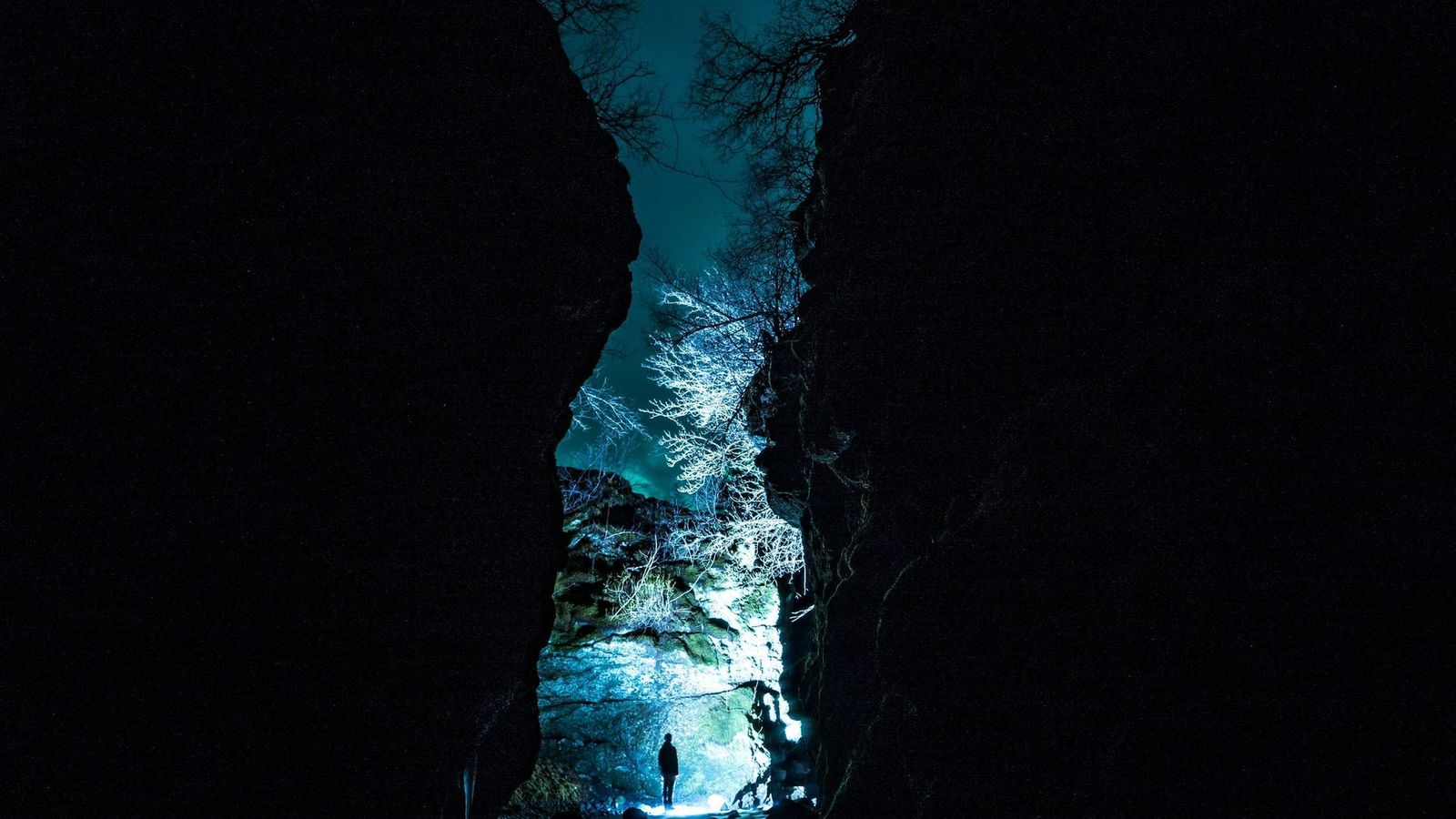
The real natural ice caves are in Vatnajökull National Park and are open to tours from October to April only. If you're here outside that window, Katla near Vík and the man-made tunnel in Langjökull run all year. Always go with a licensed guide, book a few days ahead in peak winter, and expect a walk on glacier ice in crampons. Caves change every season, so the one you see won't look like last year's photos.
What Ice Caves Actually Are
Natural ice caves form when meltwater runs through or under a glacier in summer and carves tunnels in the ice. When it gets cold in autumn the water stops flowing, the tunnels stabilise, and guides go out to find which ones are safe to enter. That's why most caves are new every winter, and why the season can't start until the cold has properly set in.
The deep blue colour comes from glacier ice that has been compressed for centuries, squeezing out the air bubbles. Dense ice absorbs red light and reflects blue. Near Katla you also get black and grey streaks: layers of ash from past eruptions frozen into the ice.
When Can You Go?
| Option | Where | Season | Natural or man-made |
|---|---|---|---|
| Vatnajökull ice caves | Breiðamerkurjökull (from Jökulsárlón) and around Skaftafell | October – April | Natural |
| Katla ice cave | Kötlujökull, Mýrdalsjökull, under an hour from Vík | All year | Natural |
| Langjökull ice tunnel | Langjökull, from Húsafell or Reykjavík | All year | Man-made tunnel |
| Perlan ice cave | Perlan museum, Reykjavík | All year | Artificial, 100 m long |
Within the Vatnajökull season, November to March is the most reliable. October and April depend on the weather: an early cold spell can open caves sooner, and a warm spell can close them for days. Even in mid-winter, heavy rain or a sudden thaw can flood a cave, and tours are moved or cancelled.
Safety and What Changed After 2024
In August 2024 part of an ice cave collapsed on a summer tour at Breiðamerkurjökull, killing one visitor and injuring another. The tour shouldn't have been inside a cave in summer, when meltwater makes the ice unstable, and the accident led to a major tightening of the rules.
- Ice cave tours in Vatnajökull National Park are now banned from May to September, with the last tours of each season scheduled for the end of April.
- Only companies with a contract from the park can run tours there. Fewer contracts were granted than applied for (Grapevine).
- Operators must assess risk in each cave daily and share that information with each other.
- Each guide can take only 8 to 16 guests, depending on the tour.
- The park can limit total visitor numbers if caves get overcrowded.
The tight rules apply inside Vatnajökull National Park. On other glaciers, including Katla, safety is largely up to the operator (Iceland Review). Choose an established company with qualified glacier guides, and don't be shy about asking how they assess the cave each day.
What a Tour Is Actually Like
A standard Vatnajökull tour meets at Jökulsárlón or Skaftafell. You get a helmet and crampons, ride in a modified super jeep across the glacier moraine, and then walk on the ice to the cave. Recent tours to the main cave near Jökulsárlón have involved about 1.8 km each way on foot, with the whole tour taking a little over three hours (Local Guide).
Inside, you usually get 20 to 40 minutes, depending on the size of the cave and how many groups are there. Some caves are tall halls you can walk through. Others are low tunnels you crouch through. The guide will tell you where you can and can't stand.
Katla tours from Vík are similar: a jeep ride across black sand, a short glacier walk in crampons, and about three hours in total. The Langjökull tunnel is the easiest: you're driven up the glacier in a large converted truck and walk through lit, man-made tunnels with no crampons needed.
What to Wear
Most operators rent boots if yours aren't suitable. Trainers aren't allowed. More on dressing for Iceland in the packing list.
How to Choose
| If you want… | Choose |
|---|---|
| The classic deep-blue natural cave | A Vatnajökull tour from Jökulsárlón or Skaftafell, November–March |
| A natural cave as a day trip from Reykjavík or on a summer trip | Katla, from Vík or with Reykjavík pickup |
| Something easy and predictable, with kids or limited mobility | The Langjökull ice tunnel or Perlan |
| The biggest adventure | A full-day ice cave and glacier hike combo in Vatnajökull |
A few things that make a difference:
- Stay nearby. Jökulsárlón is about five hours' drive from Reykjavík in good conditions. Plan a night in Höfn, Hali or near Skaftafell, not a day trip.
- Book a few days ahead in peak winter, but keep your plans flexible: tours get cancelled for weather.
- Leave time for the drive. The South Coast in winter means wind, ice and short days. Read the winter driving guide before you go.
- Pair it with Jökulsárlón and Diamond Beach, which are right next to the meeting point. See the Jökulsárlón guide.
The Bottom Line
A natural ice cave in Vatnajökull between November and March is one of the best things you can do in Iceland in winter, and worth planning a trip around. If your dates don't fit, Katla and the Langjökull tunnel are genuinely good alternatives, not consolation prizes. Whatever you pick, go with a licensed guide, dress for wet and cold, and accept that the glacier sets the schedule.