Packing for Iceland is less about fashion and more about staying comfortable in weather that changes fast. You can have sun, rain, wind, cold, and mist in the same afternoon. The mistake tourists make is packing for the temperature only. In Iceland, wind and rain matter just as much as degrees on a forecast.
The short version: bring layers, waterproof outerwear, proper footwear, and a swimsuit. You do not need expedition gear for a normal trip, but you do need practical clothing that handles wet, windy, and shifting conditions.
Think in layers: base layer, warm layer, waterproof shell. This works in summer, winter, and shoulder season. Adjust thickness by season, but keep the system the same.
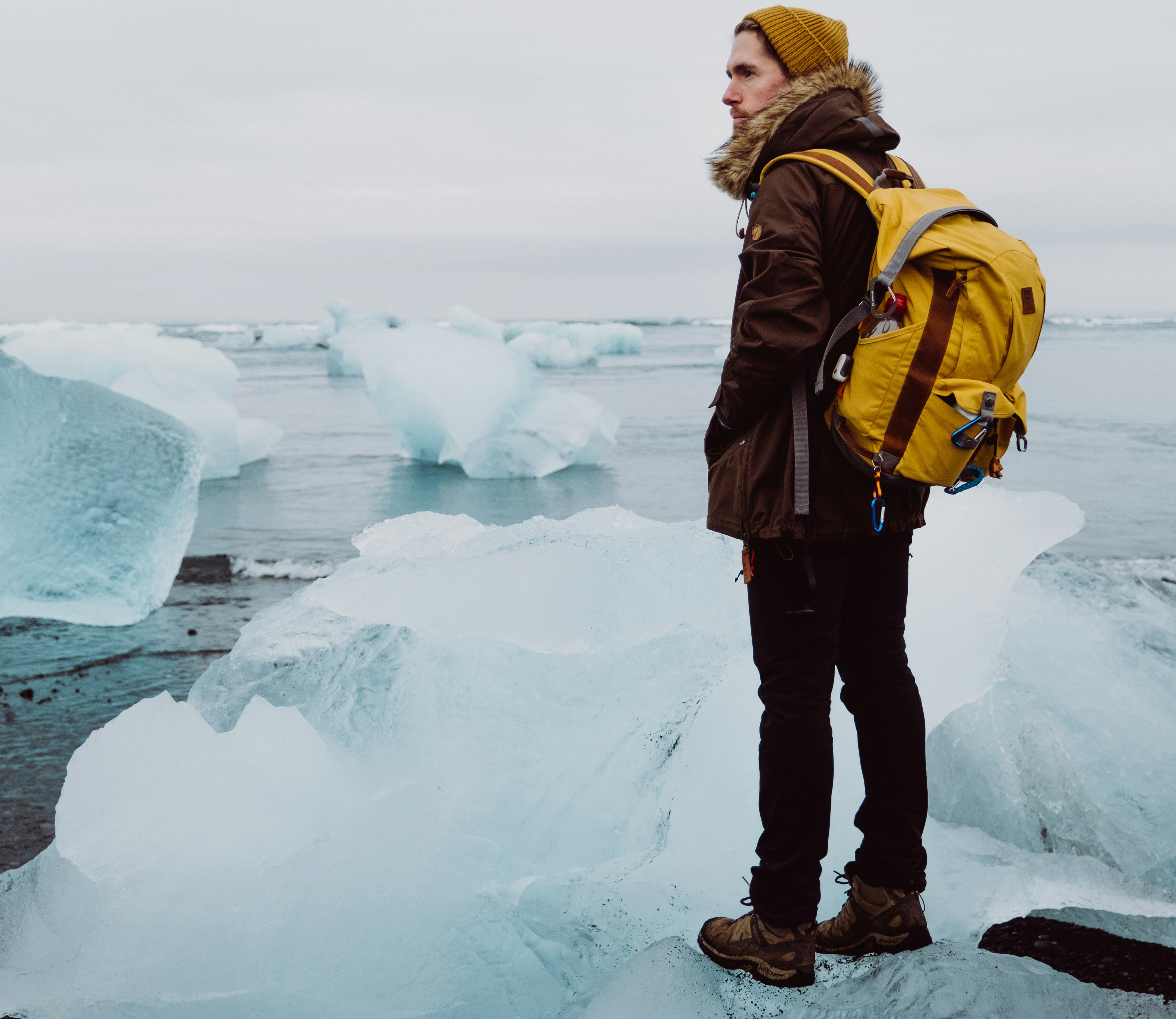
Essentials for Every Season
Some items belong in your bag no matter when you visit. Icelandic weather does not care that it is July. A sunny morning can turn into sideways rain, especially near waterfalls, coastlines, and exposed viewpoints.
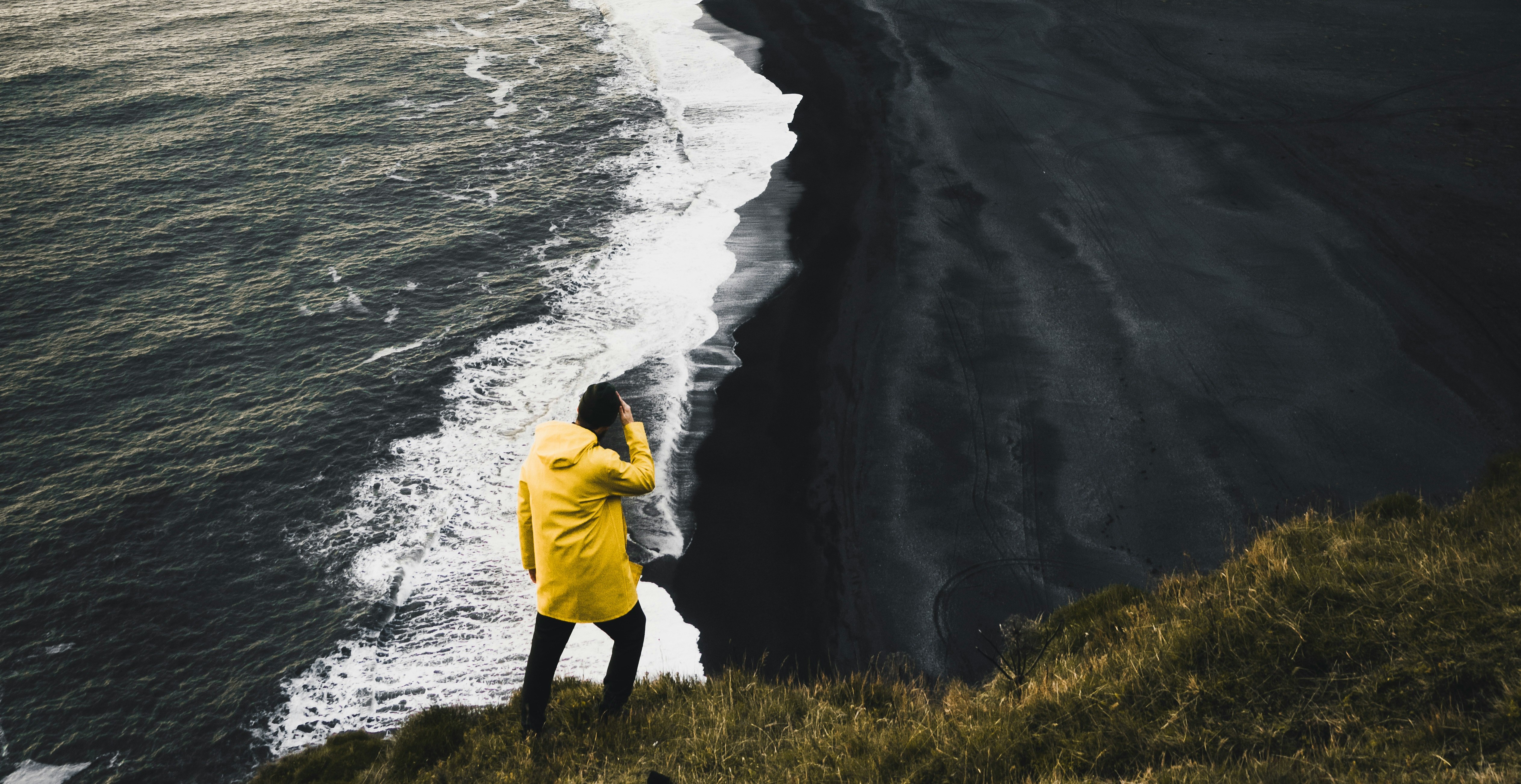
Summer Packing List: June to August
Summer in Iceland is mild, not hot. You can get beautiful sunny days, but you should still expect wind, rain, and cool evenings. The biggest summer advantage is daylight, not guaranteed warmth.
For most summer trips, bring a waterproof jacket, light fleece or wool sweater, long trousers, comfortable hiking pants, T-shirts or base layers, and waterproof footwear. Shorts are optional, but many visitors barely use them. If you plan hiking, bring proper hiking socks and shoes you already trust.
If you are camping or sleeping in shared accommodation, bring an eye mask. Around June and July, nights may stay very bright, and hotel curtains are not always as dark as you expect.
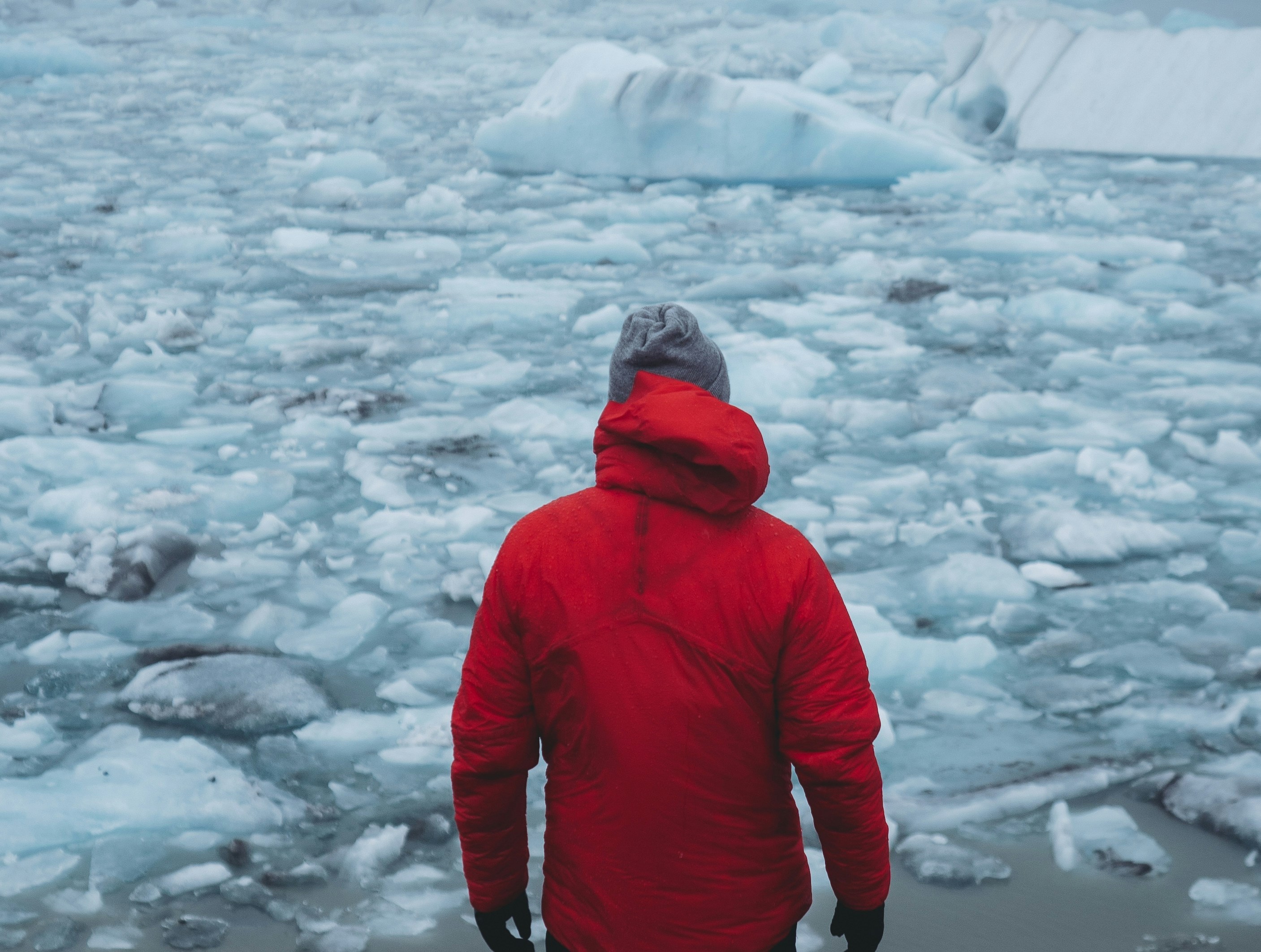
Winter Packing List: November to March
Winter packing is about warmth, wind protection, and traction. Temperatures in Iceland may not look extreme compared with some northern countries, but the wind makes them feel much colder. Wet cold is also different from dry cold; once your outer layer is soaked, the day becomes unpleasant fast.
Microspikes can be useful in winter, especially around icy parking lots, frozen paths, and waterfall viewpoints. They are not needed every day, but when you need them, they make a big difference. If you are doing guided glacier or ice cave tours, operators provide specialist gear.
Shoulder Season: April, May, September, October
Shoulder season is the hardest to pack for because it can feel like two seasons in one day. May can feel almost summery in Reykjavík and cold near glaciers. October can feel autumnal one afternoon and wintery the next morning.
The safest approach is a flexible layer system: light base layers, one warm mid-layer, waterproof shell, gloves, hat, and waterproof footwear. In September and October, bring clothes that work for both rain and wind. In April and May, expect wet ground and muddy paths.
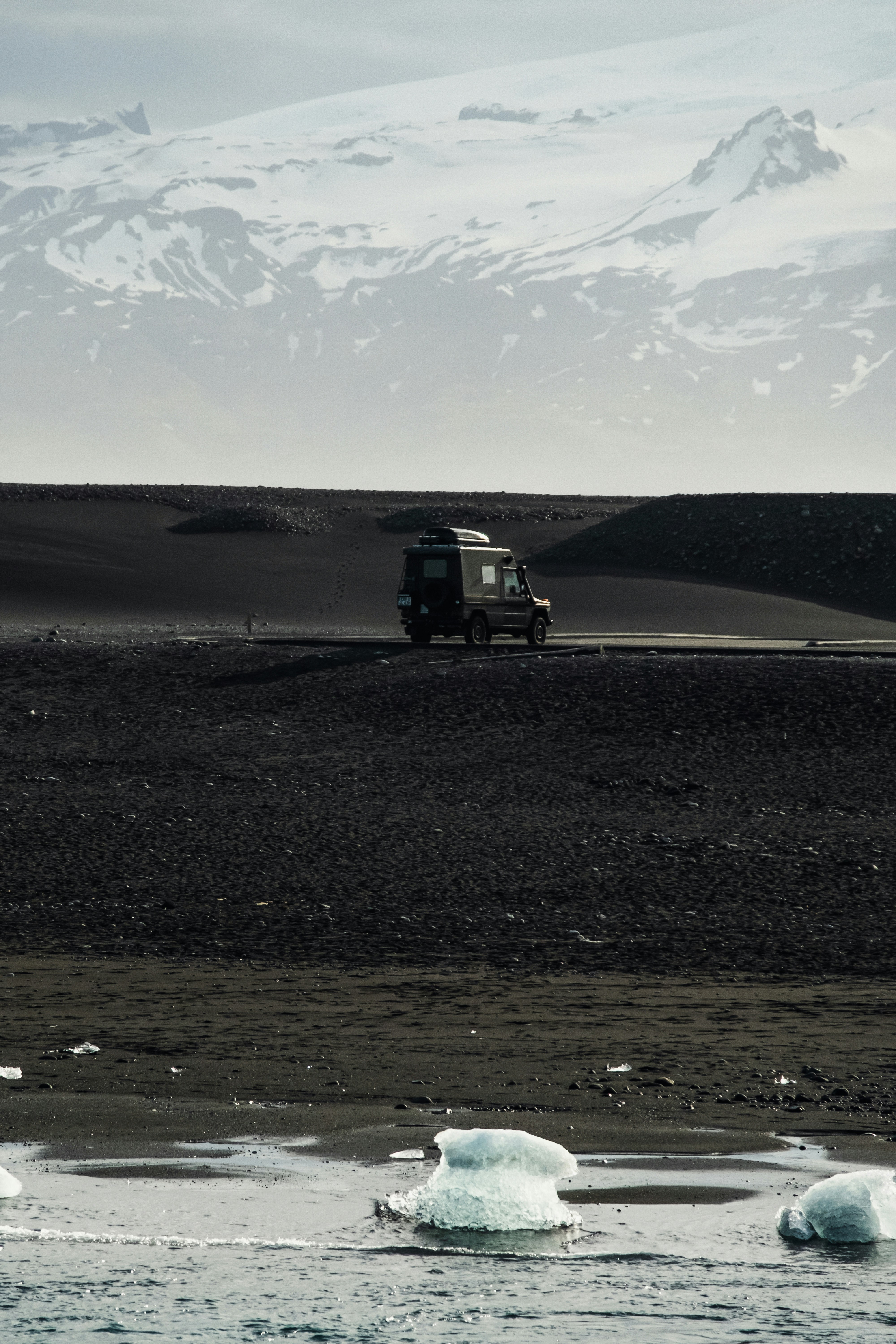
What to Pack for an Iceland Road Trip
If you are renting a car, pack for comfort between stops. Weather can change while you are driving, and remote stretches may have limited services. Keep essentials accessible, not buried under luggage.
Pools, Lagoons, and Hot Springs
Always bring a swimsuit. Icelanders use pools year-round, and geothermal bathing is one of the best parts of traveling here. A small quick-dry towel is useful, though paid lagoons usually offer rentals or included towels depending on ticket type.
Flip-flops are optional but useful in shared showers. For wild hot springs, bring a waterproof bag for wet clothing and respect all local signs and access rules.
Tech and Photography
Iceland is one of the most photographed countries in the world. Whether you are shooting with a phone or a camera, a few extras make a real difference.
At 0°C, a phone battery can drain to zero within an hour if left exposed. Keep your phone and power bank in an inner pocket close to your body, especially in winter and at high-altitude viewpoints.
What Not to Pack
Do not overpack formal clothing. Iceland is casual. Even nice restaurants are rarely formal in the way visitors expect. You also do not need umbrellas; wind often makes them useless. A good hooded rain jacket is better.
Avoid brand-new hiking boots if you plan long walks. Iceland is not the place to discover that your shoes give you blisters. Break them in before the trip.
The Bottom Line
The best Iceland packing list is practical: waterproof outerwear, warm layers, proper shoes, swimsuit, and small travel basics that keep you comfortable when plans change. Pack for wind and wet conditions first, then temperature.
You do not need to bring your entire closet. You need the right system. Layers, grip, waterproofing, and a little humility about the weather will get you much further than a giant suitcase full of "just in case" outfits.