Iceland in winter can be spectacular: northern lights, frozen waterfalls, blue ice caves, snow-covered lava fields, and low golden light that makes the landscape feel cinematic. It can also be difficult. Daylight is limited, weather changes fast, roads close, and wind can turn a normal drive into a serious situation.
The key to a good winter trip is not bravery. It is realistic planning. Winter rewards travelers who slow down, build in buffer time, and accept that Iceland decides the schedule sometimes.
Do not plan a winter trip by copying a summer itinerary. Short daylight, icy roads, storms, and road closures change what is realistic. Fewer stops done well is better than a stressful checklist.
Is Iceland Worth Visiting in Winter?
Yes, if you want winter landscapes, northern lights potential, hot springs in cold weather, fewer crowds, and a quieter version of famous places. Winter can make Iceland feel more dramatic and less crowded than summer.
No, if your main goal is hiking, highland roads, long self-drive days, puffins, camping, or easy access to every region. Many highland roads are closed, some hiking routes are unsafe, and bad weather can change your plan with little warning.
Daylight Changes Everything
Daylight is the biggest planning difference. In December, you may have only about four hours of usable daylight. In February and March, days are longer and winter travel becomes much easier. That is why February and March are often better winter months for first-time winter visitors than December or January.
Short daylight does not mean you cannot travel. It means you should cluster sights geographically. Reykjavík plus the Golden Circle works. Reykjavík plus a South Coast overnight works. A fast Ring Road with long daily drives is a much bigger risk.
Winter Driving in Iceland
Winter driving is the make-or-break issue. Main roads can be clear one day and icy the next. Wind is often more dangerous than snow. Strong gusts can push vehicles sideways, especially larger vans and lighter rental cars.
Check road conditions on road.is before every drive. If the forecast is bad, change the plan. Locals do this too. A closed road or storm warning is not a challenge; it is information. Read the full car rental and driving guide before your trip.
Northern Lights in Winter
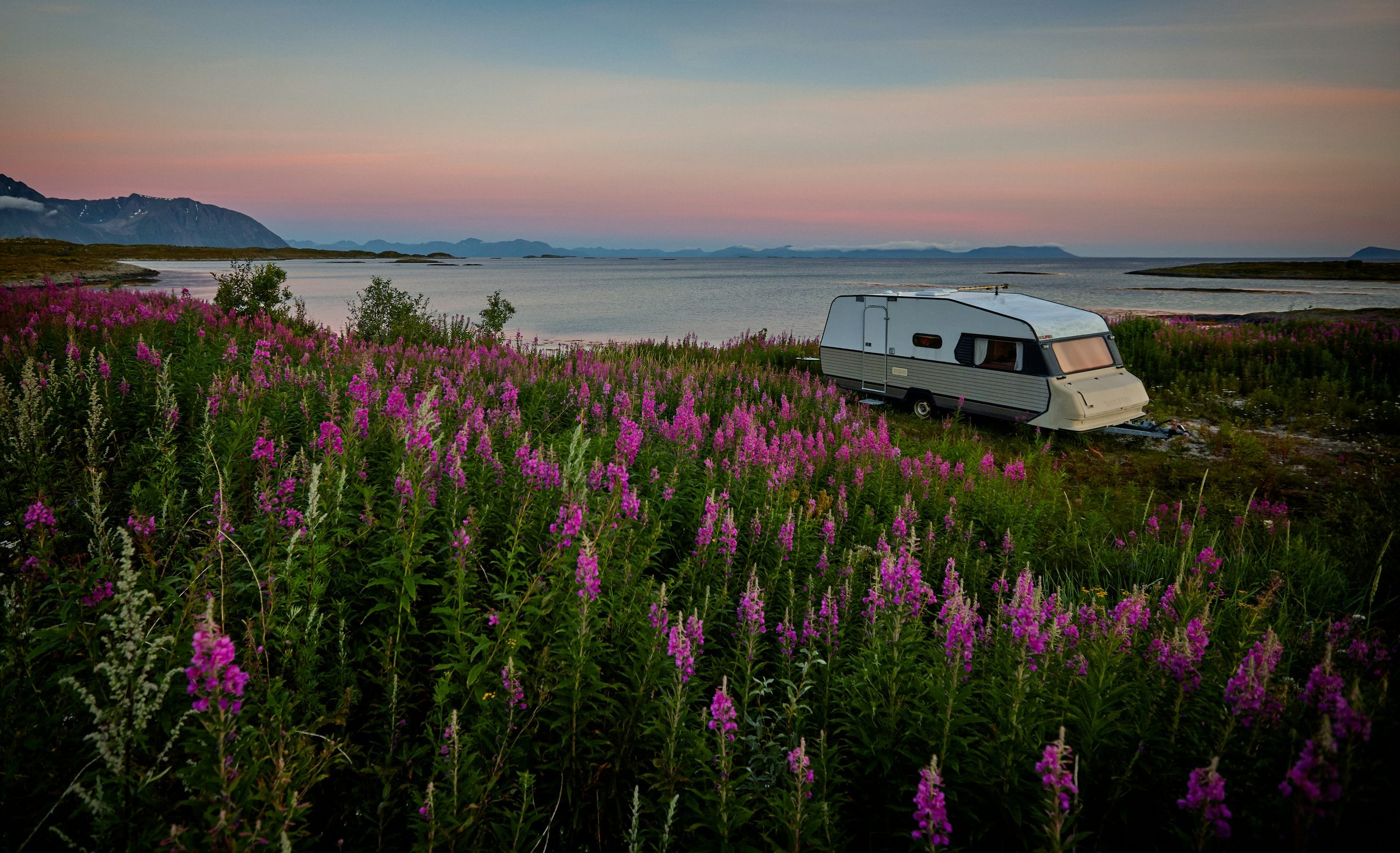
Winter is northern lights season because the sky gets dark. But darkness alone is not enough. You need solar activity, clear skies, and patience. Cloud cover ruins more aurora plans than weak solar activity.
Do not build the whole trip around one northern lights tour on one night. Give yourself several nights in Iceland, preferably outside the brightest city lights at least once. September to March is generally strong, but February and March offer a good mix of darkness and usable daylight. Read the complete northern lights guide for forecast tips and the best viewing locations.
Ice Caves and Glaciers
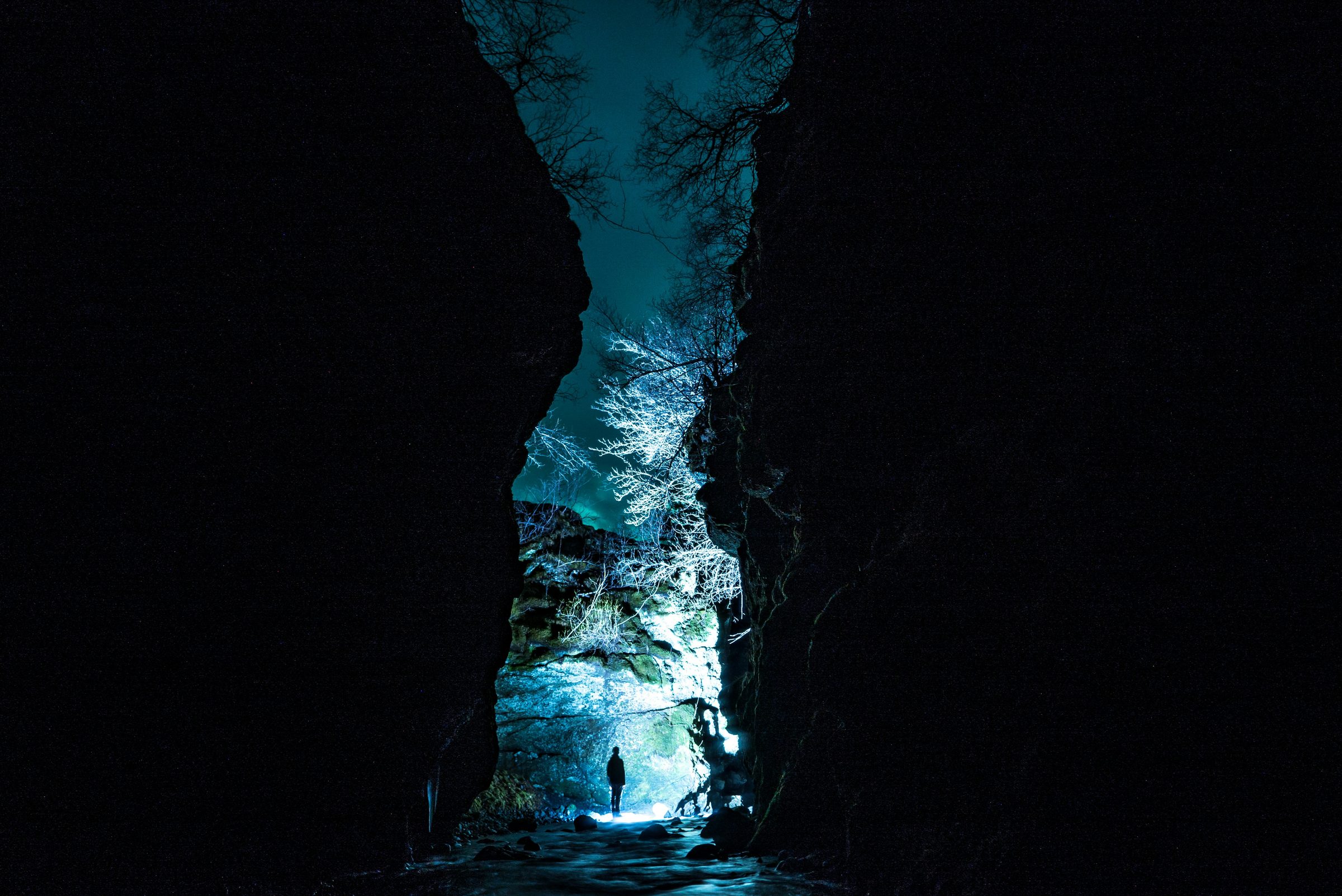
Blue ice caves are one of the best winter-only experiences. They are usually visited with licensed guides near Vatnajökull, often from the Jökulsárlón or Skaftafell area. Never enter an ice cave without a guide. Ice caves change, move, collapse, and require local conditions knowledge.
If an ice cave is a priority, plan at least one night on the South Coast or near the glacier area. Driving from Reykjavík to Jökulsárlón and back in one winter day is too much for most visitors.
Hot Springs and Pools in Winter
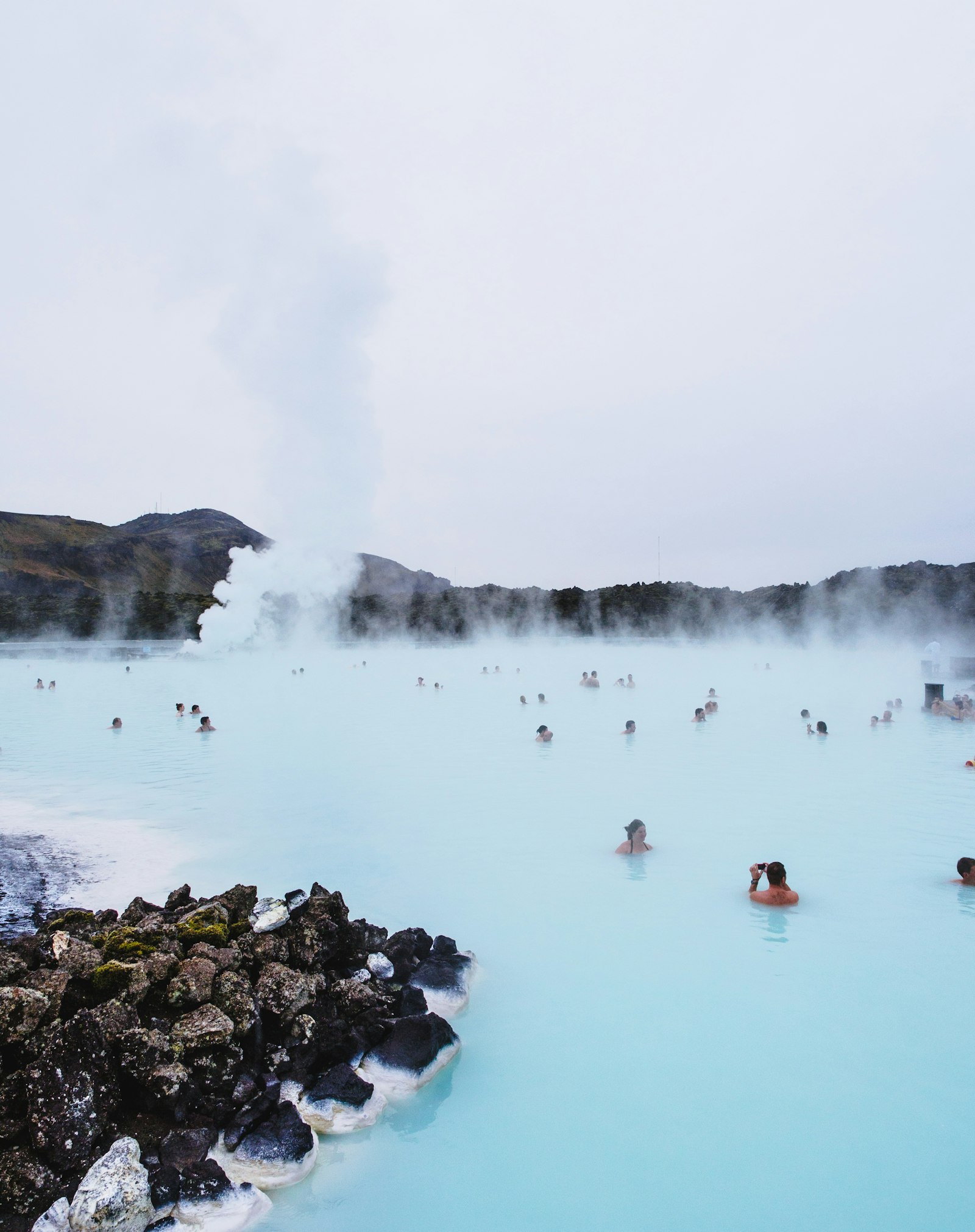
Winter is actually the best season for geothermal bathing. Soaking in a hot pot or outdoor pool while snow falls around you — or while northern lights move above — is one of the experiences that makes Iceland in winter memorable rather than just cold.
The Blue Lagoon and Sky Lagoon both operate year-round and are genuinely atmospheric in winter. But for the most local experience, Icelandic swimming pools are open daily, cheap, and used by locals throughout the coldest months. Many wild hot pots are also accessible in winter — though check road conditions and weather before heading out to remote spots.
The temperature difference between the hot water and the cold air feels most dramatic in winter. Bring a warm layer for walking to and from the water, and do not stay in longer than comfortable — getting cold after is quick.
Road Conditions and Weather Apps
Two apps every winter traveler in Iceland should have before leaving the accommodation:
In winter, roads can close without warning. Road.is shows current status. A closed road marked F or red means do not drive — not drive carefully. Rental car insurance does not cover accidents on closed roads.
Best Winter Routes
Short trip, 3–4 days: Reykjavík, Sky Lagoon or local pools, Golden Circle, and one South Coast day to Seljalandsfoss, Skógafoss, and Vík.
Medium trip, 5–7 days: Reykjavík, Golden Circle, South Coast overnight, Vík, Jökulsárlón or Skaftafell if weather allows, with buffer time.
Longer trip, 8–12 days: A careful Ring Road may be possible, but build in extra days and keep the itinerary flexible.
What to Pack for Iceland in Winter
The Bottom Line
Iceland in winter is absolutely worth it if you respect the season. The landscapes are powerful, the light is beautiful, and the experiences are different from summer in ways that matter. But winter is not the time for overpacked itineraries and optimistic driving plans.
Choose fewer bases, check weather constantly, keep daily driving realistic, and give yourself permission to change plans. That is how winter Iceland becomes memorable instead of stressful.