The best time to visit Iceland depends less on "good weather" and more on what kind of Iceland you actually want. Summer gives you long daylight, easier driving, open highland roads, puffins, hiking, and crowded attractions. Winter gives you northern lights, snow, ice caves, fewer people, limited daylight, and harder travel. Shoulder season sits in the middle: less crowded, often cheaper, and usually more flexible than visitors expect.
If you want the simple answer: May, June, and September are the best all-round months for most travelers. They balance daylight, access, weather, crowds, and cost better than peak summer or deep winter. But if you are chasing northern lights, visiting the highlands, or planning a full Ring Road trip, the answer changes.
There is no single perfect month. Iceland is not a beach destination where weather is the whole story. The right month depends on whether your priority is road safety, hiking, northern lights, fewer crowds, photography, budget, or just seeing the famous sights without stress.
Quick Answer: Best Months by Travel Style
Summer in Iceland: June to August
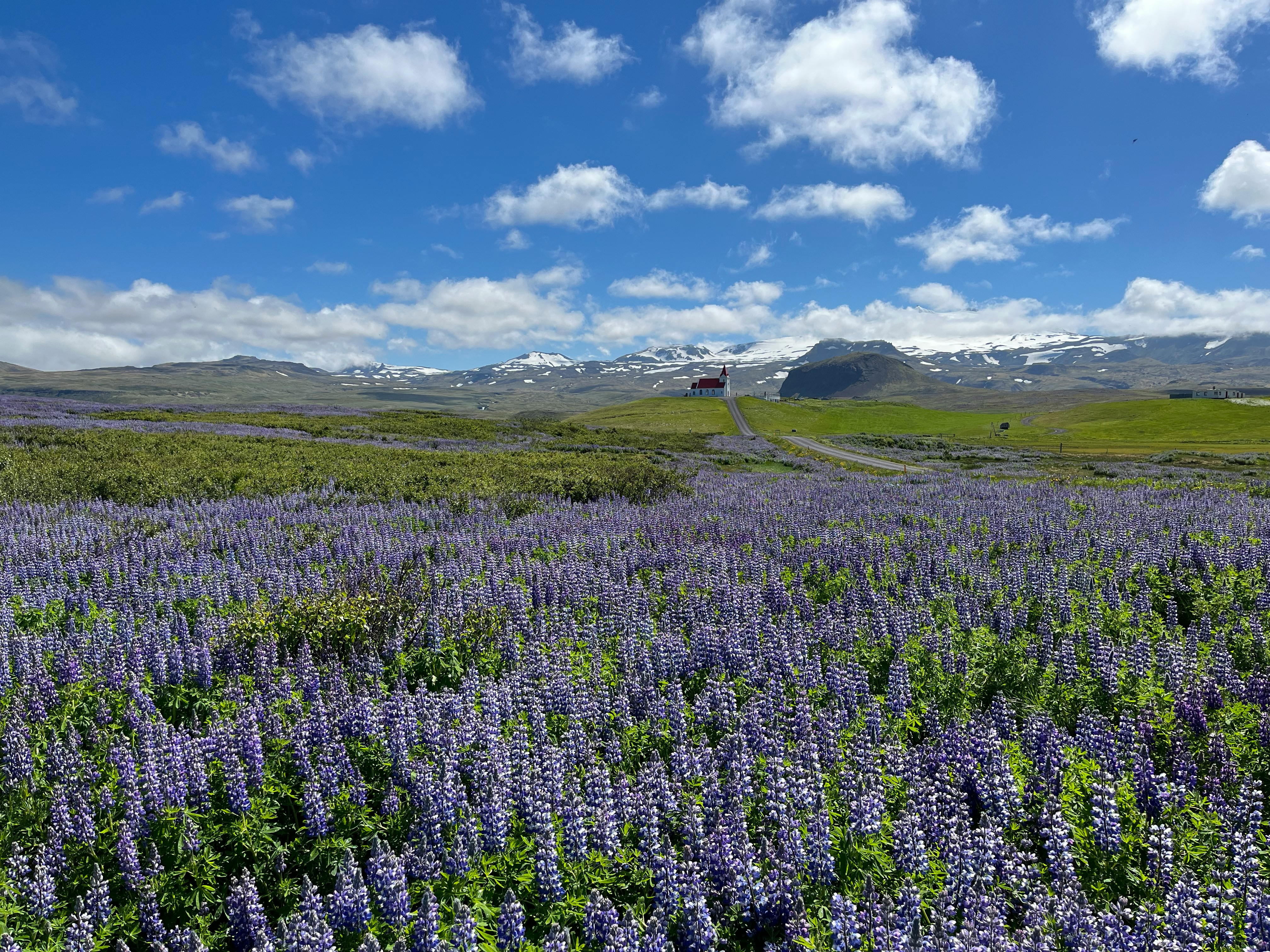
Summer is the easiest season for most visitors. Roads are generally more manageable, days are extremely long, most attractions are accessible, and you can fit a lot into one day. In June and July, daylight is so long that you can visit popular places late in the evening and still have usable light. If you are driving far, pair this guide with the Iceland packing list and the car rental guide.
The downside is obvious: summer is busy. The Golden Circle, South Coast, Blue Lagoon, Sky Lagoon, Reykjavík hotels, and Ring Road stops all see heavy demand. If you are visiting in July or August, book accommodation and car rental early, and expect the famous places to feel shared.
June is one of the best months overall. It has long daylight, fresh green landscapes, nesting birds, and fewer crowds than July. The highlands may not be fully open yet, depending on snow and road conditions, but the main ring road and South Coast are usually strong choices.
July is peak access. If your dream trip includes Landmannalaugar, Þórsmörk, longer hikes, camping, or remote highland roads, July is usually the safest summer bet. It is also peak tourist season.
August still has good access and relatively mild weather, but the days are shortening. By late August, nights are dark enough that early northern lights are possible if conditions line up.
Shoulder Season: April, May, September, October
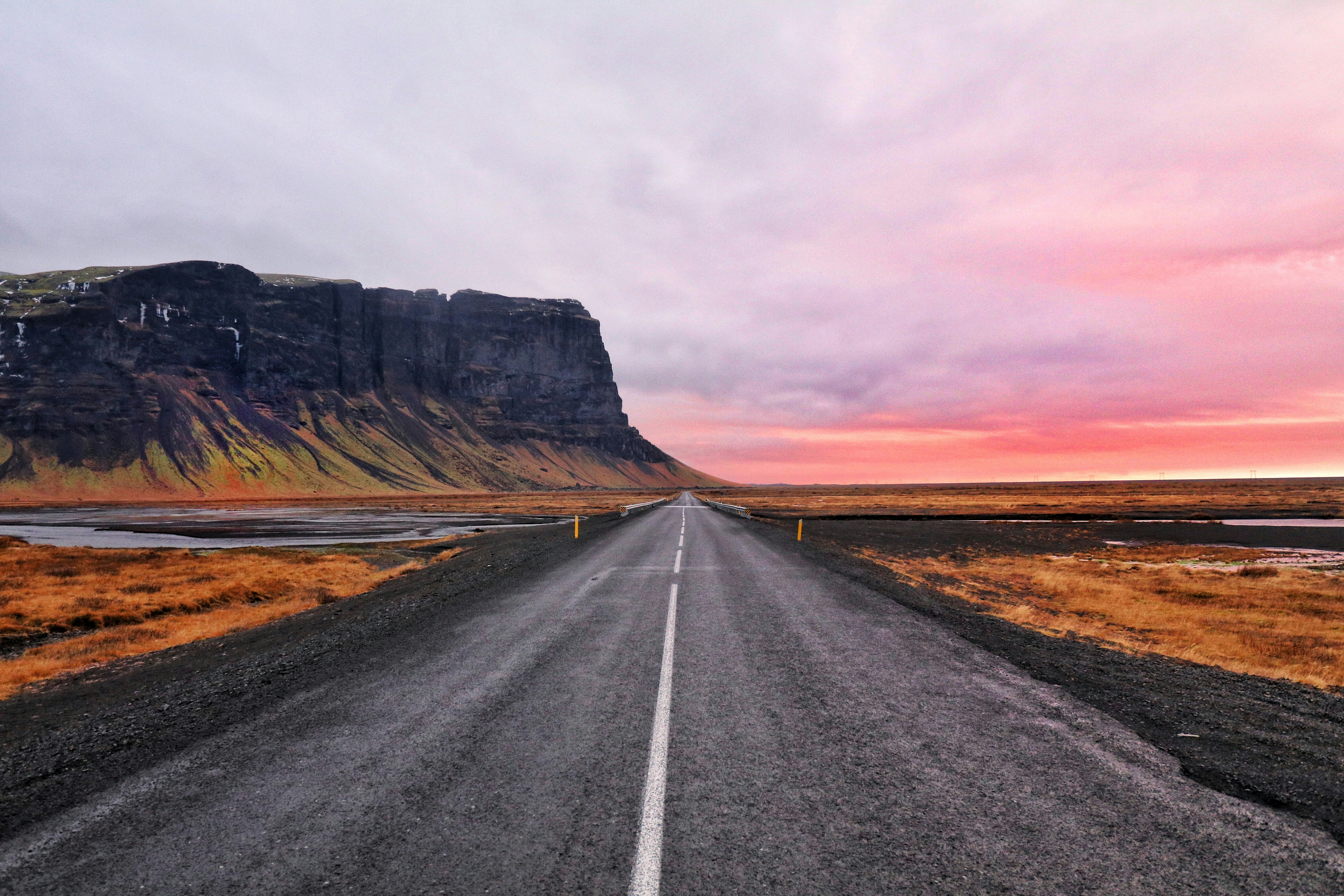
Shoulder season is where Iceland gets interesting. You avoid the most intense crowds, prices can be more forgiving, and the landscape has more mood than high summer. For many travelers, this is the sweet spot.
April is unpredictable. It can feel like late winter or early spring depending on the week. The days are getting longer, tourist traffic is lower, and Reykjavík plus the Golden Circle can work well. For a full Ring Road trip, April is possible but weather can still complicate plans.
May is one of the best months for first-time visitors. Waterfalls are strong from snowmelt, daylight is long, roads are usually easier than in winter, and crowds are not at full summer level. Highlands are generally not open yet, but the classic routes are very good.
September may be the best single month for many travelers. You still have usable daylight, autumn colors begin, crowds drop after peak summer, and northern lights become possible because nights are dark again. It is excellent for road trips if you are flexible about weather.
October is beautiful but more volatile. It can deliver northern lights, moody landscapes, and quieter attractions. It can also bring strong wind, rain, and early winter driving conditions. Good for flexible travelers, less ideal for people who need everything to run exactly on schedule.
Winter in Iceland: November to March
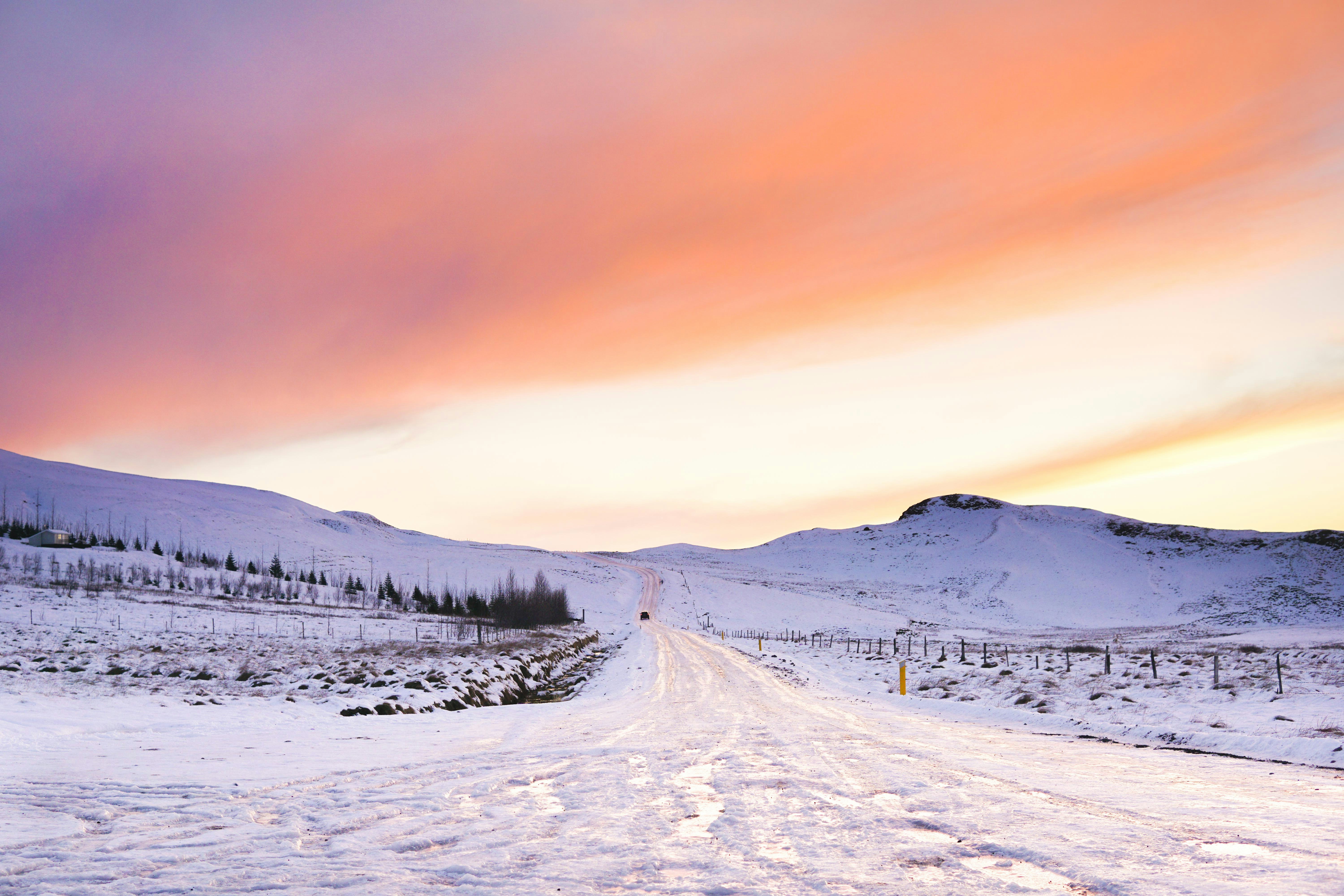
Winter is not "worse" than summer. It is a different trip. The landscape can be extraordinary: snow-covered lava fields, frozen waterfalls, low golden light, dark skies, northern lights, and ice caves. It can also be difficult: limited daylight, road closures, storms, icy roads, and weather that changes your plan.
November is a transition month. You get dark skies and winter atmosphere, but conditions can be wet, windy, and inconsistent. Ice cave tours may begin, depending on operators and conditions.
December has the shortest daylight of the year. This can be magical for Reykjavík, Christmas lights, lagoons, and northern lights, but it is not ideal for aggressive road trip itineraries. You simply do not have much daylight to work with.
January is deep winter. Expect cold, darkness, and serious weather. It can be beautiful, but visitors need realistic plans. This is not the month to pack every corner of Iceland into one trip.
February and March are the strongest winter months for many travelers. You still get winter landscapes and northern lights potential, but the daylight is improving. March especially can be a good balance: winter scenery with more practical travel days.
If you are not comfortable driving on ice, snow, and in high wind, do not plan a self-drive winter trip with long daily distances. Use tours, stay closer to Reykjavík, or choose shoulder season instead.
Best Time for Northern Lights
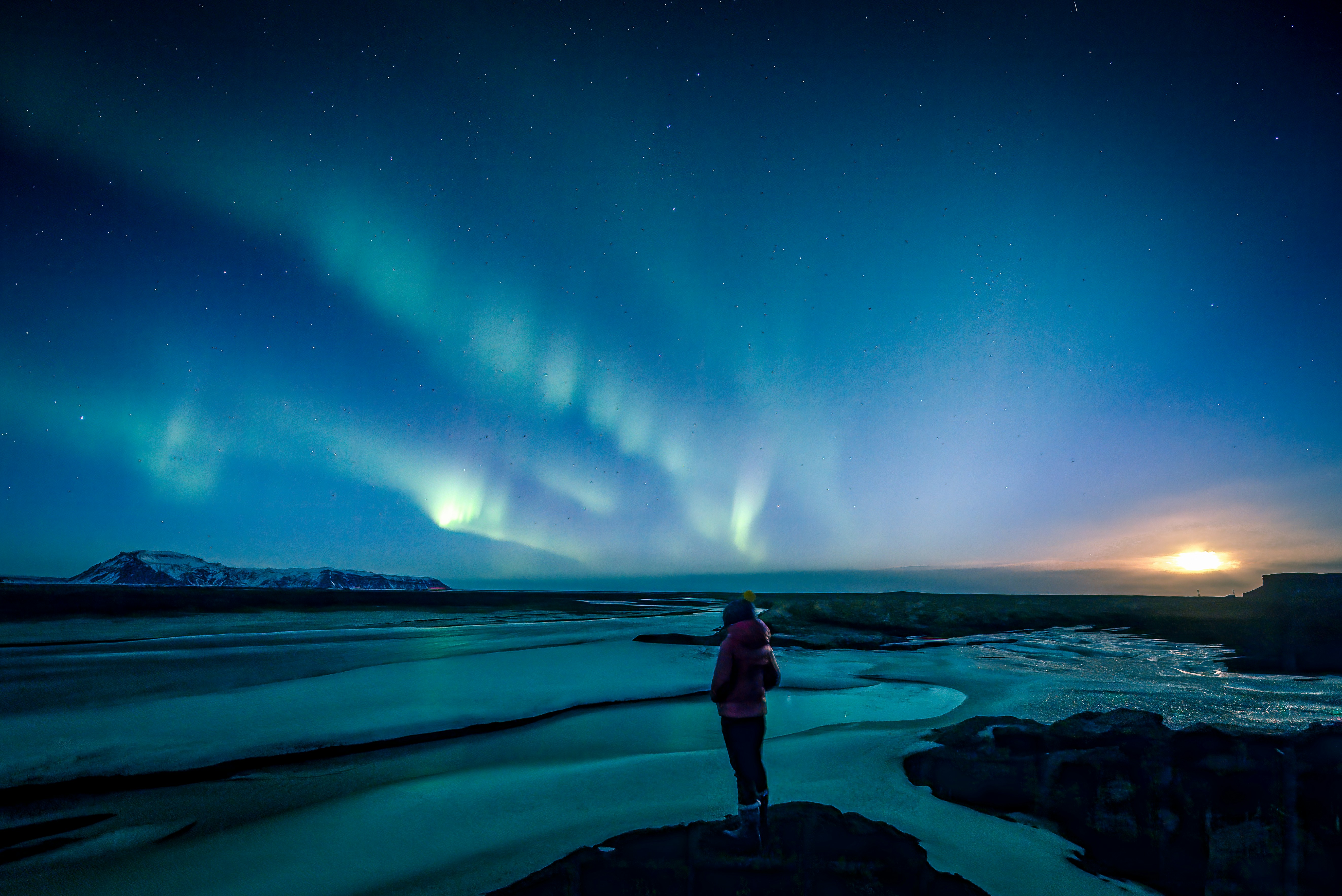
The northern lights require darkness, clear skies, and solar activity. That means the season is roughly September to April. You cannot see them during the bright summer nights because the sky does not get dark enough.
September and March are often excellent because they combine dark skies with more manageable travel conditions than deep winter. December and January have long nights, but cloud cover and storms can make chasing the aurora harder. The aurora is never guaranteed. Anyone who promises certainty is selling confidence, not reality.
Best Time for the Ring Road
For most travelers, the best time to drive the Ring Road is June to September. Roads are easier, daylight is longer, and accommodation options are more predictable. May can work if you are flexible. October can work for experienced drivers who accept weather risk. Winter Ring Road trips are possible, but they should be planned conservatively with buffer days.
If you only have 7–8 days, summer or early September is much safer. In winter, short daylight and weather delays make a fast Ring Road itinerary stressful.
Month-by-Month Summary
The Bottom Line
For a first trip to Iceland, choose May, June, or September if you can. These months give you the best balance of access, daylight, road conditions, crowds, and flexibility.
Choose July or August if you want highland roads, long hikes, camping, or maximum access. Choose February or March if you want winter landscapes, northern lights potential, and more daylight than the darkest months. Choose December only if you understand that the trip becomes more about atmosphere than covering distance.
The best time to visit Iceland is not the month with the warmest weather. It is the month that matches your trip. Decide what matters most, then pick the season that supports it.