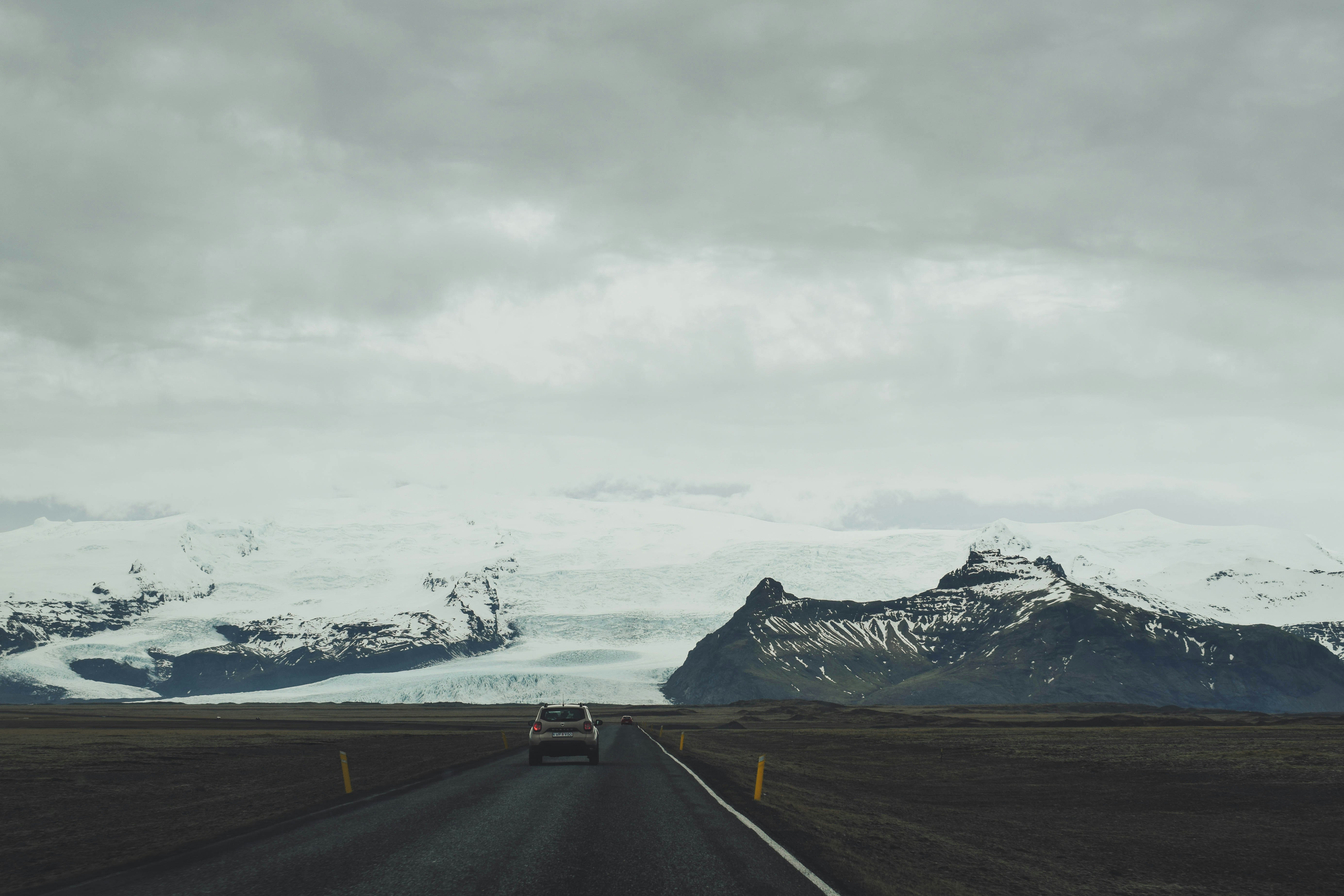
Route 1 — the Ring Road — is the highway that circles the entire island of Iceland. At 1,332 kilometres, it passes through every major region of the country: the volcanic south coast, the dramatic Eastfjords, the remote north, the lava fields of the Snæfellsnes Peninsula, and back through the capital. Driving it is the best way to see Iceland properly, and it is one of the great road trips in the world.
This guide covers everything you need to know — how long to spend, what to see, what car to rent, and the practical details that most guides leave out.
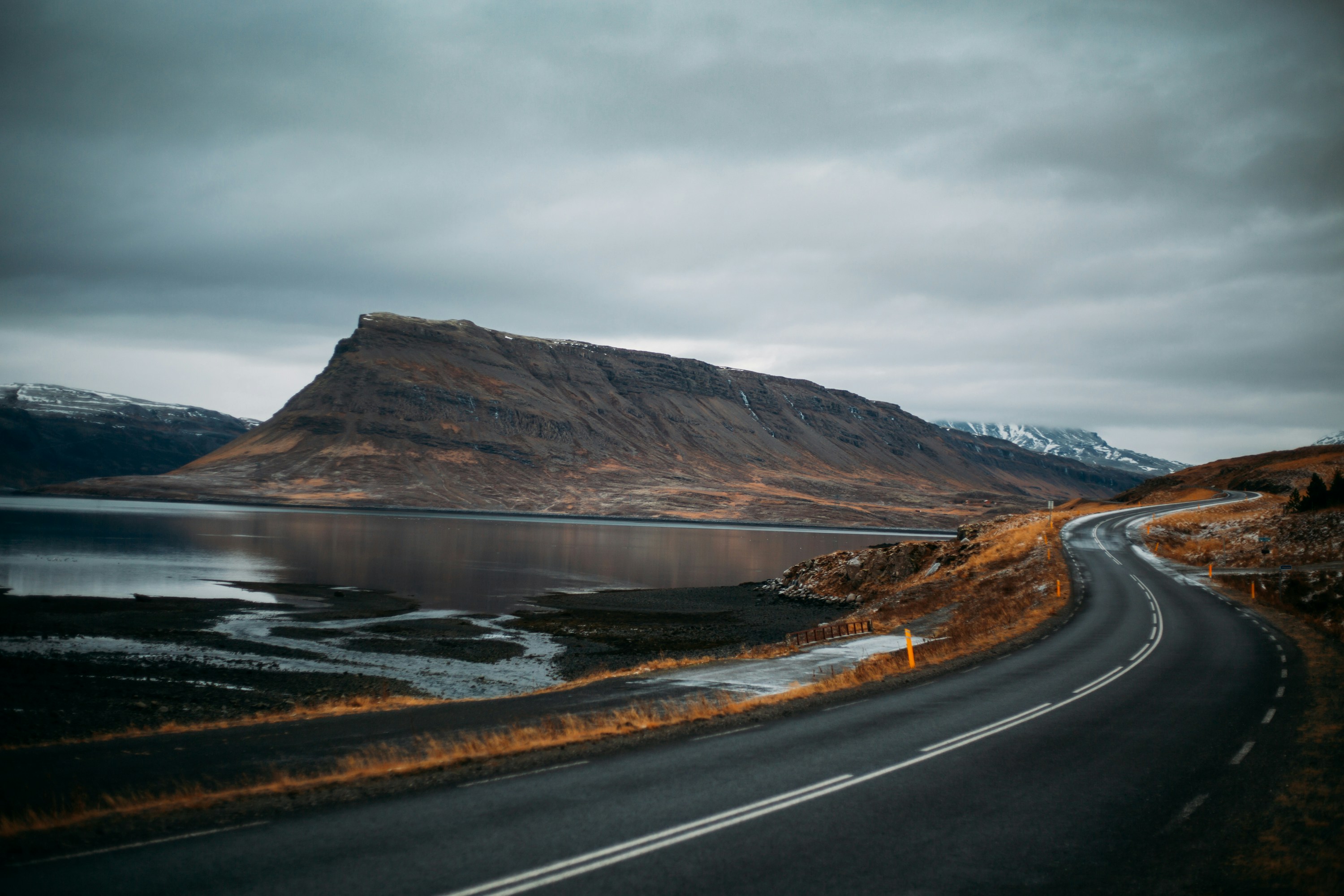
The Ring Road can technically be driven in five days if you push hard. Do not do this. You will spend all your time driving and miss everything that makes it special. Ten days is the minimum for a genuinely enjoyable trip. Fourteen days lets you slow down, take detours, and actually experience the places you stop.
Quick Ring Road Planning Links
Use this page as the main Ring Road hub, then jump to the detailed guides when you need deeper planning.
Best Time to Drive
The Ring Road is open year-round, but the experience varies enormously by season.
Summer (June–August) is the most popular time for good reason — roads are at their most accessible, highland detours are open, and the near-constant daylight gives you enormous flexibility. The downside is that popular spots are crowded and accommodation books up months in advance. For a wider seasonal comparison, see the best time to visit Iceland.
Autumn (September–October) is many people's favourite season. The crowds thin out, the northern lights appear, autumn colours hit Þórsmörk and the highlands, and the weather is still manageable. Some highland roads close in late September.
Winter (November–March) is a completely different adventure. Snow and ice make driving genuinely challenging, some roads close entirely, and daylight is extremely limited. But the northern lights are at their strongest, snow-covered landscapes are extraordinary, and you will have many places almost entirely to yourself. Read the full Iceland in winter guide before committing to a winter Ring Road trip.
A 10-Day Itinerary
This is a suggested clockwise route starting and ending in Reykjavík — the most common direction, as it gets the popular South Coast out of the way early while you are fresh.
What Car to Rent
Before you book, read our complete guide to renting a car in Iceland — it covers direct vs broker booking, the Icelandic-specific insurances (gravel, sand and ash protection), and the F-road rules that can void your insurance instantly.
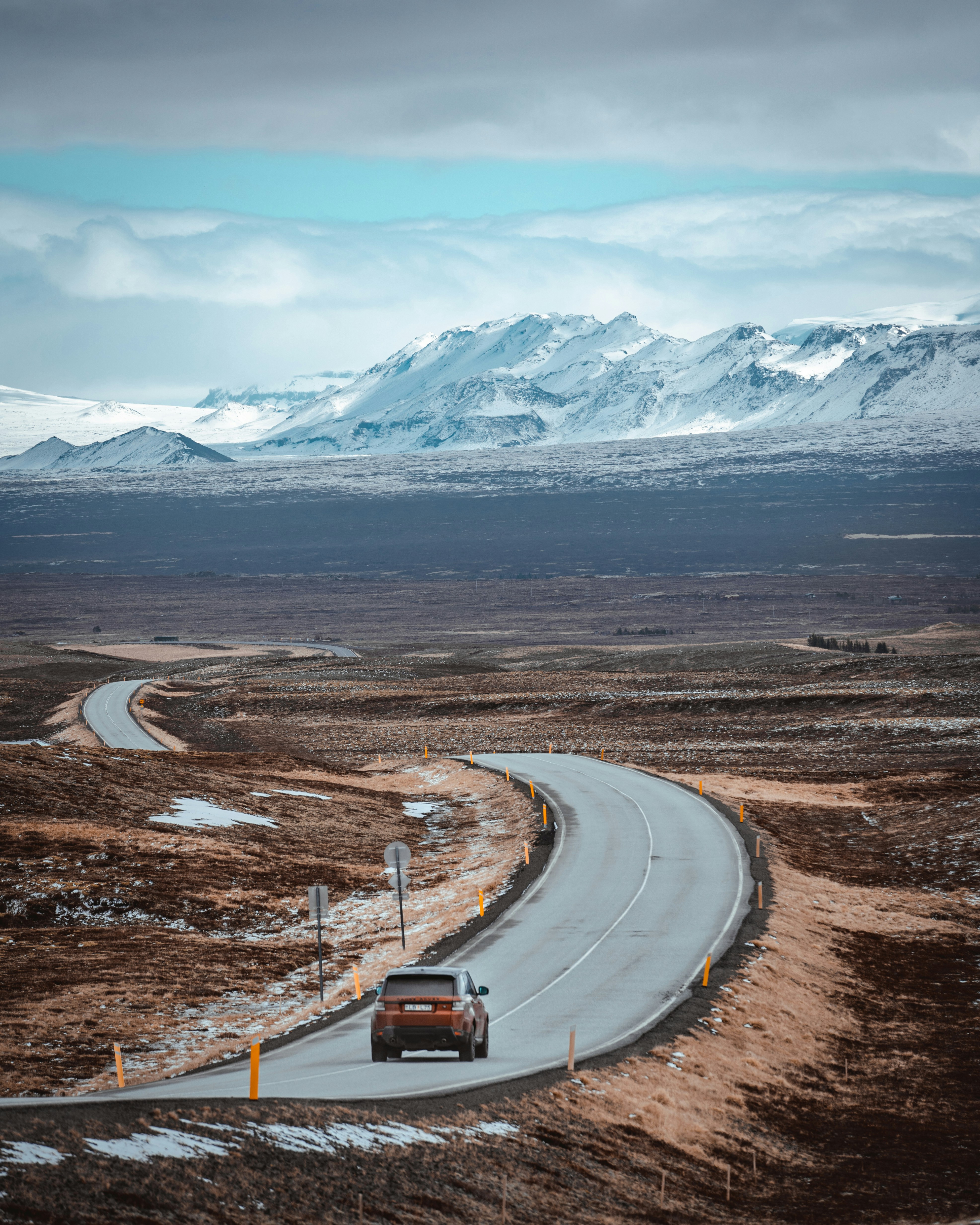
The Ring Road itself is fully paved and can be driven in a standard 2WD car in summer. However, most of the interesting detours — the highland roads, the Westfjords, many of the best waterfalls and beaches — require a 4WD vehicle. If you want flexibility, rent a 4WD.
Practical Tips
Fuel
Never let your fuel tank drop below half. Petrol stations on the Ring Road can be far apart — particularly in the Eastfjords and the north — and running out of fuel on a remote Icelandic road is a genuinely bad situation. Fill up whenever you see a station, even if you do not need to yet. For a wider money plan, see the Iceland budget guide.
Road conditions
Check road.is every morning before you drive. This is the Icelandic Road and Coastal Administration website and it shows live road conditions, closures, and weather warnings across the whole country. In Iceland, road conditions can change within hours — what was passable in the morning may be closed by afternoon in bad weather.
F-roads
Roads beginning with F (F-roads) are highland roads that are only open in summer, typically from late June to September. They require a 4WD vehicle — not because they are steep, but because they often involve river crossings. Driving a 2WD on an F-road voids your rental insurance and can be genuinely dangerous. Check which roads are F-roads before you plan your route.
Accommodation
In summer, accommodation books up months in advance — particularly in popular areas like Vík and Jökulsárlón. Book everything before you leave home if you are travelling in July or August. In shoulder season you have more flexibility, but popular guesthouses still fill up quickly on weekends.
Food and supplies
Do not treat every petrol station as a meal plan. Stock up at Bónus, Krónan or larger town supermarkets whenever you pass one, especially before the Eastfjords and remote northern stretches. The Icelandic food guide covers supermarket staples, local dishes and the meals worth paying restaurant prices for.
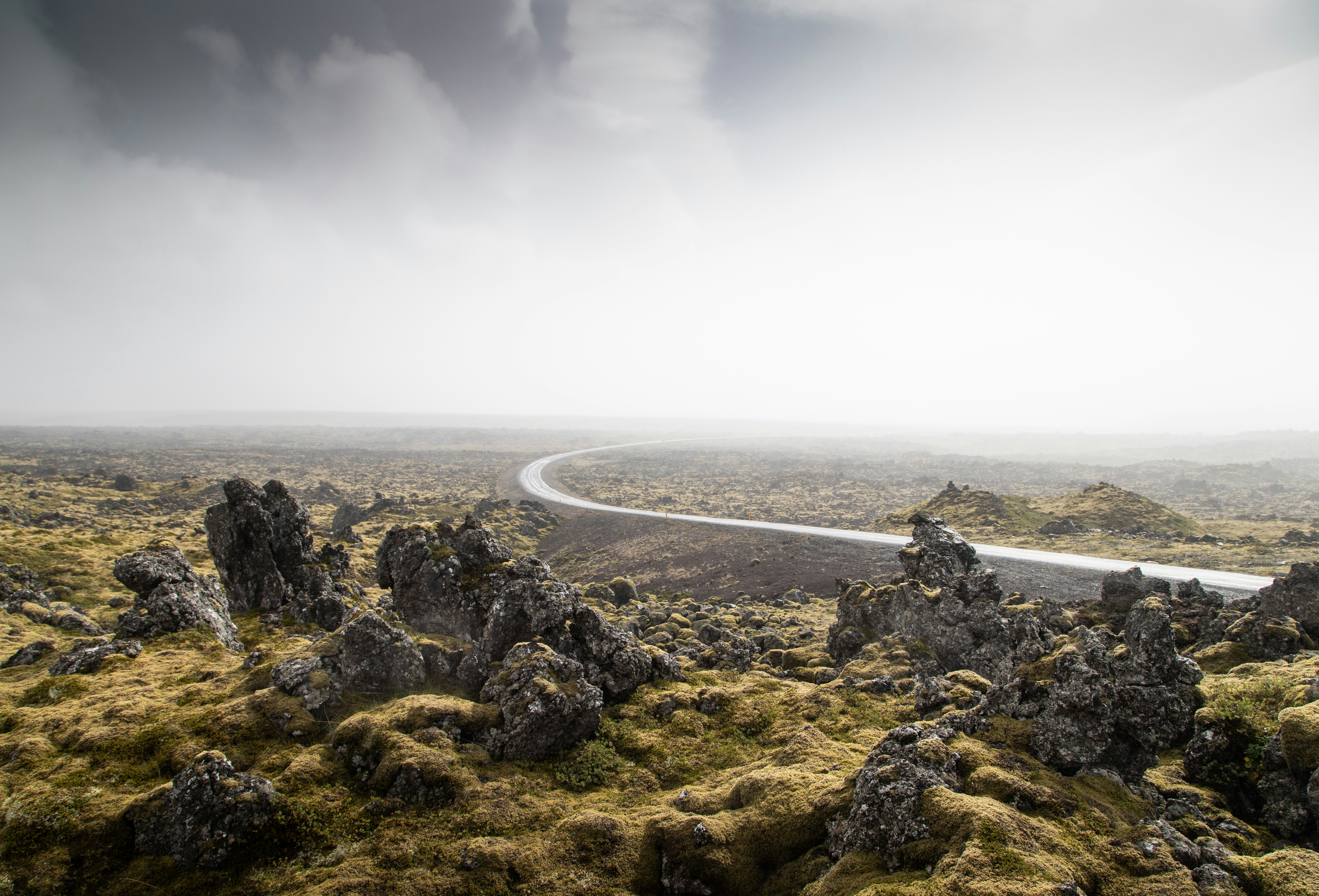
Iceland's weather is famously unpredictable. Sudden storms, high winds, and poor visibility can make driving genuinely dangerous. If the forecast looks bad, adjust your plans. The Ring Road will still be there tomorrow. No waterfall or glacier is worth driving into a storm for.
Not driving the whole loop?
Plenty of visitors don't have the time or appetite for ten days behind the wheel — and that's fine. Day tours from Reykjavík cover most of the highlights of the south and west in 8–12 hours, and you can fit several different ones into a week without ever moving hotels. See top-rated day tours from Reykjavík →
Ring Road FAQ
How many days do you need for Iceland's Ring Road?
Ten days is a good minimum for an enjoyable Ring Road trip. Seven days is possible but rushed, while 12 to 14 days gives better time for detours, weather delays and slower travel.
Can you drive the Ring Road in a 2WD car?
Yes in summer, because Route 1 is paved. A 4WD gives more flexibility for gravel detours and difficult weather, but the Ring Road itself does not require an F-road vehicle in normal summer conditions.
What is the best month to drive the Ring Road?
June to September is best for most visitors because roads are easier, daylight is long and accommodation is more predictable. Winter Ring Road trips require conservative planning and comfort with snow, ice and short daylight.
Do you need to book accommodation ahead on the Ring Road?
Yes in summer, especially around Vík, Jökulsárlón, Mývatn and popular towns. Booking ahead is one of the best ways to avoid expensive last-minute options or impossible driving days.
The Bottom Line
The Ring Road works best when you treat it as a slow driving route, not a checklist. Give it time, resist the urge to rush, and be willing to stop whenever something catches your eye. The best moments are often unplanned: a waterfall you spotted from the road, a harbour town you stopped in for coffee, a clear night sky far from any town. Drive slowly, keep the tank full, and leave room for Iceland to interrupt the plan.