Icelandic food often surprises visitors. It is hearty, simple, and deeply tied to the land and sea. For centuries, Icelanders survived on what they could fish, farm, and preserve through long winters — and that spirit still shows up on plates today. Whether you are dining at a Reykjavík restaurant or grabbing a hot dog at a gas station, here is everything you need to know.
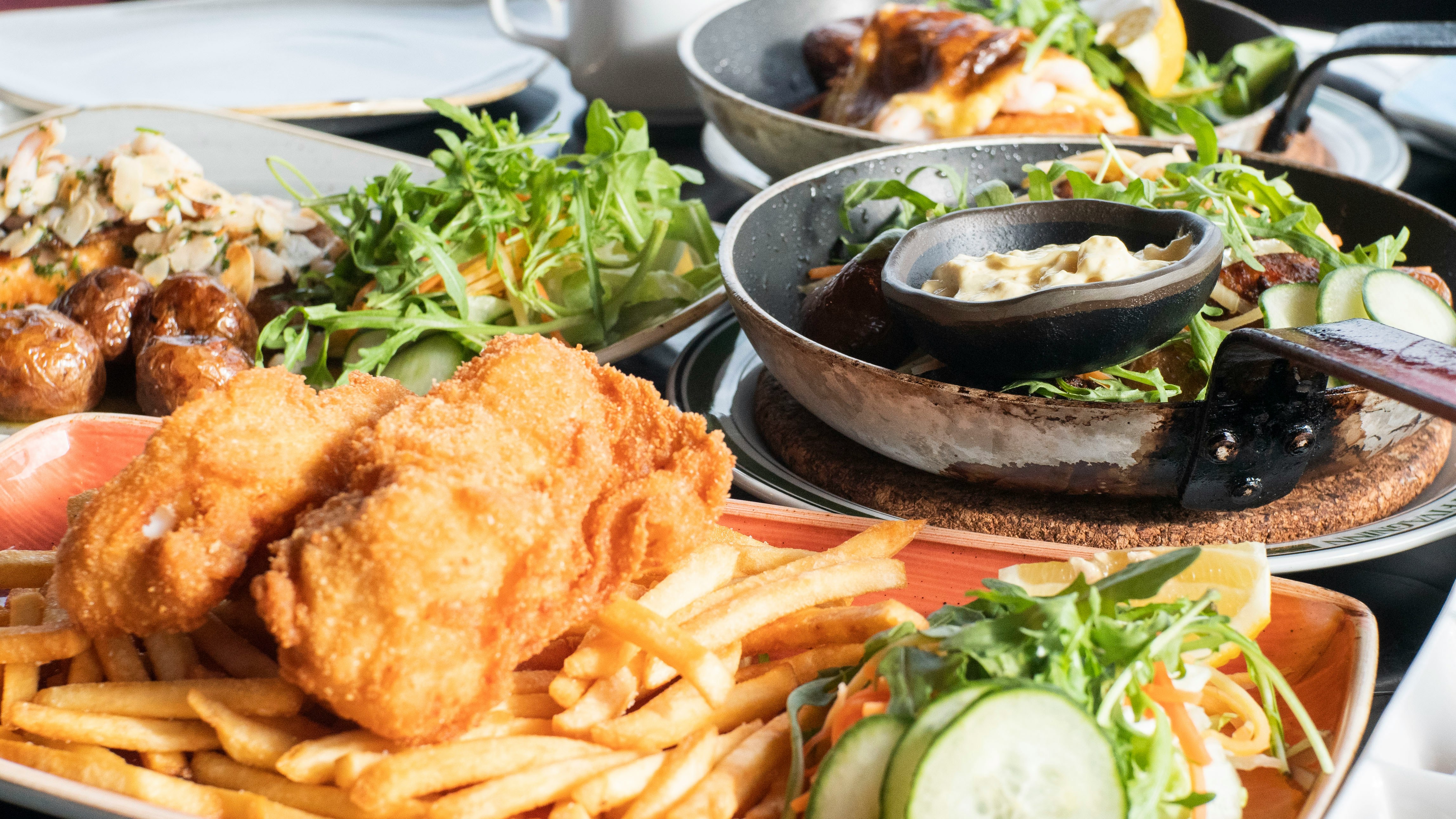
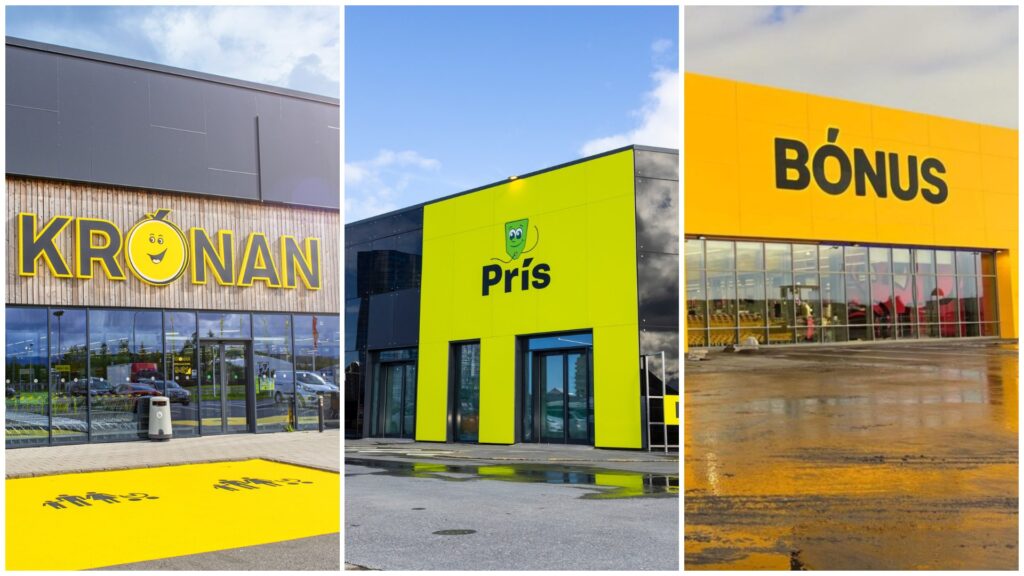
Iceland is one of the most expensive countries in Europe for food. Eating out for every meal adds up fast — a sit-down dinner in Reykjavík can easily set you back the equivalent of a night's accommodation. Budget travellers should hit supermarkets (Bónus, Krónan and Prís) for breakfast and lunch and save restaurants for the occasional treat.
Quick Food Planning Links
Use this guide as the food hub, then jump deeper depending on what you are planning.
Must-Try Icelandic Foods
These are the dishes you absolutely should try at least once during your visit.
Icelandic Food Customs
Understanding how Icelanders eat will help you fit in and avoid surprises.
Meal times
Icelanders eat lunch early — usually between 11:30 and 13:00. Dinner is typically between 18:00 and 20:00. Many restaurants open for lunch at 11:30 and close between 14:00 and 17:00 before reopening for dinner. If you show up at 15:00 wanting lunch, you may find the kitchen closed.
Tap water is exceptional
Do not buy bottled water in Iceland. The tap water comes straight from glaciers and is among the purest in the world. Asking for tap water at restaurants is completely normal and free. This is an easy way to save money.
Tipping is not expected
Unlike in North America, tipping is not a cultural expectation in Iceland. Service charges are included in the price. You can leave a tip if you had exceptional service, but no one will think less of you if you do not.
Supermarkets are your best friend
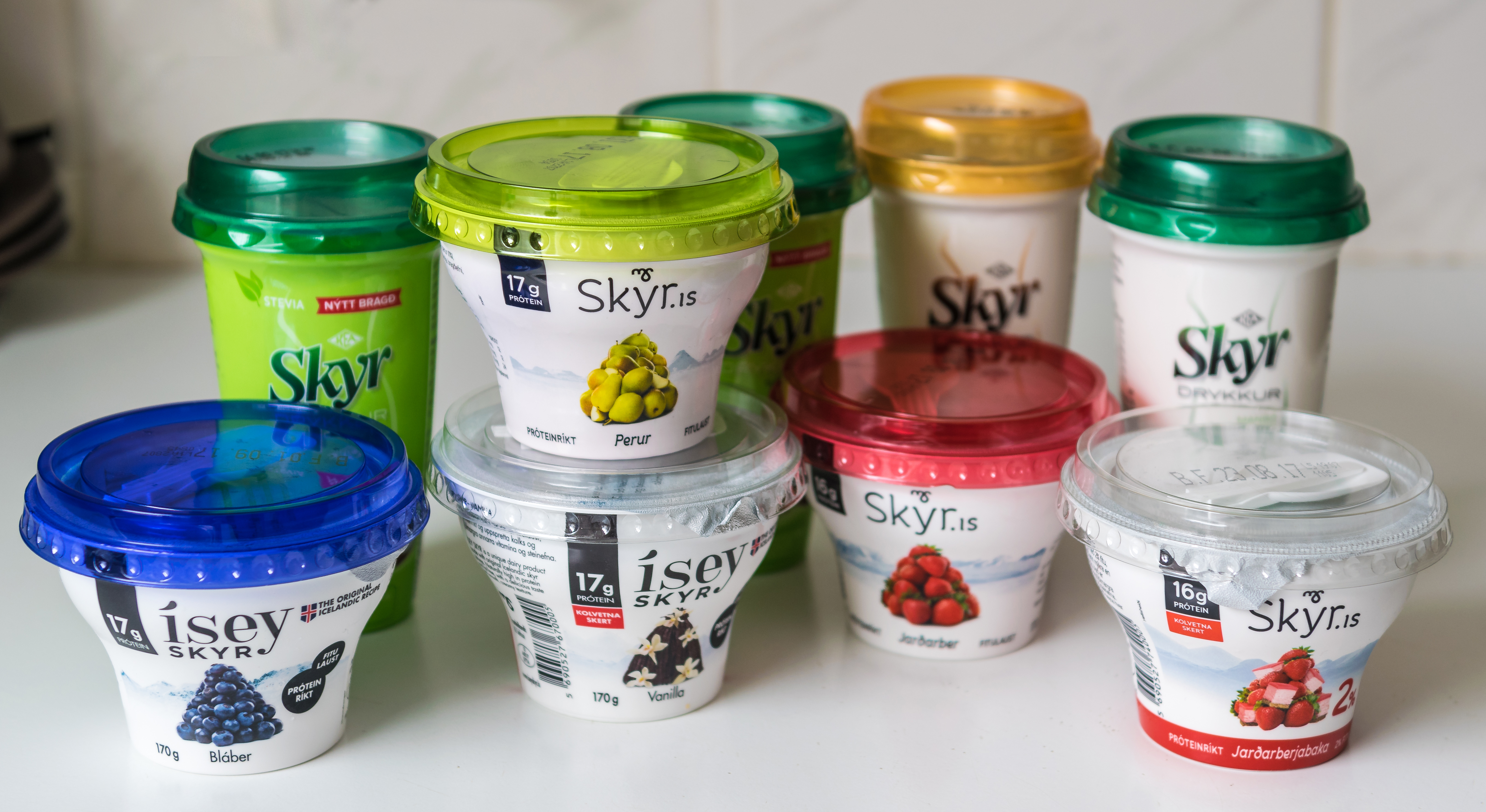
Eating out every meal will drain your budget quickly. Icelanders themselves shop at supermarkets regularly. The main chains are Bónus, Krónan, Nettó and Prís. Bónus is usually the budget instinct, but prices move around, and Icelandic news regularly covers sharp grocery price changes — see this DV report on early-2026 grocery price increases. You will find excellent bread, skyr, dairy, smoked fish, and ready meals at a fraction of restaurant prices.
| Supermarket item | Budget range | Notes |
|---|---|---|
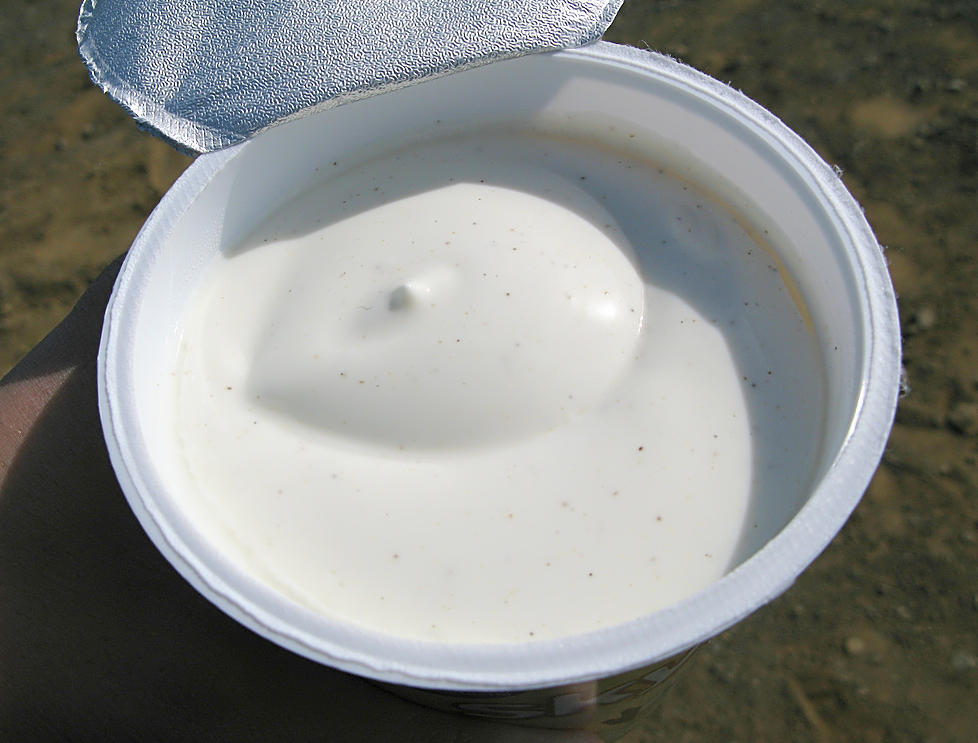
| Skyr (large tub) | Budget-friendly | Much cheaper than café version |
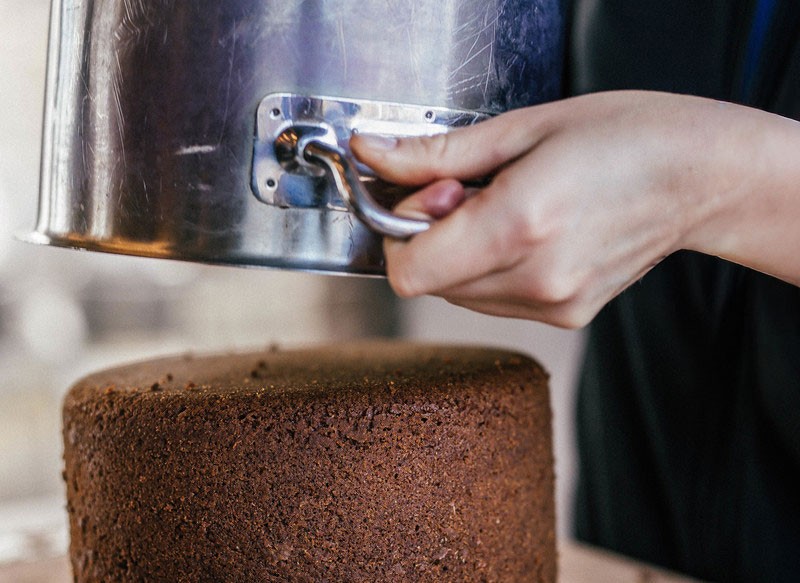
| Rúgbrauð (rye bread loaf) | Budget-friendly | One of the best value buys in Iceland |
| Smoked lamb (skinka) | Mid-range | Excellent quality, great for picnics |
| Smoked salmon | Mid-range | Far cheaper than restaurant version |
| Icelandic butter | Budget-friendly | Noticeably better than imported butter |
| Ready meal / sandwich | Mid-range | Good option on the road |
Bónus is often the first place budget travellers look, but the real trick is to shop like you are building road-trip meals: skyr, bread, cheese, sliced lamb or smoked fish, fruit, snacks and coffee. Eating this way for breakfast and lunch means you can afford to splash out on one proper restaurant meal in the evening without destroying your budget.
How Much Does Food Cost in Iceland?
| Item | Budget tier | Notes |
|---|---|---|
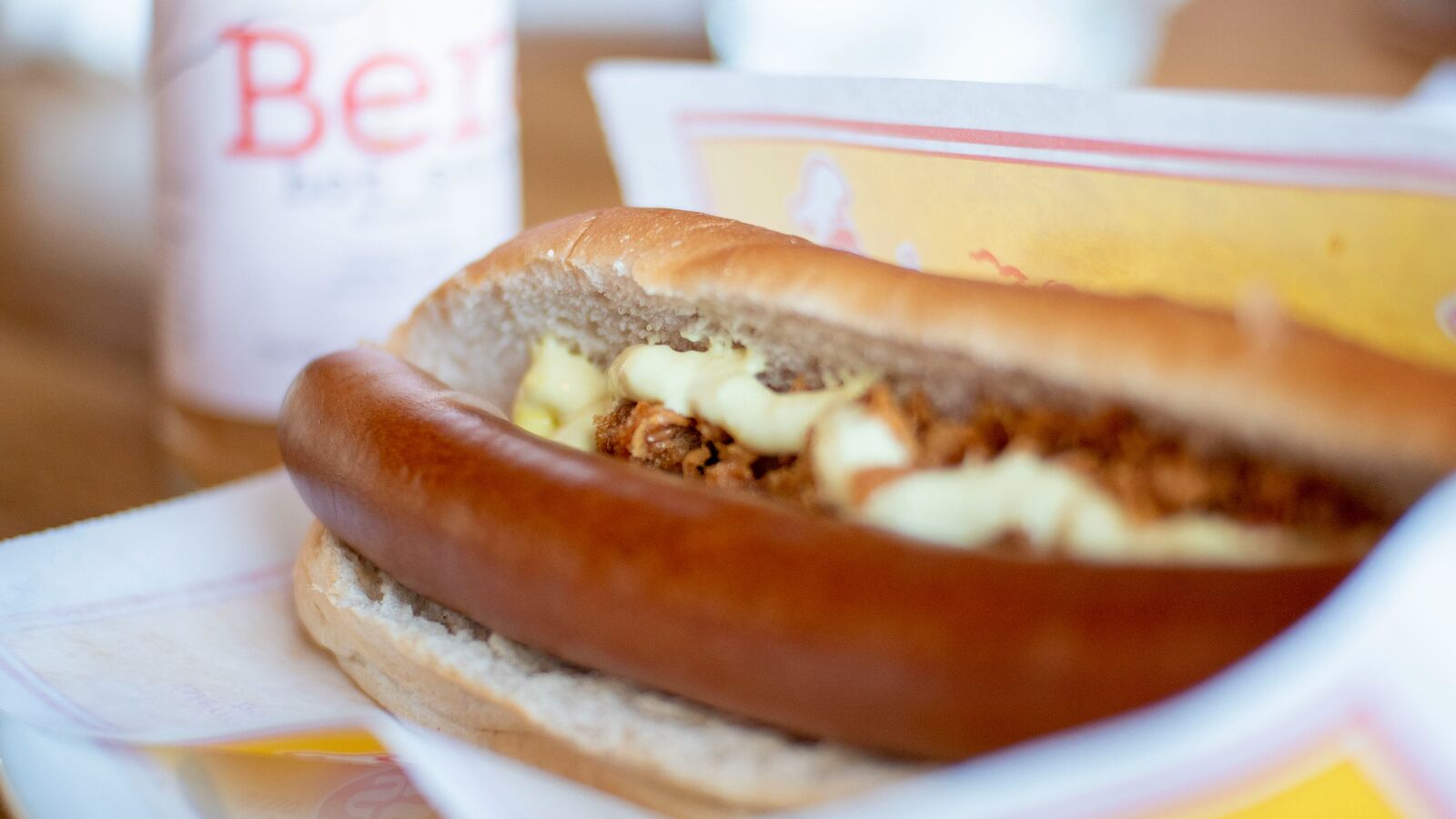
| Hot dog at Bæjarins Beztu | Budget | One of the cheapest meals in Reykjavík |
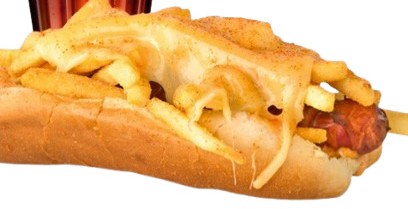
| Djúpsteikt pylsa + Coke | Budget | The unofficial national meal — great value |
| Coffee at a café | Mid-range | Expensive compared to most of Europe |
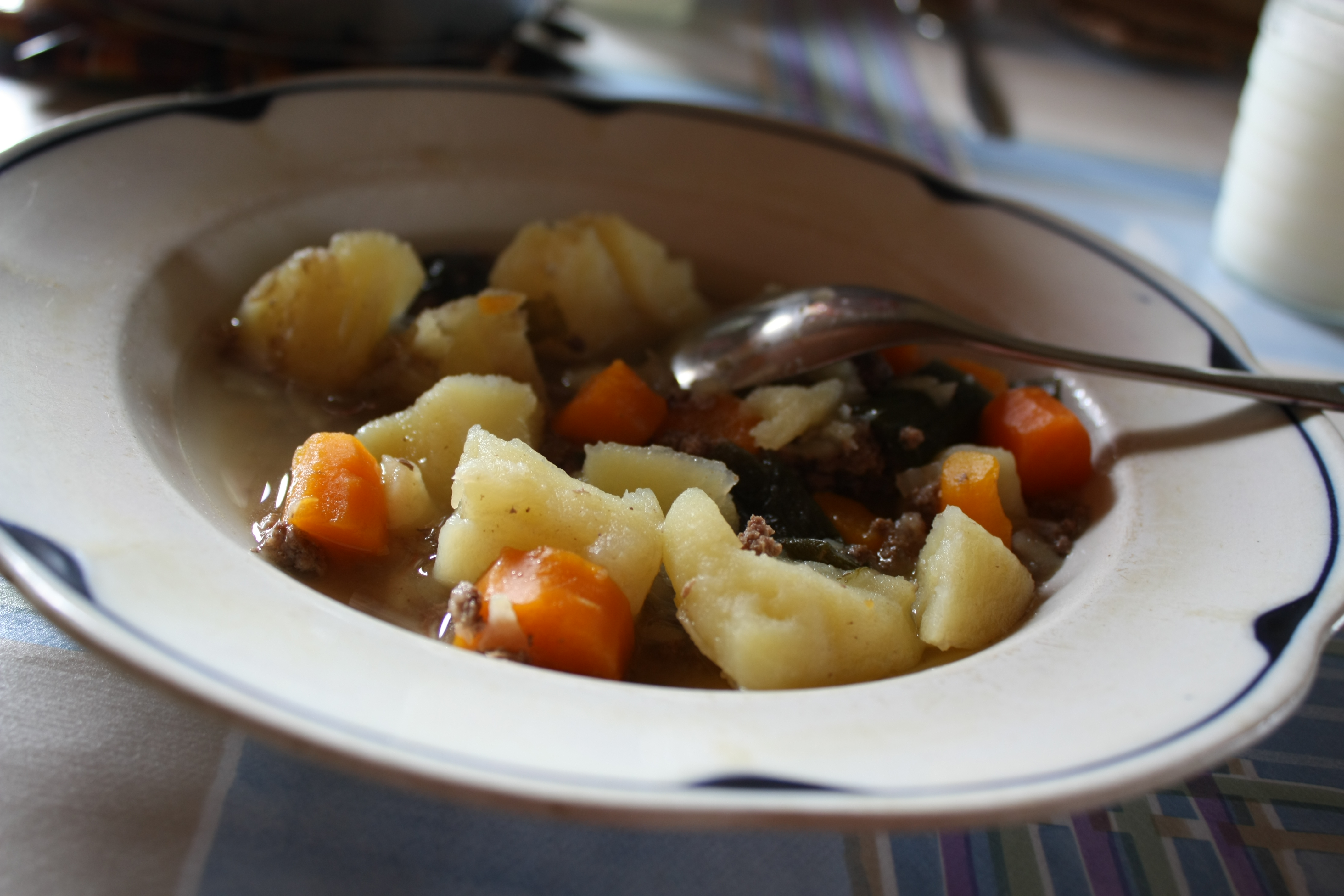
| Kjötsúpa (lamb soup) | Mid-range | Worth every króna on a cold day |
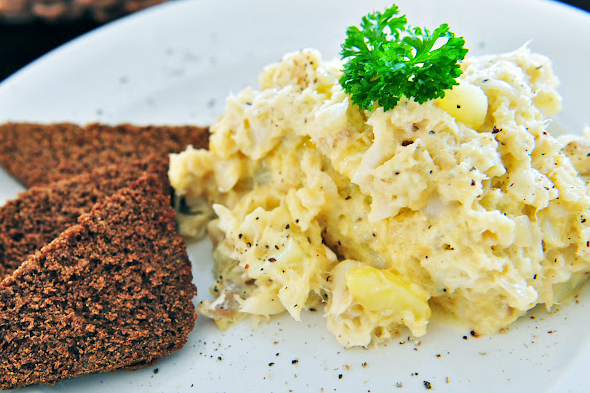
| Plokkfiskur (fish stew) | Mid-range | Great lunch option at traditional restaurants |
| Lunch at a casual restaurant | Mid-range | Often better value than dinner menus |
| Dinner at a mid-range restaurant | Splurge | Save this for one or two special evenings |
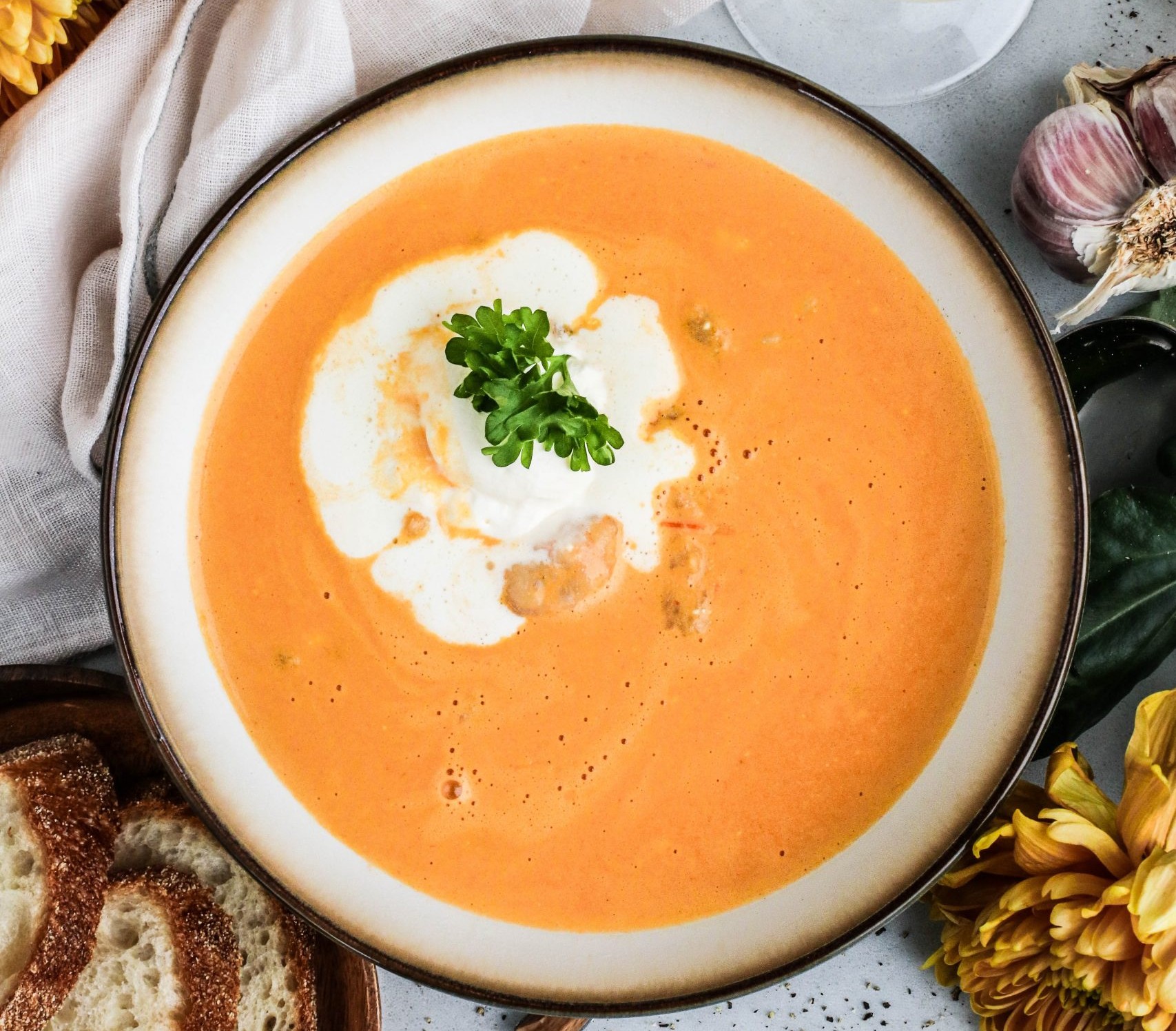
| Humarsúpa (langoustine soup) | Splurge | A once-per-trip treat — do it in Höfn |
| Beer at a bar | Splurge | Pre-drink at home like the locals do |
What to Avoid (or Approach Carefully)
Hákarl (fermented shark) and svið (boiled sheep's head) are traditional foods that many tourists try as a challenge. They are very much an acquired taste. Hákarl smells strongly of ammonia. You have been warned — but also, you only live once.
Beyond the novelty foods, the main thing to avoid is overpaying at tourist-trap restaurants in downtown Reykjavík. Places right on Laugavegur (the main shopping street) often charge premium prices for average food. Walk one street over and you will often find better quality for less money.
If most of your eating will happen downtown, pair this guide with the 101 Reykjavík food, bars and nightlife guide. It is more useful for choosing specific restaurants and coffee stops in the city centre.
Drinks in Iceland
Alcohol is only sold at the government-run Vínbúðin liquor stores — not in regular supermarkets. Beer and wine at bars and restaurants is eye-wateringly expensive by most European standards. The local beer to try is Gull or Víking. Icelanders themselves often buy from Vínbúðin before a night out — this is completely normal and will save you a fortune. Brennivín, nicknamed "Black Death," is the traditional Icelandic schnapps made from fermented grain and flavoured with caraway seeds. Worth a shot — literally.
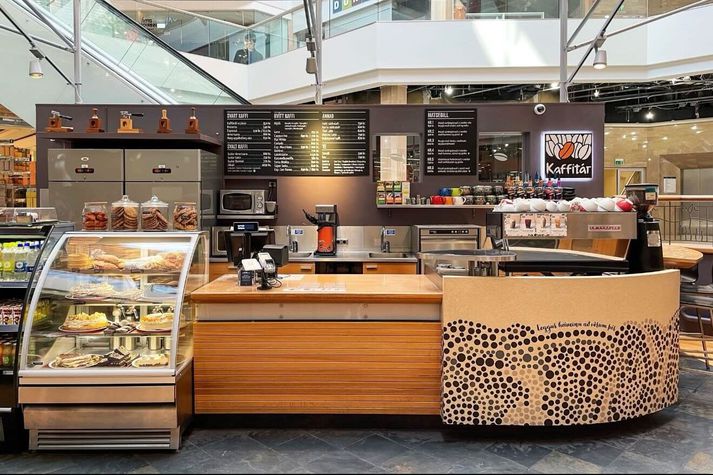
Coffee culture is strong in Iceland. Reykjavík has a thriving café scene with excellent specialty coffee, though prices are noticeably higher than in mainland Europe. One upside: many cafés offer free refills, which is not common elsewhere.
If you want a guided tasting
If you'd rather try a handful of these dishes on a single guided outing — pylsur, fish soup, lamb, rye bread — Reykjavík has a few small-group food walks led by locals that cover the highlights in 2–3 hours. See guided food walks in Reykjavík →
Icelandic Food FAQ
What food should you try in Iceland?
Start with lamb soup, skyr, plokkfiskur, Icelandic rye bread, fresh fish, langoustine soup and an Icelandic hot dog ordered with everything. That gives you a good mix of everyday food, classic comfort food and one proper splurge.
Is food expensive in Iceland?
Yes. Restaurant meals, alcohol and coffee are expensive by most visitor standards. Supermarkets, bakeries, hot dogs, lunch menus and picnic meals are the easiest ways to control food costs. For a broader money plan, read the Iceland budget guide.
Do you need to tip in Icelandic restaurants?
No. Tipping is not expected in Iceland because service is included in the price. You can round up for excellent service, but it is optional rather than required.
Can you drink tap water in Iceland?
Yes. Icelandic tap water is clean, free and normal to ask for in restaurants. Buying bottled water is usually unnecessary.
The Bottom Line
Icelandic food is honest, fresh, and tied to centuries of tradition. The lamb is some of the best in the world — free-range, grass-fed, and full of flavour. The fish is caught hours before it reaches your plate. And the dairy products, particularly skyr and Icelandic butter, are extraordinary. Eat where the locals eat, carry snacks from Bónus, and save your splurge budget for a bowl of langoustine soup somewhere along the Ring Road. You will not regret it.