A local's practical guide to cutting costs in Iceland — where to eat, sleep, drink, and travel without missing what makes the country worth visiting.
Practical budget focus
This guide is built around the costs that actually surprise Iceland visitors: food, fuel, car rental, parking, accommodation, alcohol, paid lagoons and tours. The goal is not to make Iceland cheap, but to stop small decisions from quietly doubling the trip cost.
Iceland is expensive. There is no getting around it. Food costs more than in most of Europe, accommodation is pricey, fuel is heavily taxed, and even a cup of coffee requires a moment of quiet resignation. But people travel Iceland on tight budgets all the time — and they have a great time doing it. The secret is not to avoid spending money, but to spend it strategically. Here is how.
Set realistic expectations
Iceland will never be a cheap destination. If you are comparing it to Southeast Asia or Eastern Europe, you will be constantly disappointed. Compare it instead to Norway or Switzerland — countries with similar cost of living — and Iceland starts to feel reasonable. The key is planning ahead and knowing where the savings actually are.
Quick Budget Planning Links
Use this as the money-saving hub, then jump into the detailed guides when a decision affects your actual trip budget.
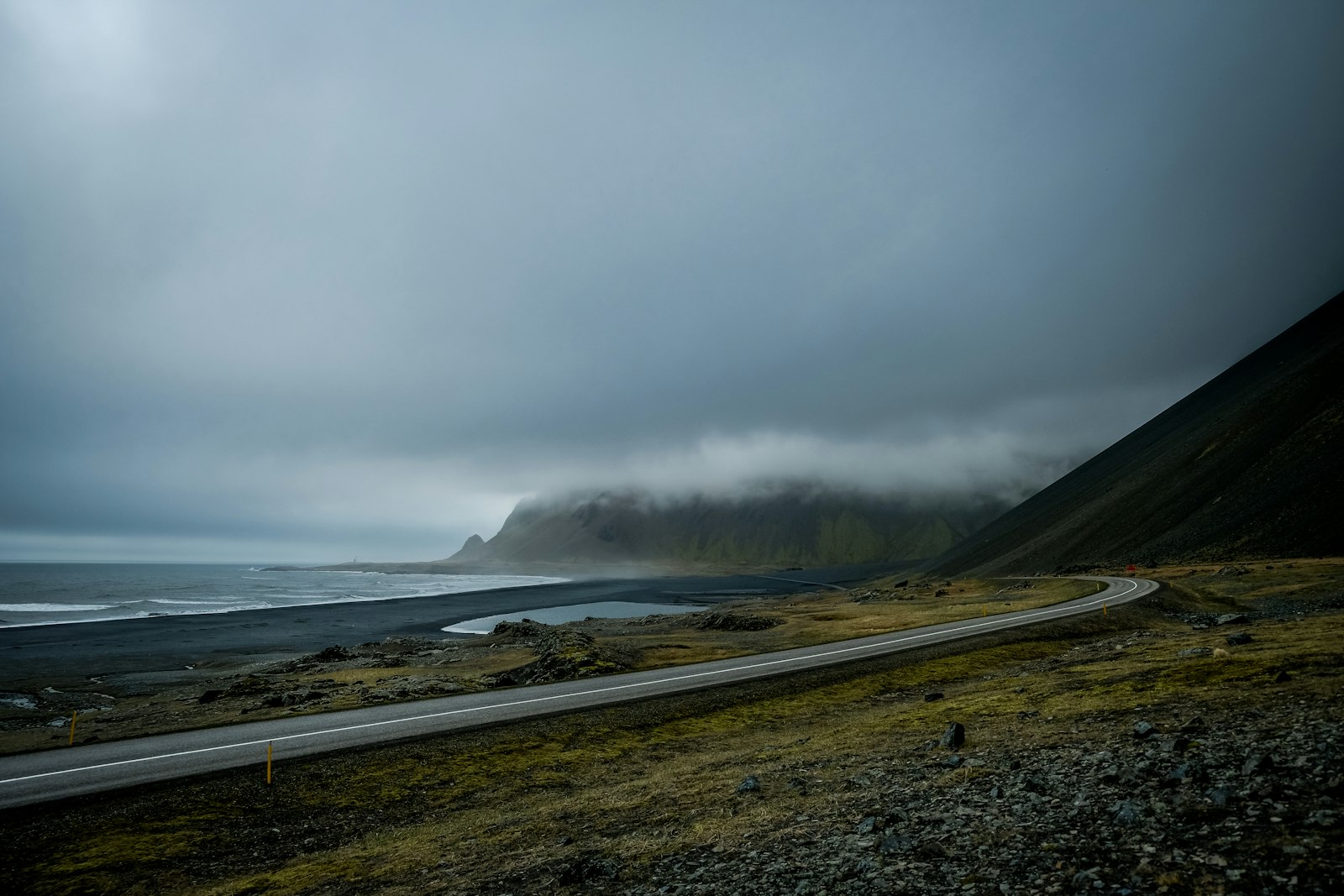
Fuel costs catch many Iceland visitors by surprise — especially on the Ring Road.
Fuel — The Biggest Surprise Cost
If you are renting a car and driving around Iceland — which most visitors do — fuel will be one of your biggest costs. Petrol prices in Iceland are significantly higher than in most of Europe, and if you are driving the Ring Road you will be filling up constantly.
🏪 Fill up at Costco — by far the cheapest fuel in Iceland
If you have access to a Costco membership, filling up at the Costco in Reykjavík (in Garðabær) is the cheapest fuel you will find anywhere in Iceland — often significantly cheaper per litre than regular petrol stations. If you are starting or ending your trip in Reykjavík, this is the first and last stop you should make. Fill the tank completely both times. The savings on a full tank are real and worth the detour.
⭐ Requires a Costco membership — worth it if you already have one
⛽ Never let the tank drop below half
This is not just a safety tip — it is a budget tip. If you run low on fuel in a remote area, you may have no choice but to pay whatever the nearest station charges, which in tourist areas can be notably higher. Fill up at every opportunity when you are near a town or supermarket, and you will always have options.
⭐ N1 and Orkan stations are generally the most common and competitively priced
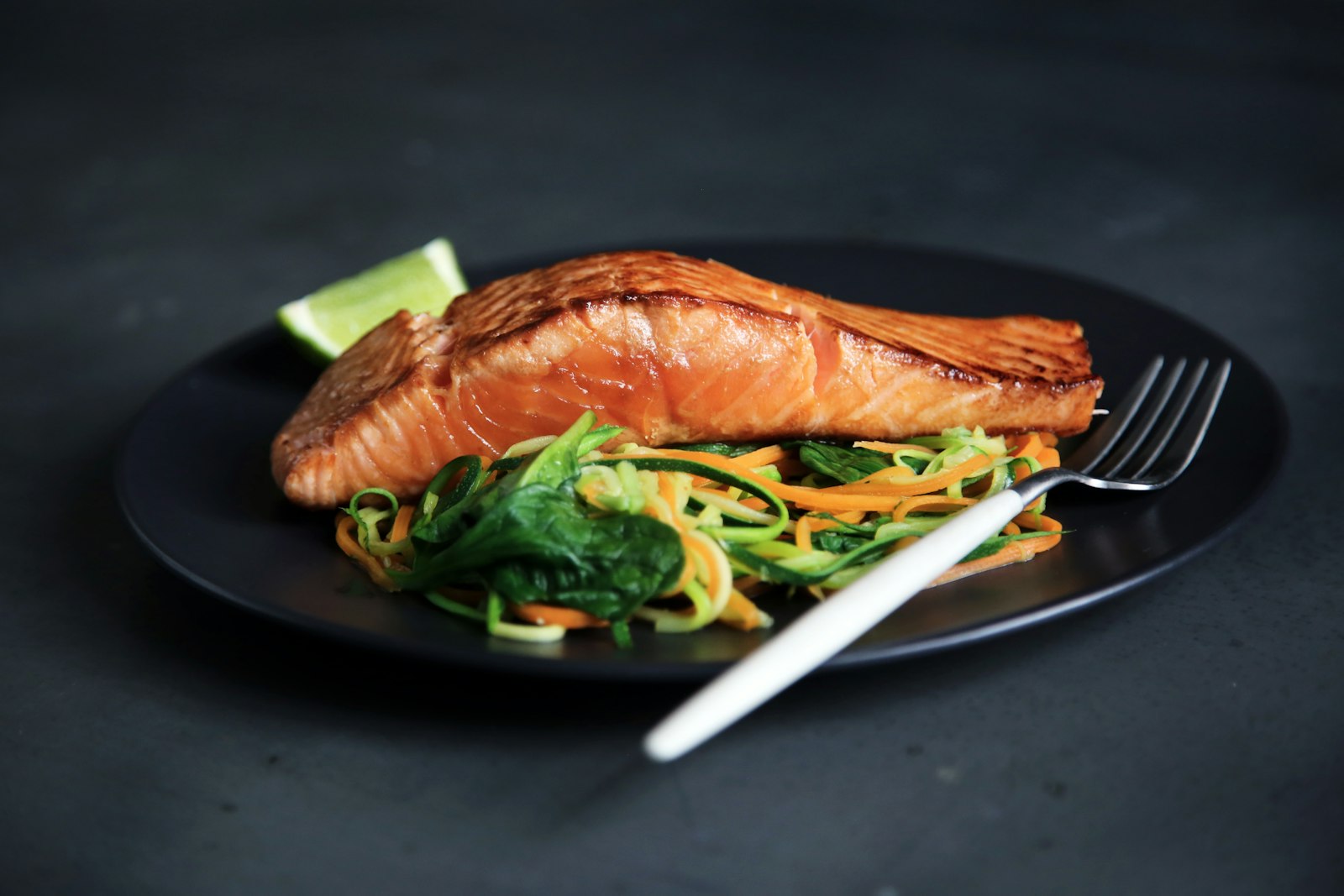
Eating smart is one of the biggest levers on your Iceland budget.
Food — Eat Smart, Not Cheap
Eating out for every meal in Iceland is genuinely expensive. The solution is not to eat badly — it is to shop strategically and save restaurants for when they are really worth it. For dishes, supermarket staples and restaurant traps, use the full Icelandic food guide.
🐷 Bónus and Krónan — fill up when you are nearby
Bónus (the one with the pink pig sign) is the cheapest supermarket chain in Iceland. Krónan is a close second. The strategy that works best on a road trip is simple: whenever you are driving through a town that has a Bónus or Krónan, stop and stock up — even if you do not need supplies immediately. You will not always be near one when you are hungry, and buying food at petrol station shops or tourist area minimarkets costs significantly more. Load up on skyr, bread, cheese, sliced lamb, and snacks whenever you see one.
⭐ Bónus locations: Reykjavík, Akureyri, Selfoss, Egilsstaðir, Ísafjörður and more
🍳 Accommodation with a kitchen
Booking guesthouses, hostels, or Airbnbs with kitchen access makes an enormous difference to your food budget. Being able to cook your own breakfast and dinner — even just simple meals — and only eating out for lunch cuts your food spending dramatically. Many Icelandic guesthouses have shared kitchens. It is worth specifically filtering for this when booking.
⭐ Even one home-cooked meal a day saves a significant amount over a week
🌭 Eat where locals eat
The hot dog stand (Bæjarins Beztu Pylsur) in Reykjavík, the petrol station bakeries, the local swimming pool cafeterias — these are where Icelanders eat when they want something quick and affordable. Avoid anywhere with a picture menu aimed at tourists. The food is usually worse and always more expensive. Our Icelandic hot dog guide explains the best budget order.
⭐ Petrol station bakeries often have excellent fresh pastries and sandwiches
💧 Never buy bottled water
Iceland's tap water is glacier water. It is among the purest in the world and tastes better than most bottled water anywhere. Bring a reusable water bottle and fill it from any tap, any stream, any waterfall. Buying bottled water in Iceland is genuinely unnecessary and adds up over a trip.
⭐ One of the easiest and most impactful budget saves in Iceland
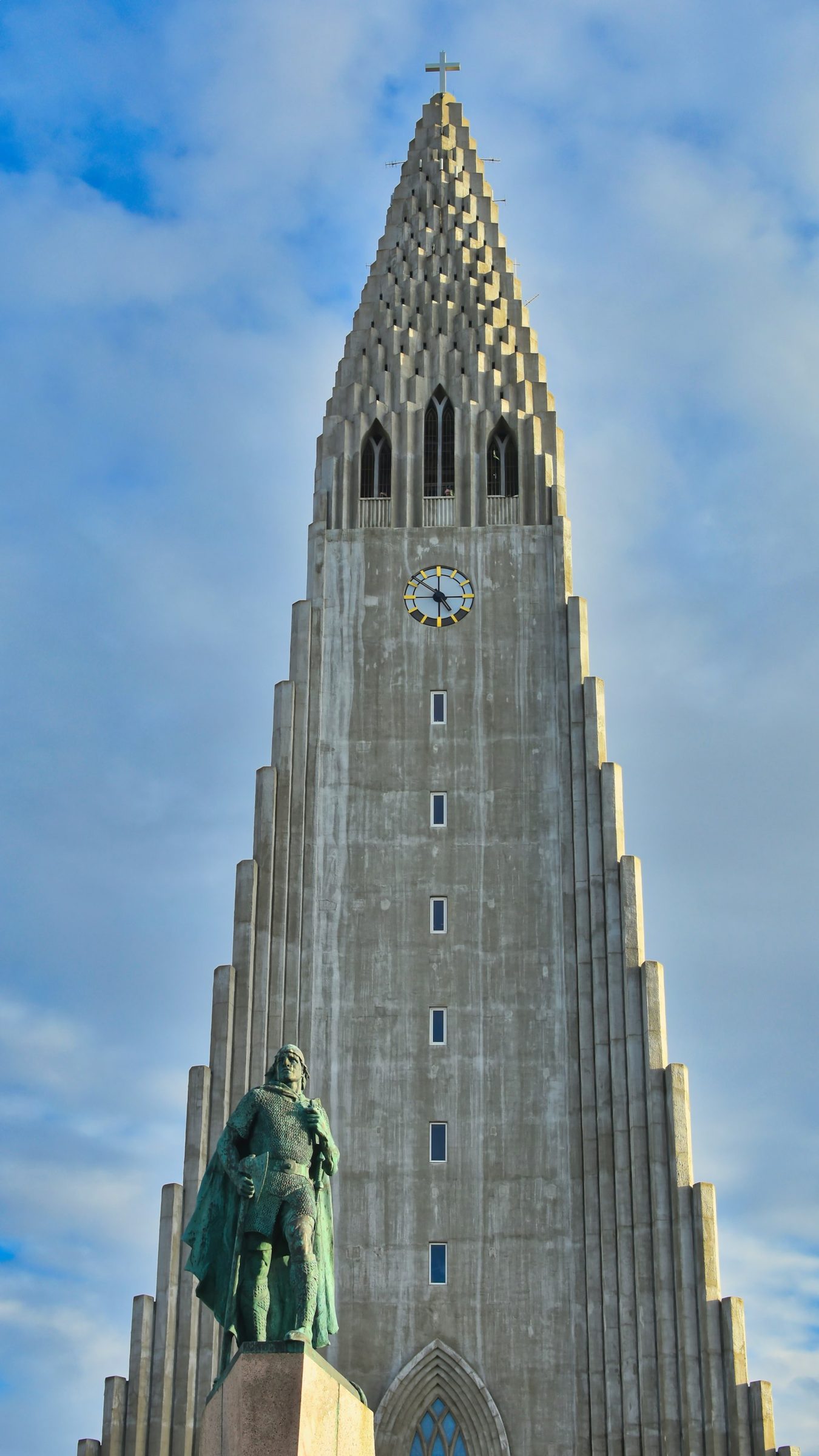
Where you sleep has the biggest single impact on your Iceland budget.
Accommodation
Accommodation is Iceland's other major cost. Hotels in popular areas are eye-wateringly expensive in high season. Here is how to manage it.
⛺ Camping is the budget option
Iceland has an excellent network of campsites, most of which are very affordable. In summer, camping is by far the cheapest accommodation option and puts you close to the landscapes you came to see. The Camping Card (Tjaldferðakort) gives unlimited camping at over 40 campsites across the country for a flat fee — if you are camping for more than five or six nights it pays for itself. A decent tent and sleeping bag are essential; Iceland's weather is not forgiving.
⭐ Camping Card available at campsite.is — worth it for longer trips
🏠 Book early — especially for summer
Last-minute accommodation in Iceland in July and August is either unavailable or extremely expensive. The best-value guesthouses and hostels book up months in advance. Booking early is one of the most effective budget strategies available — the same room can cost dramatically more if you leave it until two weeks before you travel.
⭐ Book by February or March for a summer trip
🏨 Stay outside the tourist hotspots
Accommodation in Vík, near Jökulsárlón, and in central Reykjavík commands a significant premium. Staying in a nearby town and driving to the attractions is almost always cheaper. For example, staying in Kirkjubæjarklaustur (20 minutes from some South Coast attractions) instead of Vík can save a meaningful amount per night for equivalent quality.
⭐ Small towns 20–30 minutes from main attractions often offer much better value
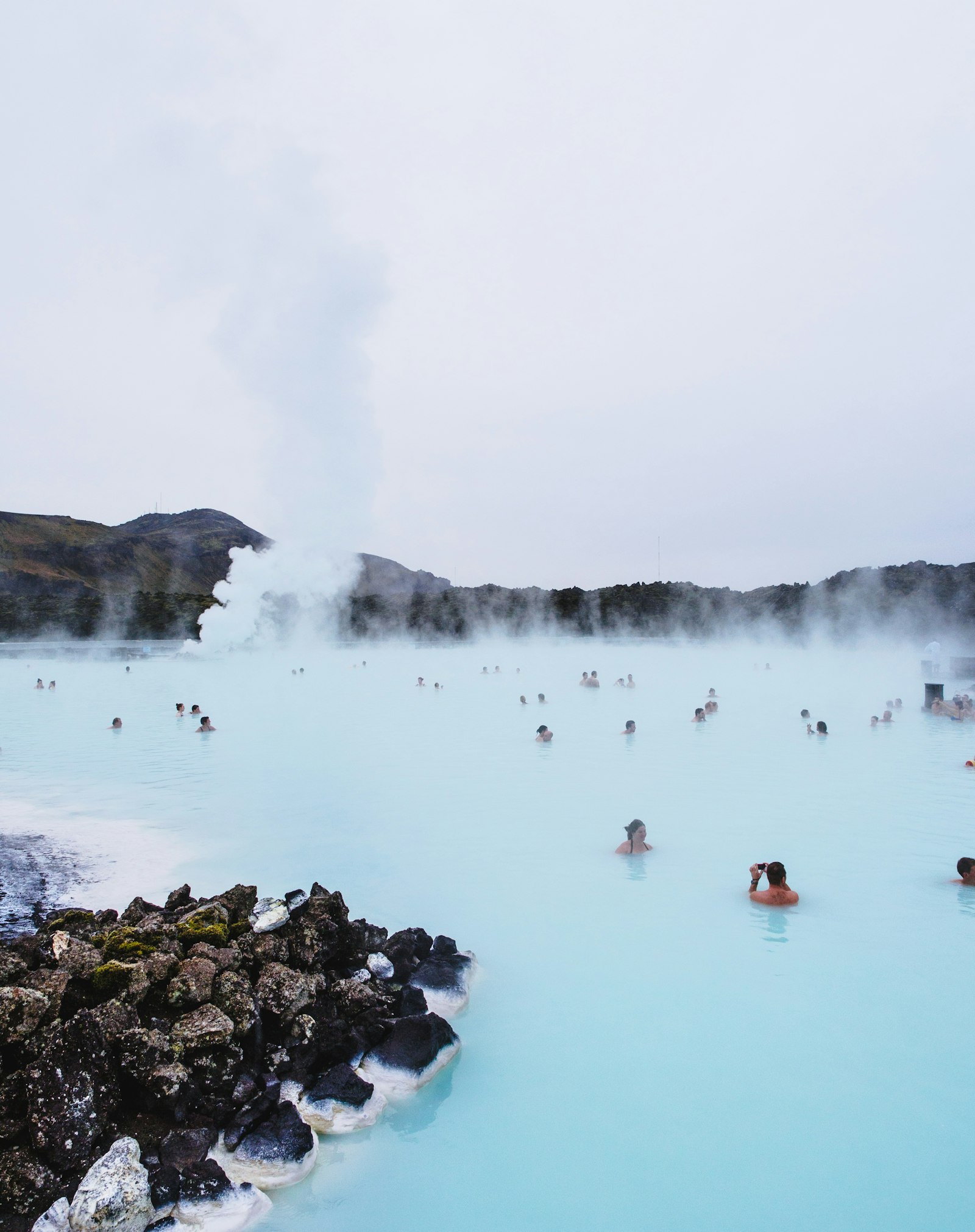
Iceland's geothermal pools are one of the best-value experiences in the country.
Activities — Free and Cheap
Iceland's biggest attractions are almost entirely free. The waterfalls, the lava fields, the glaciers, the geothermal areas, the mountains — you do not pay to look at them. The paid activities (glacier walks, whale watching, snowmobile tours) are extras, not essentials.
Activity
Cost
Driving the Ring Road and stopping at waterfalls
Free
Hiking Fimmvörðuháls
Free
Reykjadalur hot spring river hike
Free
Þingvellir National Park
Free (parking fee)
Geysir geothermal area
Free
Reynisfjara black sand beach
Free
Local swimming pool (sundlaug)
Very affordable
Northern lights watching
Free
National Museum of Iceland
Affordable
Whale watching tour
Expensive — treat it as a splurge
Blue Lagoon
Very expensive — plan carefully
Glacier walk with guide
Expensive — worth it once
The local swimming pool is the best value activity in Iceland
For a very affordable entry fee, you get access to an outdoor pool, multiple hot pots at different temperatures, a sauna, and — most valuably — an hour or two sitting next to Icelanders going about their daily lives. It is the most authentic cultural experience available in Iceland and it costs almost nothing. Every town has one. Use them, and compare the options in our local pools guide.
Where you do want to spend on activities, group tours from Reykjavík are usually significantly cheaper than booking the same things separately — Golden Circle, South Coast, glacier hikes and northern lights tours all run as efficient minibus tours that work out cheaper than driving yourself once you factor in the rental car, fuel, and parking. Compare day tour prices on GetYourGuide →
Alcohol
Alcohol at bars and restaurants in Iceland is very expensive — among the most expensive in Europe. A beer at a bar can easily cost the equivalent of a supermarket meal. If you drink, the Icelandic approach is sensible: buy from Vínbúðin (the government liquor store) and drink at your accommodation before going out. This is completely normal behaviour in Iceland and will save you a significant amount over a trip.
Travel in Shoulder Season
May, early June, and September offer a compelling combination of reasonable weather, long days, and significantly lower prices than peak summer. Accommodation is cheaper, popular sites are quieter, and you will have a more relaxed experience overall. Late September also brings the first northern lights of the season. If your schedule allows any flexibility at all, avoiding July and August peak season is one of the most effective budget moves available.
Discount Apps Worth Downloading
A few apps are genuinely useful for saving money in Iceland and take less than a minute to set up before you land.
📱 Icelandic Coupons
Icelandic Coupons (available on App Store and Google Play) gives you access to discount coupons at restaurants, shops, activities and services around Iceland. It is free to download and covers a wide range of businesses across the country — not just in Reykjavík. Browse deals before you book a restaurant or activity, and you may find a meaningful discount waiting. Worth having on your phone for the whole trip.
⭐ Free to download — search "Icelandic Coupons" on App Store or Google Play
🍺 Appy Hour
If you plan to go out for drinks in Reykjavík, Appy Hour shows you which bars and restaurants have active happy hour deals right now. Given how expensive alcohol is in Iceland, using happy hour windows is one of the few realistic ways to make a night out less painful on the budget. Particularly useful in the 101 Reykjavík area where many venues participate.
⭐ Free — shows live happy hour deals in Reykjavík
Check before you book
The habit of checking Icelandic Coupons before booking a restaurant or activity costs nothing and takes thirty seconds. Even one discount over a week-long trip can easily cover the cost of a supermarket meal.
Iceland Budget FAQ
Can you travel Iceland on a budget?
Yes, but Iceland is never truly cheap. The biggest savings come from booking early, shopping at supermarkets, cooking some meals, using local pools instead of expensive lagoons, watching parking fees and choosing paid tours carefully.
What is the easiest way to save money on food in Iceland?
Use Bónus and Krónan supermarkets for breakfast, lunch supplies and snacks, then save restaurant spending for one good meal. Hot dogs, bakeries and lunch menus are usually better value than dinner.
Are hot springs expensive in Iceland?
The famous lagoons can be expensive. Local swimming pools are much cheaper, and some natural hot springs are free, though they require more planning and safety awareness. Start with the hot springs overview before booking a lagoon.
Is renting a car cheaper than taking tours in Iceland?
It depends on the trip. A rental car gives flexibility and can be good value for two or more people, but fuel, parking and insurance add up. Short Reykjavík-based trips can sometimes be cheaper with selected day tours. Read the car rental guide before comparing prices.
The Bottom Line
Iceland does not have to be as expensive as its reputation suggests — if you plan well. Fill up at Costco when you can. Stock up at Bónus whenever you pass one. Drink tap water. Camp if the weather allows. Book accommodation early. And remember that Iceland's greatest attractions — the landscapes, the waterfalls, the northern lights, the midnight sun — are entirely free. Spend money on the things that genuinely matter to you and be strategic about everything else.