Hot springs in Iceland are not one single experience. The same search can mean a polished luxury lagoon with timed tickets, a neighborhood swimming pool full of locals, a small concrete pool beside a remote road, or a steaming river reached after a hike. They all use Iceland's geothermal heat, but they feel completely different.
Iceland sits on the Mid-Atlantic Ridge, where tectonic plates pull apart and volcanic heat rises close to the surface. That geothermal activity heats groundwater, feeds district heating systems, warms greenhouses, powers naturally heated pools, and gives the country its bathing culture. This is why hot water is not a novelty here. It is part of daily life.
The mistake many visitors make is thinking the famous lagoons are the only way to experience Icelandic geothermal water. The Blue Lagoon and Sky Lagoon are real experiences, and they can be worth it. But the soul of Icelandic bathing is usually found in a local sundlaug, while the most memorable adventure may be a wild hot pot reached with a towel, a bit of patience, and respect for the land.
If you only have one evening, go to a local sundlaug. If you want the polished bucket-list spa moment, choose Sky Lagoon or Blue Lagoon. If you have a car, time, and decent weather, add one wild hot pot or geothermal river to the trip.
The Four Types of Hot Spring Experiences
For planning, it helps to split Iceland's geothermal bathing into four categories. Do not choose based only on what looks best in photos. Choose based on location, price, time, weather, comfort level, and what kind of memory you want.
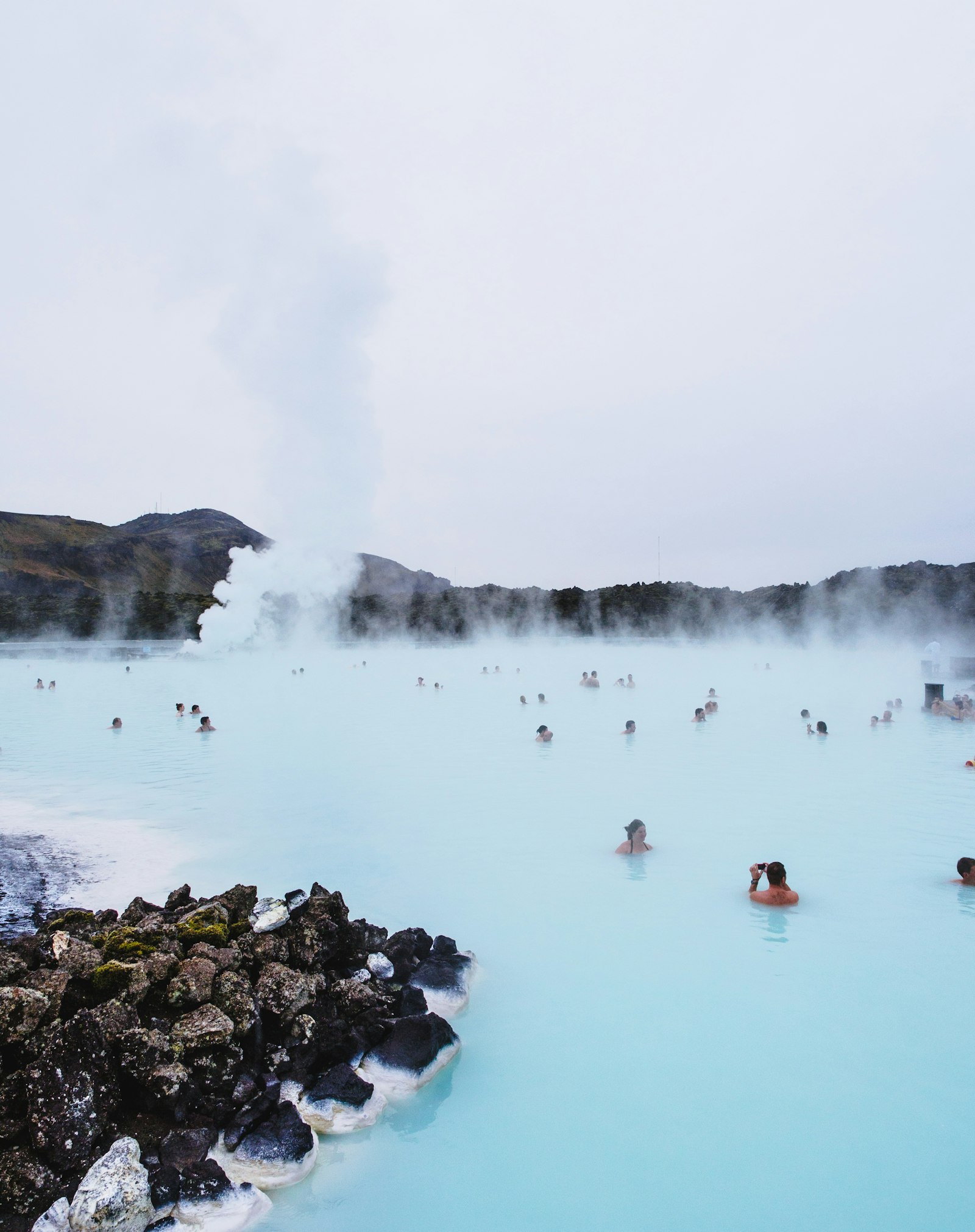
These are the big-ticket experiences: polished facilities, timed entry, swim-up bars, dramatic design, and a very clear tourist audience. Blue Lagoon is best for the lava-field photo and airport timing. Sky Lagoon is usually the better choice from Reykjavík.
Read the full Blue Lagoon vs Sky Lagoon comparisonEvery town has a swimming pool, usually with outdoor hot pots kept around 38 to 44 C. This is where locals soak, talk, swim, and unwind. It is cheaper, easier, and more Icelandic than the famous lagoons.
See how local pools work in IcelandThese are natural or semi-natural pools, rivers, and old swimming pools in the countryside. Some are free, some charge a small fee, and some are fragile or on private land. They can be magical, but they require better planning than a lagoon.
See the wild hot pots guidePlaces like Laugarvatn Fontana sit between local pool and tourist lagoon. They are easier than wild pools and less intense than the major lagoons. These work especially well on routes such as the Golden Circle or longer road trips.
Hot Springs Comparison Table
| Type | Best for | Typical cost | Booking | Local feel |
|---|---|---|---|---|
| Blue Lagoon | Famous photos, airport stop, first-time splurge | High | Essential | Low |
| Sky Lagoon | Reykjavík spa evening, ocean views, better city access | High | Strongly recommended | Low to medium |
| Sundlaug | Authentic local bathing, families, budget travelers | Low | No | Very high |
| Wild hot pots | Adventure, scenery, quiet moments, road trips | Free to low | Usually no | High, if respected |
| Route spas | Golden Circle or Ring Road detours | Medium | Sometimes | Medium |
Blue Lagoon vs Sky Lagoon
The Blue Lagoon is Iceland's most famous geothermal attraction. It sits in a black lava field on the Reykjanes Peninsula, not far from Keflavík airport. The milky-blue water, silica masks, and steam make it look unlike almost anything else in the country. It is expensive and tourist-heavy, but it is popular for a reason.
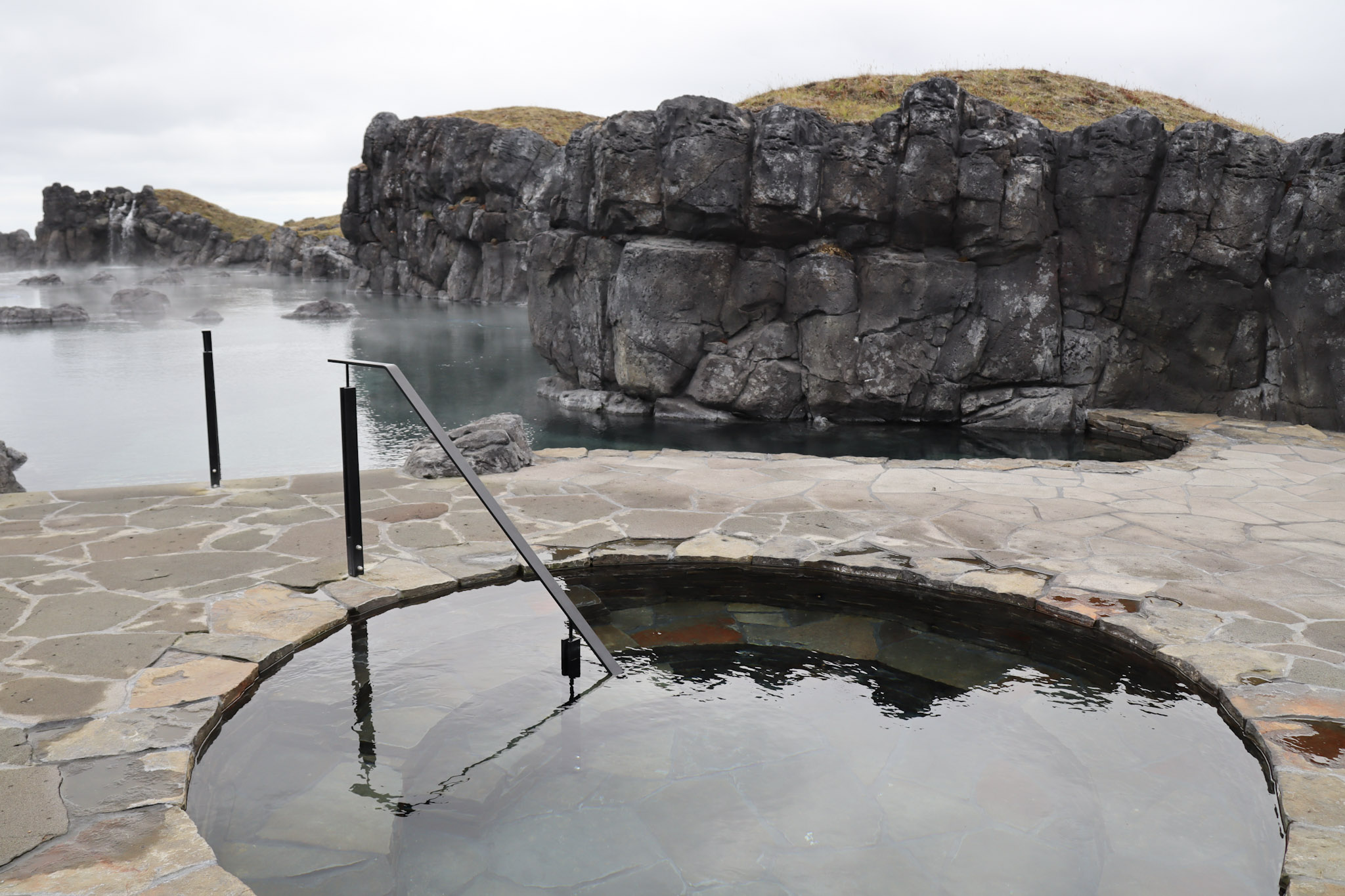
Sky Lagoon is newer, closer to Reykjavík, and built around an ocean-facing infinity edge. It feels more like a modern spa and is usually easier to fit into a city stay. For most visitors staying in Reykjavík, I would choose Sky Lagoon over Blue Lagoon. For a first or last stop near the airport, Blue Lagoon still makes sense.
If you are deciding between the two, read the full Blue Lagoon vs Sky Lagoon guide. It breaks down location, price, atmosphere, crowds, transport, and who each one suits.
Why Local Pools Are the Best Value
A sundlaug is not a backup plan. It is one of the most culturally important travel experiences in Iceland. Locals use public pools all year, including in sideways rain, snow, wind, and dark winter evenings. The swimming pool is where people exercise, decompress, talk, sit in hot water, and keep some sanity through the weather.
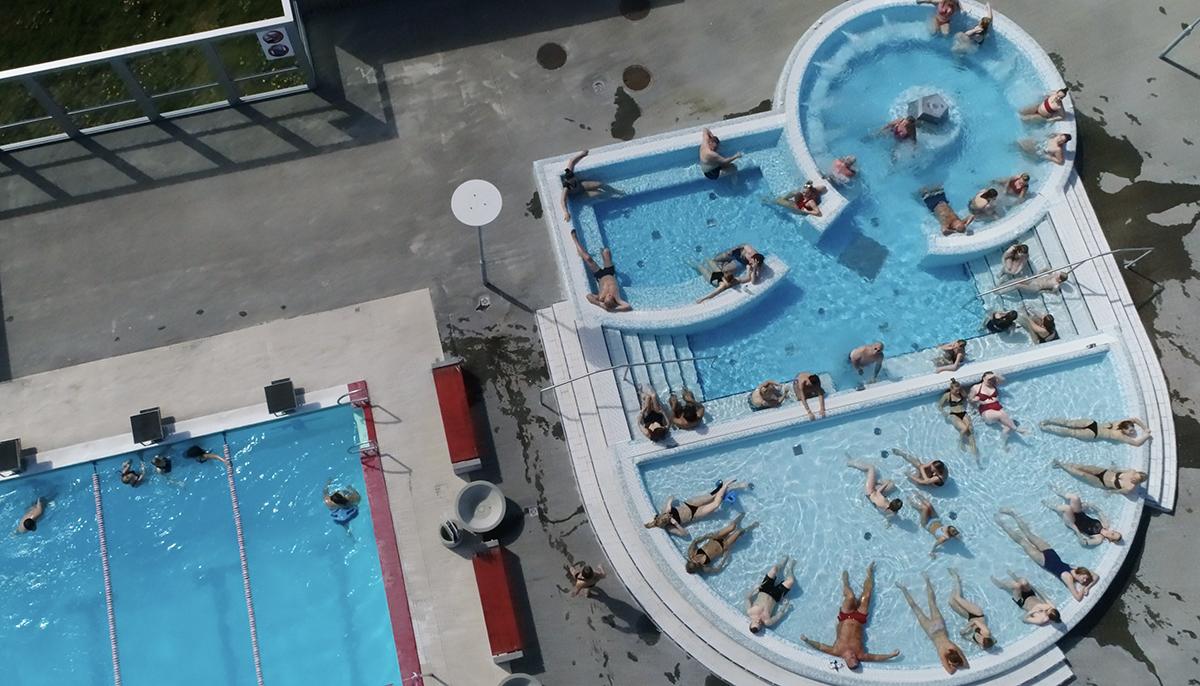
Most pools have a lap pool, several hot pots, a cold tub, steam, and sometimes slides or children's areas. You do not need to book. You pay at reception, follow the changing-room routine, shower properly, and go outside to soak. It is simple, cheap, and usually much more memorable than visitors expect.
For Reykjavík, start with Laugardalslaug or Vesturbæjarlaug. On a road trip, watch for pools in small towns. Hofsós in North Iceland is one of the most beautiful public pools in the country and fits naturally into a northern route or Ring Road trip.
Wild Hot Pots: Beautiful, But Not Casual
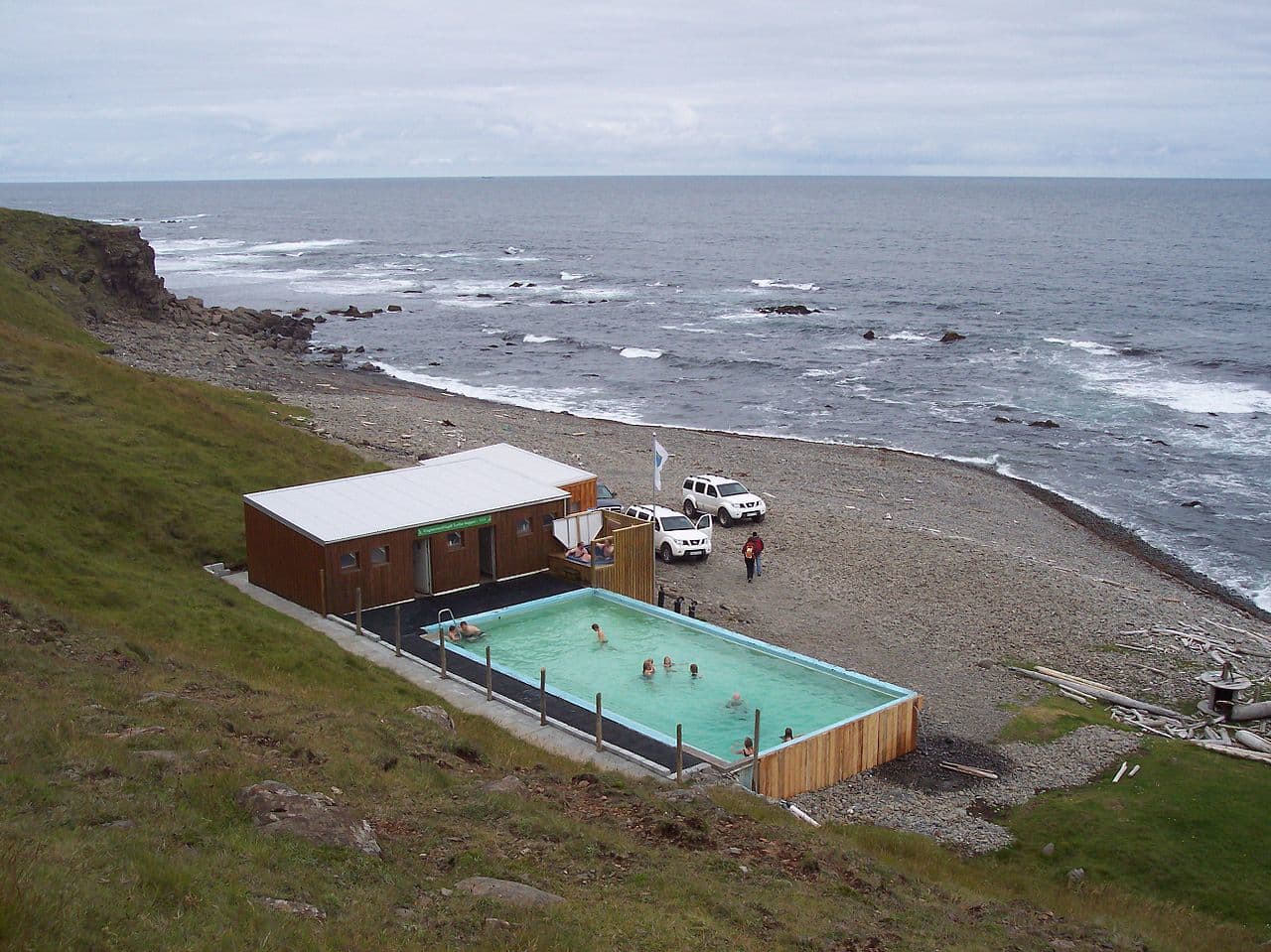
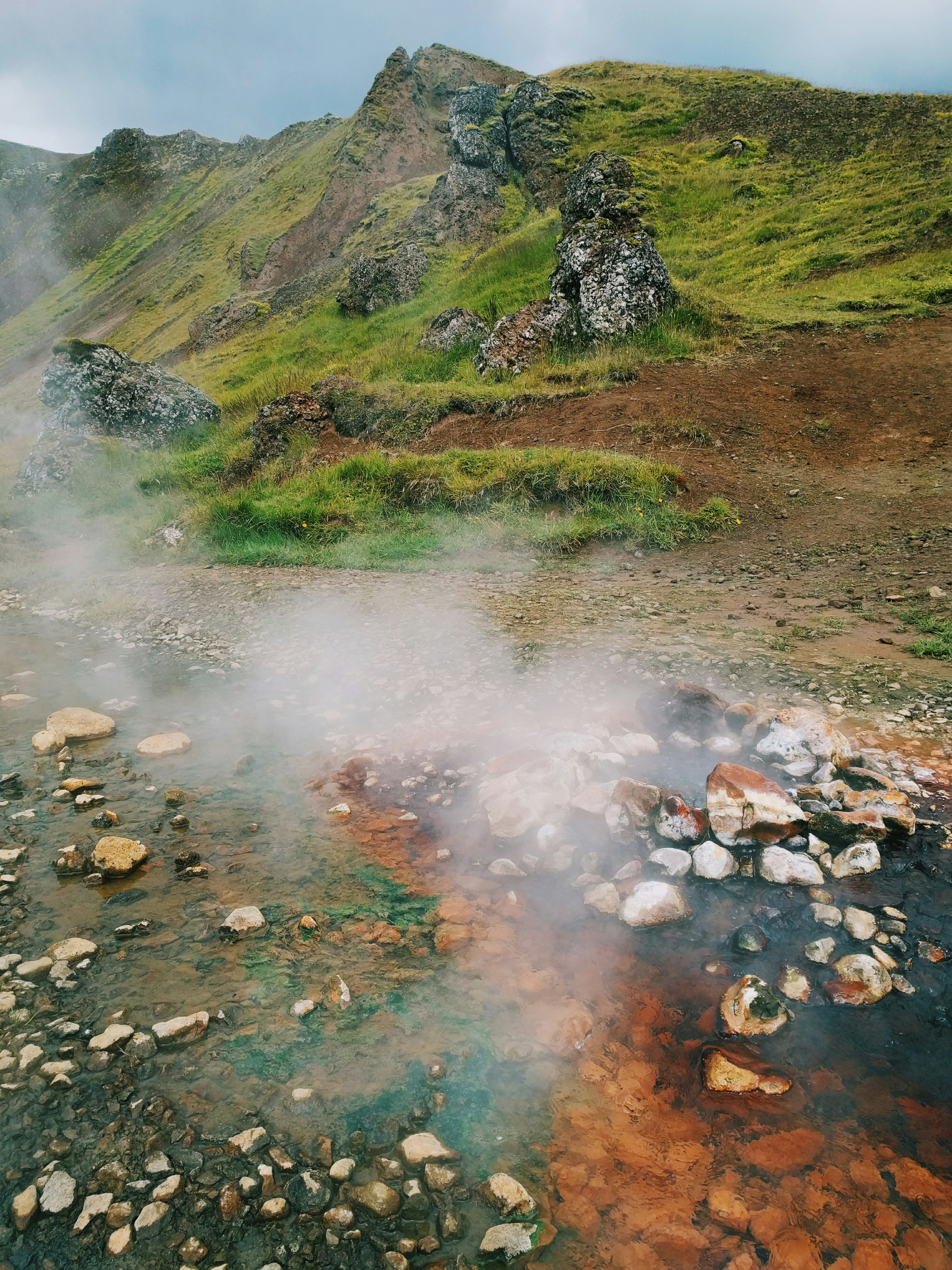
Wild hot pots are where Iceland can feel quiet and otherworldly. Reykjadalur, Seljavallalaug, Hrunalaug, Krossneslaug, Landmannalaugar, and many smaller spots all have their own mood. Some are a hike. Some are tiny. Some are fragile. Some are on private land. None should be treated like a free outdoor bathroom or party venue.
The key rule is simple: if access is unclear, do not force it. If there is a fee, pay it. If there is a sign, follow it. Do not use soap, shampoo, or anything that runs into the water. Pack out everything. Keep noise down. Icelanders have lost access to places before because visitors treated them carelessly.
If you want the wild version, read the full wild hot pots guide before choosing a spot. You will need better planning than for a lagoon, especially in winter or bad weather.
Best Time to Visit Hot Springs
Hot springs and pools are good year-round, but the experience changes by season. Summer gives long daylight, easier driving, and more flexibility for wild pools. Winter gives the classic contrast of hot water and cold air, but roads, darkness, wind, and ice matter more.
For lagoons and local pools, winter can be excellent because you do not need long daylight. A Reykjavík sundlaug after dinner in January can be perfect. For wild hot pots, summer and shoulder season are safer for most visitors because hiking, changing outside, and driving remote roads are easier.
If your trip depends on road access or long drives, read the best time to visit Iceland guide and the Iceland in winter guide before building your bathing plan.
Etiquette: The Rule Visitors Must Know
At every public pool and lagoon in Iceland, you are required to shower without a swimsuit before entering the water. This is enforced. It is a public health rule, not a tourist trap or cultural joke.
In changing rooms, there are usually signs showing which body parts to wash. Everyone does it. Nobody cares. The awkwardness is mostly in visitors' heads. If you skip the shower, staff can tell you to go back and do it properly.
At wild pools, etiquette shifts from pool hygiene to land respect. Do not leave trash, do not wash with soap, do not block access, do not fly drones over people bathing, and do not treat a small pool like your private spa if others are waiting.
How to Pick the Right Hot Spring
- If you only have one evening: choose a sundlaug. It is cheap, easy, and real.
- If you want one polished bucket-list moment: choose Sky Lagoon from Reykjavík or Blue Lagoon near the airport.
- If you are on a tight budget: use local pools and save your money for food, fuel, or tours.
- If you have a rental car and good weather: add a wild hot pot or geothermal river.
- If you are traveling with children: local pools usually beat luxury lagoons.
- If you want photography: lagoons and wild pools are scenic, but respect privacy around bathers.
FAQ
What is the best hot spring in Iceland for one evening?
For most visitors, the best one-evening choice is a local public pool, called a sundlaug. It is cheap, open year-round, full of locals, and gives a more authentic Icelandic bathing experience than the famous tourist lagoons.
Which is better, Blue Lagoon or Sky Lagoon?
Sky Lagoon is the better choice for most travelers because it is close to Reykjavík, has strong ocean views, and feels more spa-like. Blue Lagoon still makes sense if you want the famous milky-blue water near Keflavík airport.
Do you have to shower before hot springs in Iceland?
Yes. At Icelandic public pools and lagoons, you must shower without a swimsuit before entering the water. This is a normal public health rule in Iceland and staff may stop visitors who skip it.
Can you visit wild hot pots in Iceland without a guide?
Some wild hot pots, such as Reykjadalur, can be visited independently if you are prepared and conditions are safe. Others are remote, tiny, seasonal, or on private land, so always research access, weather, and road conditions first.
How hot are hot springs and pools in Iceland?
Public hot pots are commonly around 38 to 44 C, while tourist lagoons are usually a little cooler and more controlled. Wild natural springs vary a lot, so always test the water carefully before entering.
The Bottom Line
The best hot spring in Iceland depends on the kind of trip you are taking. If you want the famous image, book a lagoon. If you want the best value and the most Icelandic experience, go to a sundlaug. If you want the story you will still remember years later, make time for a wild hot pot and treat the place properly.
For a balanced trip, do two different types: one local pool and either one lagoon or one wild hot pot. The contrast tells you more about Iceland than any single soak can.