Driving yourself is the best way to see Iceland. Bus tours hit the same stops, the same restaurants, and the same gas stations. With your own car you decide when to pull over for a waterfall, how long to stay at a hot pot, and whether to take the dirt road that looks interesting. The downside is the booking process — Icelandic car rental is more confusing than it needs to be, and most online advice glosses over the parts that actually matter.
This is a local's guide to the three things visitors get tangled up in: how to book (direct vs broker), which insurance you actually need (the Icelandic-specific add-ons matter), and F-roads — the highland tracks that account for most rental disputes and the most spectacular landscapes in the country.
Direct or Through a Broker?
When you start looking online, you'll see two kinds of websites:
- Direct booking — straight from a rental company. Either an international name (Hertz, Avis, Europcar, Budget) or a local Icelandic operator (Blue Car Rental, Lotus, IceRental, Reykjavík Cars, and dozens more).
- Brokers / aggregators — sites that compare dozens of operators in one search. Examples: Discover Cars, Northbound, Rentalcars.com, Kayak.
Booking direct
- Best price for the operator (no broker fee skimmed off)
- Faster customer service when something goes wrong
- Clearer about exactly what's included
- Sometimes you can negotiate, especially with smaller local operators
- Loyalty perks if you come back
Booking via broker
- Compare 20+ companies in one search
- Often shows the cheapest absolute price (sometimes with bundled insurance)
- One booking, one cancellation policy
- Less work for the user
- Some brokers add their own protection product on top
The honest take
For Iceland specifically, booking direct with a local Icelandic operator usually beats both international brands and brokers. Local operators know the country, their cars are equipped for actual Icelandic conditions (winter tires, gravel-rated, the right ground clearance), and their customer service is much faster when something goes wrong on a Sunday in the middle of the highlands.
The big international brands often hand you the same car a local operator would — but at a higher price, with stricter terms, and a phone tree based in another country. The brokers are useful for comparison shopping, but the cheapest result is almost always a local company you could have booked with directly.
Search on a broker (Discover Cars or Northbound) to see the cheapest options. Note the company name. Then go to that company's actual website and compare the direct price. Often it's the same or cheaper, with friendlier cancellation and clearer insurance options.
The Insurance Maze
Iceland is the country where car rental insurance gets really specific. Sandstorms, gravel roads, freezing rain, and unique weather mean the standard "CDW" you'd buy in Spain doesn't quite cover everything. Here is what each line item on your booking form actually means.
What you actually need, by trip type
| Trip type | Recommended insurance |
|---|---|
| Reykjavík + Golden Circle (paved only) | CDW + SCDW |
| Ring Road, summer | SCDW + Gravel Protection |
| Ring Road + South Coast in spring or autumn | SCDW + Gravel + SAAP |
| F-roads / highlands | SCDW + Gravel + SAAP + Tire & Underbody |
| Anywhere in winter | All the above + properly equipped winter car |
Some premium credit cards (Amex Platinum, Chase Sapphire Reserve, etc.) include rental car insurance. Iceland is excluded from most of these policies. The exclusion is so common it's basically a rule. Check your card's terms before relying on it — and assume Iceland is excluded unless you've confirmed otherwise in writing.
F-Roads: What They Are and When You Can Drive Them
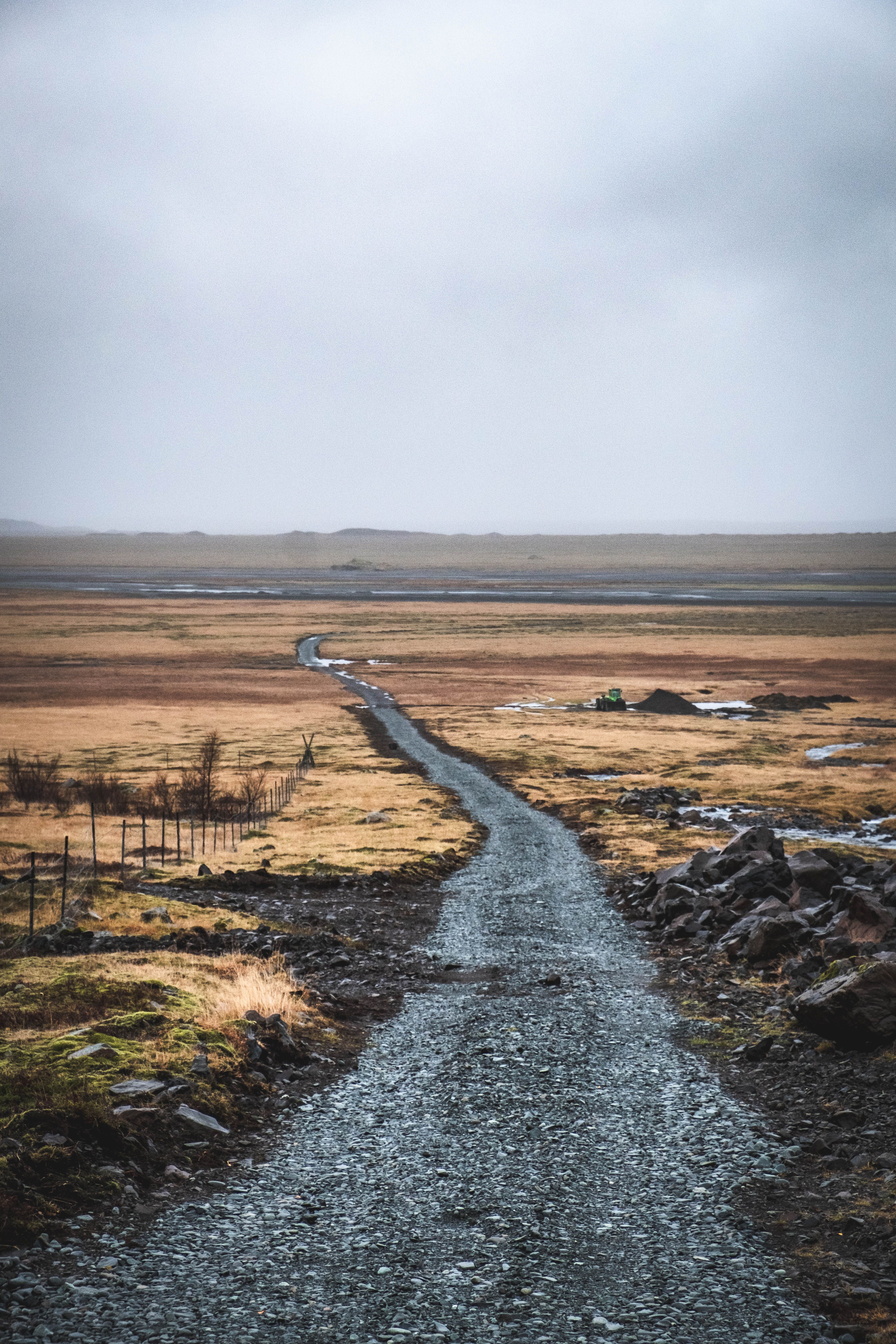
F-roads (also called fjallvegir, mountain roads) are the gravel-and-river-crossing tracks that lead into the Icelandic highlands. They are the gateway to the most dramatic landscapes in the country — Landmannalaugar, Þórsmörk, Askja, Kerlingarfjöll. They are also legally restricted, weather-dependent, and sometimes outright dangerous.
When they're open
F-roads are seasonal. They generally open in late June (sometimes early July depending on snowmelt) and close again in September or October. Exact opening dates vary year to year. The official source is road.is (Icelandic Road Administration) — check it before any highland trip, both for opening dates and current conditions.
What car you need by law
By Icelandic law, only 4WD vehicles are allowed on F-roads. This is not a recommendation, it's a regulation. Driving a 2WD car on an F-road instantly voids your insurance and gets you a fine if you're caught. Rental companies will charge you the full cost of any damage if their tracking shows the car was on an F-road in violation of the rental agreement.
- Small 4WD (Suzuki Vitara, Dacia Duster, similar): fine for the easier F-roads — F35 to Hveravellir, F570 to Snæfellsjökull, F261 into Þórsmörk on the easier days.
- Bigger 4WD (RAV4, Kuga, Tucson 4x4): comfortable for most F-roads with shallow river crossings.
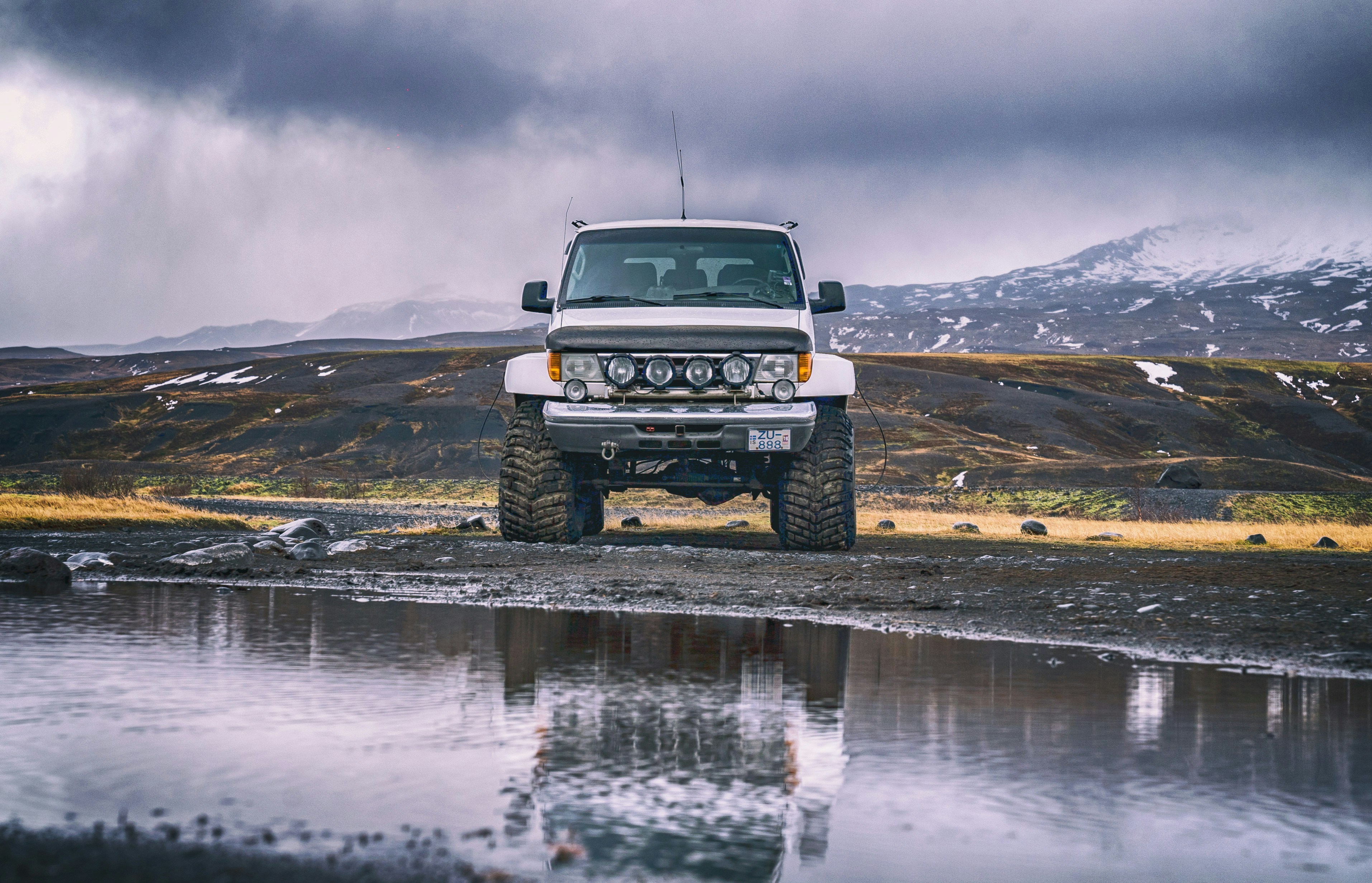
- Modified Super Jeep: needed for the truly remote highland routes (F26 Sprengisandur, F910 to Askja) and for serious river crossings.
River crossings — the part that gets people killed
Many F-roads cross unbridged rivers. This is not a quirky travel feature — it's a legitimate hazard. Cars get washed away. Tourists drown. Every single summer. Standard rental insurance does NOT cover river-crossing damage. If you flood the engine, you pay for the engine — typically the equivalent of a small used car.
Basic river crossing rules:
- Always assess the river before crossing — get out and look at the depth, speed, and where the deepest channel runs
- Watch other vehicles cross first if there are any
- Cross slowly (walking speed) at a slight downstream angle
- Keep moving steadily — don't stop in the river
- If the water is above your wheel hub or moving fast, do not cross
- If in doubt, turn around. Other people have to do this every summer and they are still alive.
Some roads have an F prefix on signs but are actually passable in a regular car these days. Others don't have the F prefix but are still gravel and rough. Always check road.is, look at recent photos, and ask the rental company what your specific car is allowed on. The contract is what matters, not the road number.
What Car Do You Actually Need?
The honest sizing guide, ignoring marketing copy:
| Trip type | Car you need |
|---|---|
| Reykjavík + day trips | Small 2WD (Toyota Aygo, Hyundai i10). Cheapest. Avoid gravel. |
| Ring Road in summer, paved only | Medium 2WD (Hyundai i30, VW Polo). The most popular Iceland rental. |
| Ring Road year-round, plus easy F-roads | Small 4WD (Suzuki Vitara, Dacia Duster). Sweet spot for most travellers. |
| Ring Road + serious F-roads | Larger 4WD (Toyota RAV4, Ford Kuga). Easier in winter. |
| Remote highland trips, deep river crossings, winter F-roads | Super Jeep / modified 4x4. Expensive, sometimes only available with a guide. |
Common Rental Gotchas
- Gravel road damage — always inspect the car carefully and photograph it from every angle before you leave the lot. Existing damage gets blamed on you otherwise.
- Hidden fees — younger drivers (under 25), additional drivers, child seats, ski racks, GPS, all extra. Some are needed; some are upsells.
- Fuel policy — return the car with the same fuel level you got it. Operators charge a premium for refuelling for you, plus a service fee.
- Mileage limits — most rentals are unlimited, but some cheap rates aren't. Check before booking a long Ring Road trip.
- Ferry crossings — most rentals don't allow taking the car on the Vestmannaeyjar ferry (Westman Islands) without permission. Ask if you plan to go.
- One-way fees — picking up at Keflavík and dropping at Akureyri (or vice versa) almost always costs extra.
- Damage at dropoff — get a written confirmation that the car was returned undamaged. If you can, drop off during business hours when staff are present, and have them inspect with you.
The Bottom Line
Once you have the car sorted, plan the route in our complete Ring Road guide — the standard 10-day itinerary with all the right stops.
Rent from a local Icelandic operator if you can. Get SCDW + Gravel Protection at a minimum. Add Sand & Ash if you're going south in spring or autumn. Don't drive a 2WD on F-roads — ever. Check road.is before any highland trip. Take photos of the car at pickup and dropoff. Don't rely on credit card insurance.
Iceland is one of the great driving countries in the world. Doing this prep right means you spend the trip enjoying that, not arguing with a rental agent about a chipped windscreen at the airport at 6 in the morning.