If you have read anything recent about driving in Iceland, you have probably noticed a new theme: parking fees. Spots that were free a few years ago now charge. Different places use different apps. Some lots have no machine, no attendant, and no obvious sign — just a small notice and a camera quietly reading your licence plate. And the first you hear about a missed payment is often a fine that lands in your inbox weeks later, with the rental car company taking their own cut on top.
Honestly? It is a mess. Locals are not thrilled about it either. But it is the system we have, and once you understand how it actually works it stops being scary. Here is what is going on, where you will run into it, and how to avoid the surprise.
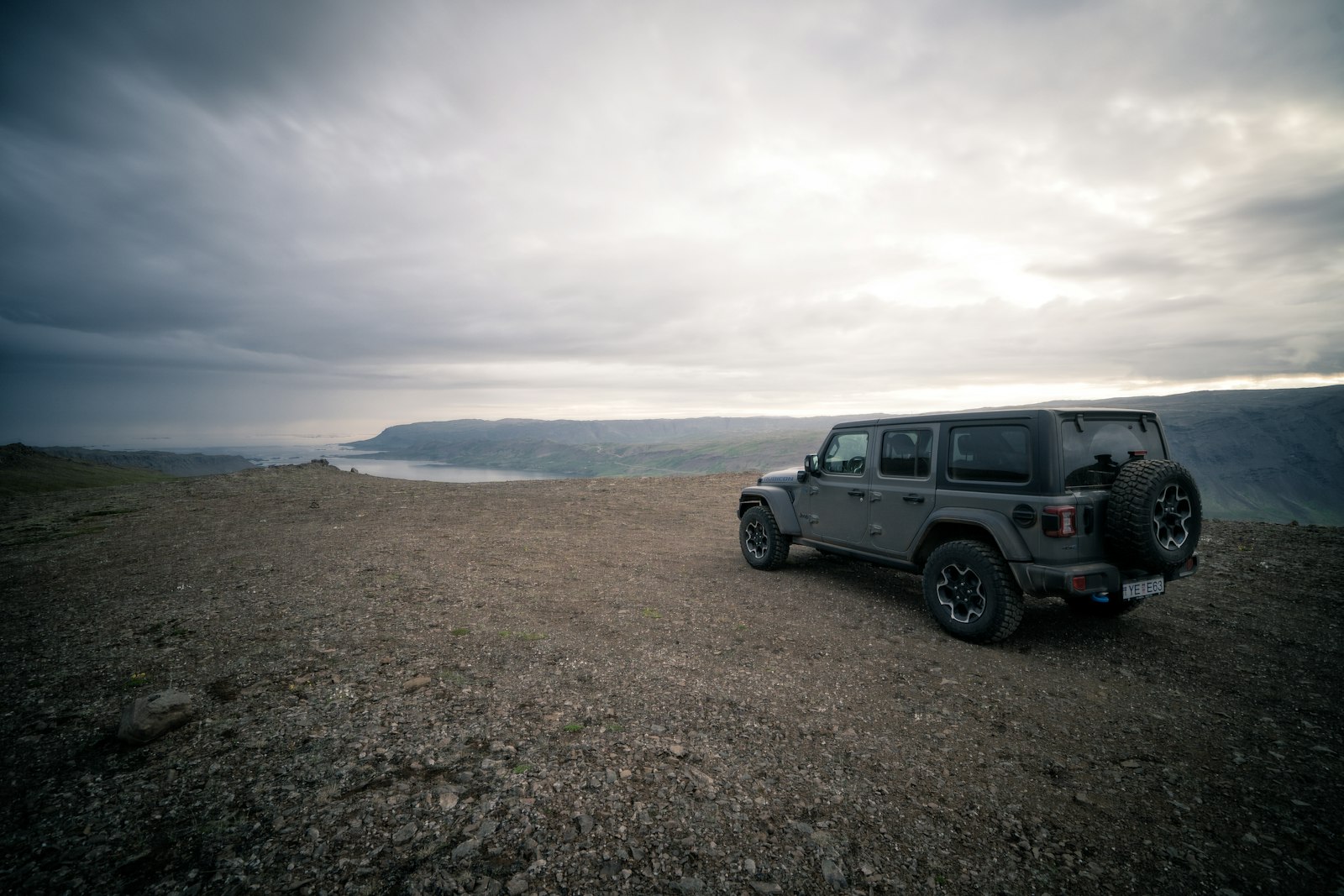
Most paid parking in Iceland — both at natural attractions and in Reykjavík — uses licence plate cameras, not gates or attendants. You pay through an app or a website after the fact. If you don't pay, you get fined automatically. There is no way to "get away with it" by just leaving quickly.
Why It Suddenly Feels Confusing
If you are still in the booking phase, our car rental guide covers the insurance choices and what is and is not your responsibility. Some "all-inclusive" rental insurance packages do not actually cover parking fines — read the small print.
For decades, parking at most Icelandic natural attractions was free. You drove up, you parked on a gravel lot, you walked to the waterfall. Then tourism volumes exploded, the lots got destroyed, the toilets got overwhelmed, and the landowners — who in many cases are private farmers, not the state — started charging to maintain the infrastructure. Þingvellir National Park introduced parking fees back in 2017. Seljalandsfoss followed. Skógafoss eventually did the same. Other sites have joined the list more recently, and more will. There is no central system, no consistent app, and often no person on site. It is a transition, and it is not finished yet.
The other thing worth understanding is that the operators have largely outsourced enforcement to private parking companies. These companies install camera systems, run the apps, and issue the fines. They are very efficient. They are not interested in your story.
Where You'll Actually Pay (and Where You Won't)
This list is not exhaustive and the situation changes, so always check the signs at the lot itself. But here is the general lay of the land at the moment.
Natural attractions that charge
Spots that are still free (for now)
This list is a snapshot. New paid lots appear every season. The single most important habit is to look at the sign on the way in. If you see a Parka or EasyPark logo and a licence plate camera, you need to pay before you leave. If you see no signage at all, it is almost certainly free — but a glance takes two seconds and saves you a fine.
How Payment Actually Works
Almost no paid lot in Iceland has a barrier or a parking attendant any more. Almost none have a coin meter. Here is what you'll actually find.
- You drive into the lot. A camera reads your licence plate as you enter (and again as you leave).
- A sign tells you the rate, the lot code, and which app or website to use. The sign is in English as well as Icelandic, but it is often small and easy to miss.
- You open the app, type in your plate number and the lot code, and pay. You can also pay through a web browser — no app install needed if you don't want it.
- You are usually given a grace period (often around 10–15 minutes) to figure this out. After that the clock is running.
- If you leave without paying, the system flags your plate and a fine gets issued automatically. They will find you through your rental car company.
The Two Apps You Actually Need
There are several parking operators in Iceland, but in practice you will mostly run into two.
| App | What it covers |
|---|---|
| Parka (parka.is) | The big one for natural attractions and many private lots — Seljalandsfoss, Skógafoss, parts of Reykjavík, and a growing list of others. Web-based, no app install required. |
| EasyPark | Used for Reykjavík city parking and a number of other locations. Has an actual app on iOS and Android. If you are also driving in mainland Europe, you may already have it. |
Þingvellir uses its own system — you can pay at the on-site machines or through the parking.is website. The Geysir Center has its own arrangement too. The signs always tell you which one to use; just read them.
Both Parka and EasyPark have web versions. If you are uncomfortable installing payment apps on your phone for a one-week trip, you can pay every time through a browser. It takes 30 seconds longer per stop. That is the entire downside.
Parking in Reykjavík
The city is divided into four zones, P1 through P4. The closer to the city centre, the higher the zone number costs and the longer the paid hours run.

| Zone | Where | Roughly |
|---|---|---|
| P1 | Downtown core (Aðalstræti, Austurstræti, Lækjargata, around the Old Harbour) | Most expensive. Paid weekdays 9–18, Saturdays 10–16. Free on Sundays. |
| P2 | Just outside the core (parts of 101, Grettisgata, Hverfisgata, around Hallgrímskirkja) | Cheaper than P1. Same hours roughly. |
| P3 | Wider 101 and parts of 105 | Cheaper still. Often shorter paid hours. |
| P4 | Outer edges, some longer-stay lots | Cheapest, often suited to all-day parking. |
Outside these zones — most of the suburbs, including where most Airbnbs and guesthouses actually are — parking is free. There is no zone in Garðabær, Kópavogur, Hafnarfjörður, or Mosfellsbær. If your accommodation is outside the 101/105 postcodes, you almost certainly do not need to pay to park there.
Park in a P3 or P4 zone (or just outside the zones entirely) and walk into the centre. The walk from, say, Snorrabraut into Laugavegur is about ten minutes and saves you serious money over a few days. The downtown is small — you do not need to park inside it.
Other Towns
Outside Reykjavík, paid town parking is rare. Akureyri uses parking discs in the centre — the cardboard clock-face thing you set to your arrival time and leave on the dashboard. Most rental cars come with one in the glovebox. If yours doesn't, ask. Hafnarfjörður, Selfoss, Egilsstaðir, Ísafjörður and most other towns are entirely free to park in.
The Rental Car Trap
This is the part most travellers don't see coming, and it is the single biggest reason a small parking fee turns into an unpleasant surprise.
The parking company doesn't know who you are — they only know the licence plate. So they bill the registered owner of the car: the rental company. The rental company pays the fine on your behalf, then charges your card for the original fine plus an administrative handling fee — which is often substantial. By the time you see it on your statement, it is several times what the parking would have cost.
This can happen weeks after you have flown home. There is essentially nothing you can do about it once it shows up. The only protection is to not get fined in the first place.
How to Not Get Fined
None of this is hard. It just requires the habit.
- Whenever you pull into any lot near a tourist attraction or in central Reykjavík, look for a sign before you walk away from the car. Five seconds.
- If there is a Parka, EasyPark, or similar logo and a camera, pay through the app or website immediately. Don't wait until you get back.
- Pay slightly more time than you think you'll need. There is usually no refund for unused time, but the fine for going over is much worse than a few extra minutes of paid parking.
- Type your plate number carefully. A typo means the camera reads a different car than the one you paid for, and the system fines you anyway.
- Keep an eye out for short paid windows around central Reykjavík — late-evening hours and Sundays are usually free, but signs trump anything you read in a guide (including this one).
The Bottom Line
Iceland's parking situation is in a confusing transition, and yes, it is reasonable to be a little annoyed about it. The country built its tourism brand on free, wild, accessible nature, and the slow drip of paid lots at one waterfall after another does not feel great. But the system is also, mechanically, very simple: read the sign, pay through the app or browser, drive on. If you do that, you'll never see a fine. If you don't, you'll see a fine plus an admin fee plus the embarrassment of having ignored a sign written in your own language. Build the habit on day one and you can stop thinking about it.