Most visitors to Reykjavík spend their entire stay within a few blocks of Laugavegur — the main shopping street — and leave thinking they have seen the city. They have seen perhaps a quarter of it. The capital region of Iceland is home to around 230,000 people spread across several distinct towns and municipalities, each with its own character. This guide covers both the city centre essentials and the wider region that most tourists never discover.
Greater Reykjavík includes the municipalities of Reykjavík, Kópavogur, Hafnarfjörður, Garðabær, Mosfellsbær, and Seltjarnarnes. Together they are home to over two thirds of Iceland's entire population. Kópavogur, which most tourists drive straight through, is technically the second largest city in Iceland.
Quick Reykjavík Planning Links
If you are planning fast, use this page as the capital-area hub. The links below split the Reykjavík questions into the guides that answer them best.
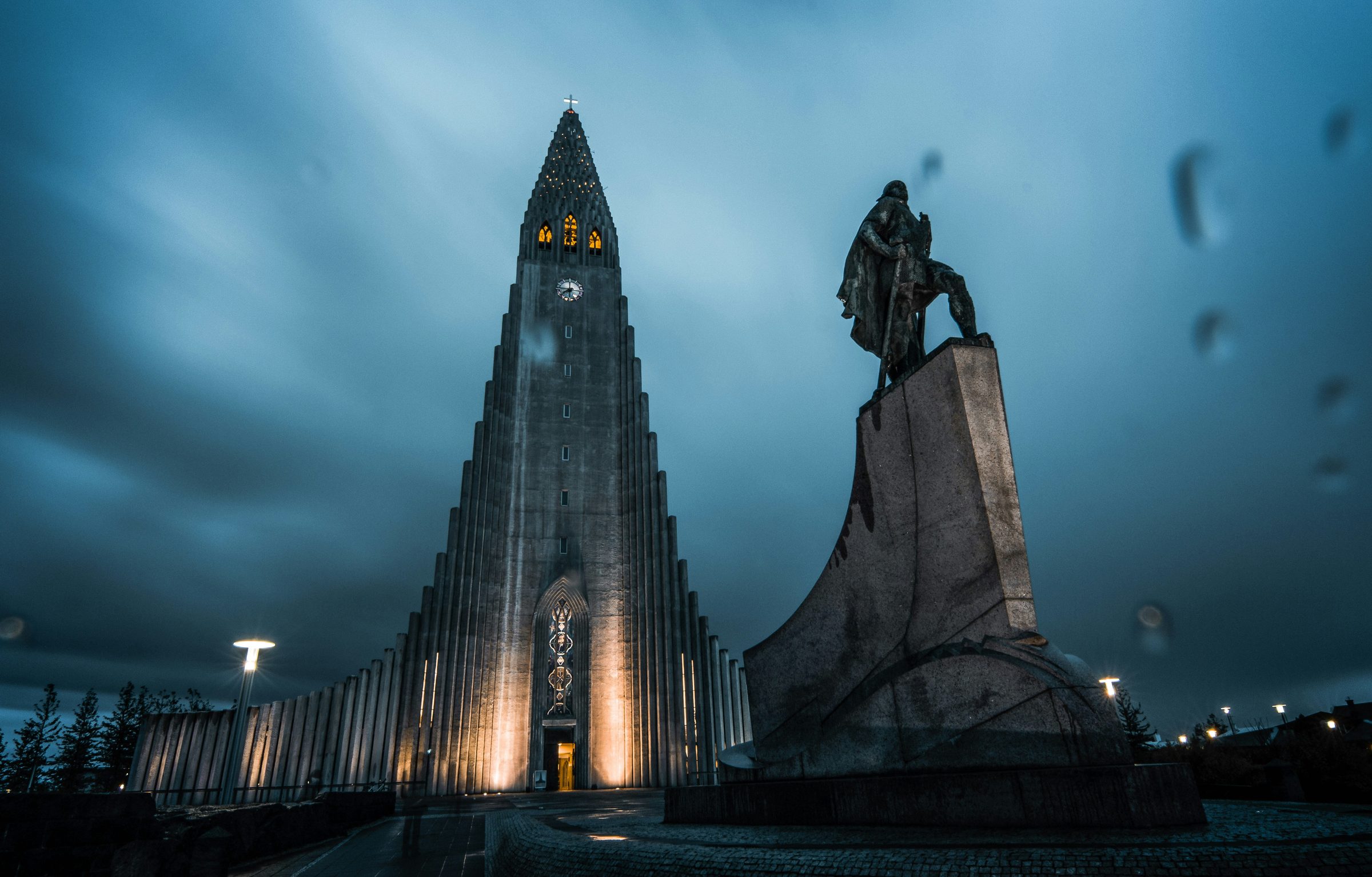
The City Centre — 101 Reykjavík
The postcode 101 covers the old city centre and is where most tourist activity is concentrated. It is genuinely worth exploring — just do not make it your only destination. For restaurants, coffee, bars and evening culture, use the deeper 101 Reykjavík food and nightlife guide.

Beyond 101 — The Wider Capital Region
This is where most tourists stop reading. Do not be most tourists.
Seltjarnarnes — 10 min from city centre
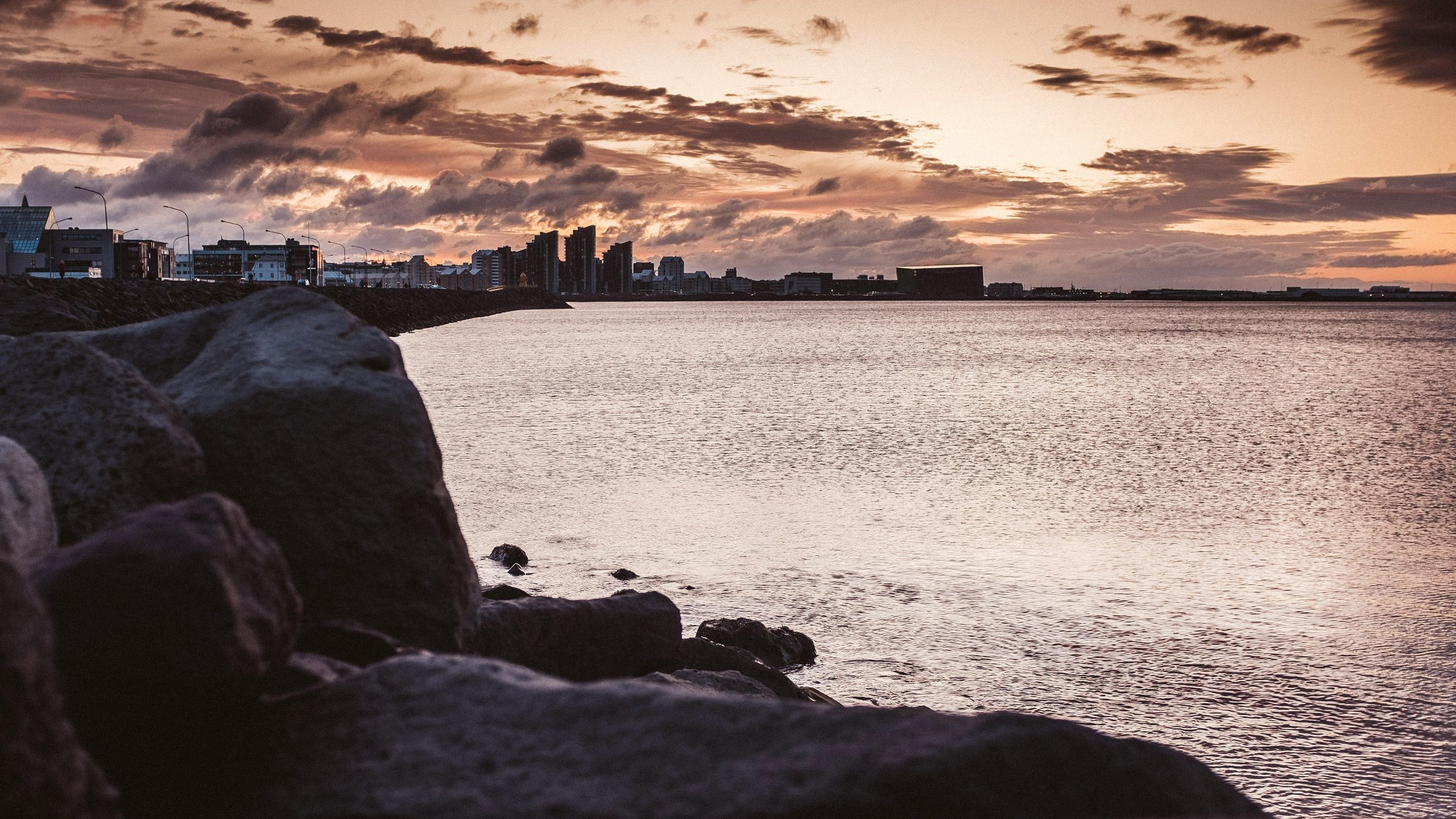
The small peninsula that juts out from the western end of Reykjavík is largely residential but has one of the best coastal walks in the capital area. At the very tip sits Grótta lighthouse — a tidal island accessible on foot at low tide. The surrounding area has minimal light pollution and is one of the most accessible spots near Reykjavík for northern lights viewing on strong aurora nights. The walk from the lighthouse back along the coast towards the city at sunset is one of the best free experiences in the capital.
Hafnarfjörður — 15 min south of Reykjavík
Hafnarfjörður — "the town in the lava" — is built directly on a lava field and has a character quite different from Reykjavík. It is one of Iceland's oldest trading towns, with a charming harbour and a colourful old town centre. It is also famous throughout Iceland for its supposed population of hidden people (huldufólk) — elves and other supernatural beings that Icelanders have coexisted with for centuries. There is an actual elf map of the town. Whether you believe in elves or not, it makes for a genuinely interesting afternoon. The Viking Village restaurant here is touristy but fun for a special dinner.
Kópavogur — 10 min south of city centre
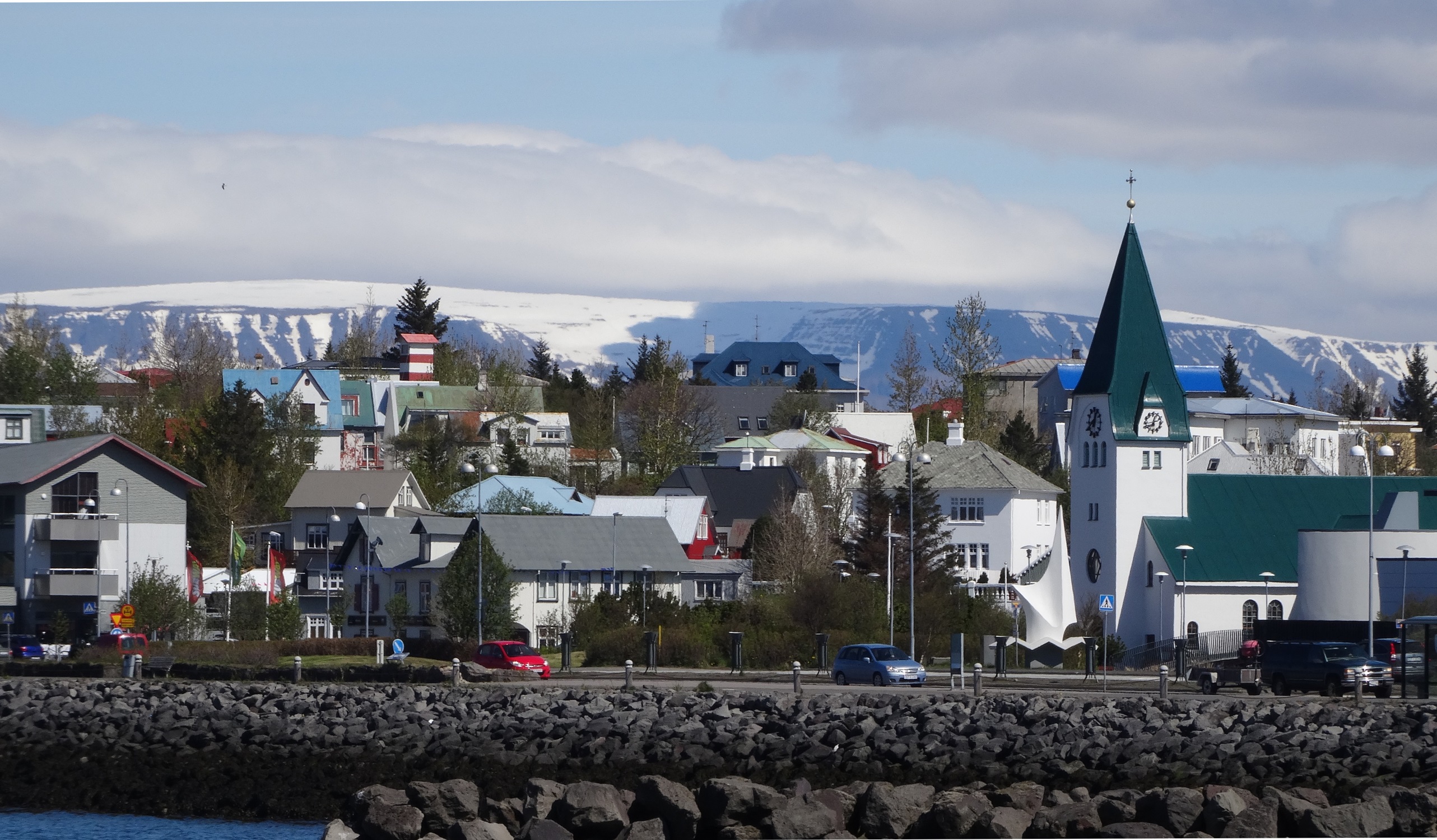
Technically the second largest city in Iceland, Kópavogur is almost entirely overlooked by tourists — which is a shame because it has some genuine gems. The Gerðarsafn art museum is small but excellent, and the Kópavogur church on the hill is one of the most distinctive pieces of modern religious architecture in Iceland. The Smáralind shopping mall here is where Icelanders actually shop, as opposed to the tourist-facing shops on Laugavegur. If you want to see how Icelanders live day to day, an hour in Kópavogur is more revealing than a day in the 101 area.
Garðabær and Álftanes — 20 min south of Reykjavík
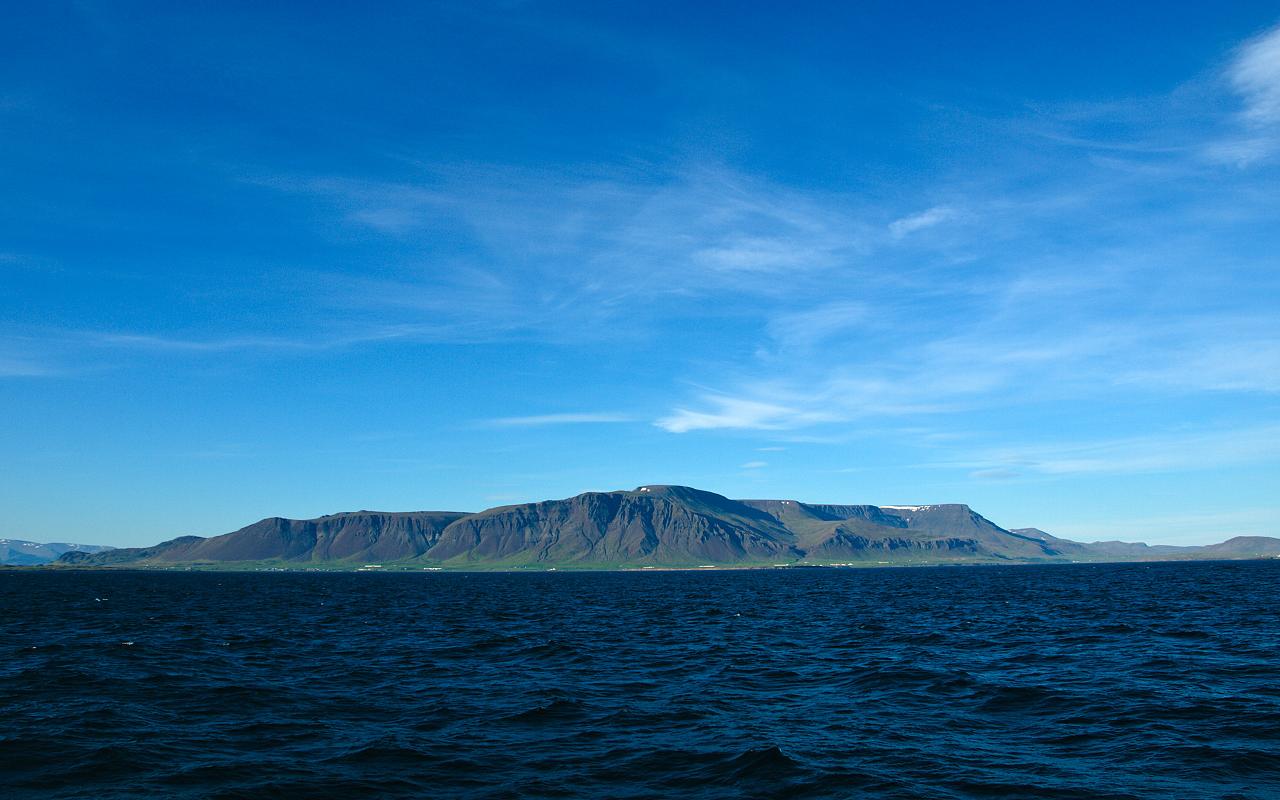
Garðabær is a quiet, prosperous suburb with a beautiful coastal path along Álftanes — a peninsula that juts into Faxaflói bay. The path along the shore offers views back to Reykjavík with Mount Esja behind it, and on clear days you can see the Snæfellsjökull glacier across the bay. Bessastaðir, the official residence of the President of Iceland, is located on Álftanes and the grounds are open to the public. A good option if you want a quiet walk away from the city crowds.
Mosfellsbær — 20 min northeast of Reykjavík
Mosfellsbær sits at the foot of the Mosfellsheið heath and is surrounded by some of the most accessible nature near the capital. The Elliðaár river runs through the municipality and is one of the best salmon rivers in Iceland — you can watch salmon jumping in season right on the edge of the greater urban area. Þingvellir National Park and the Golden Circle are easily reached from here. The writer Halldór Laxness, Iceland's only Nobel laureate, lived and worked in Mosfellsbær — his home, Gljúfrasteinn, is now a museum and one of the most interesting cultural sites near Reykjavík.
Easy Day Trips from Reykjavík
The capital is also an excellent base for day trips into the surrounding countryside. These are all within 90 minutes of the city centre.
Where to Eat and Drink
Reykjavík has a genuinely excellent restaurant scene for a city of its size. The best advice is to avoid anywhere with a laminated menu showing pictures of food — these are almost always tourist traps. Instead, look for places where the menu is handwritten on a blackboard, where reservations are needed, and where Icelanders are actually eating.
For coffee, Reykjavík rivals any Scandinavian city. Reykjavík Roasters, Kaffitár, and Te og Kaffi are the main local chains — all excellent. For something to eat on the go, the bakeries (bakarí) around the city sell excellent pastries and sandwiches at a fraction of restaurant prices. Brauð og co on Frakkastígur is worth seeking out specifically. For restaurant names and nightlife, continue to the 101 Reykjavík guide.
Kaffi Loki on Lokastigur, directly across from Hallgrímskirkja, is one of the few places in Reykjavík where you can sit down to genuinely traditional Icelandic food. The menu runs to lamb soup, rúgbrauðssamlokur (rye bread open sandwiches with smoked lamb and smoked trout), skyr cake, and — for the curious — hákarl, the fermented shark that most visitors try once and do not order again. It is a small, informal café rather than a restaurant, and the prices are reasonable by Reykjavík standards. Worth a stop after visiting Hallgrímskirkja.
Reykjavík FAQ
How many days do you need in Reykjavík?
One full day is enough for the main 101 sights, but two or three days works better if you want food, pools, museums, coastal walks and one easy day trip. If your Iceland trip is short, Reykjavík is a useful base rather than just an arrival night.
Is Reykjavík a good base for Iceland?
Yes for shorter trips. Reykjavík works well for the Golden Circle, Reykjanes, whale watching, Sky Lagoon, local pools and guided South Coast day trips. For a full Ring Road trip, move accommodation around the country instead of returning to the capital every night.
Do you need a car in Reykjavík?
You do not need a car for central Reykjavík. Walking, buses, taxis and tours cover most city needs. A car helps if you want to explore the wider capital region, Reykjanes or day trips at your own pace. If you drive downtown, read the parking fees guide first.
Where should first-time visitors stay in Reykjavík?
Most first-time visitors should stay in or near 101 Reykjavík for walking access to restaurants, museums, nightlife, harbour tours and pickup points. Quieter capital-area bases can work well if you have a car and prefer easier parking.
The Bottom Line
See top-rated Reykjavík tours and activities →
Reykjavík rewards curiosity. The tourists who love it most are the ones who wander away from Laugavegur, take the bus to Hafnarfjörður for an afternoon, walk the Seltjarnarnes coast at dusk, or drive up to Mosfellsbær for a hike. The capital region is not just a city — it is a collection of distinct places, each worth a few hours of your time. Give it more than a day, explore further than the postcode 101, and you will leave with a much richer sense of what Iceland's urban life actually looks and feels like.