F-roads are Iceland's mountain roads — the unpaved tracks that cross the empty interior of the country, and the only way to reach Landmannalaugar, Þórsmörk, Askja, Kerlingarfjöll, and most of the highlands. They are also the single biggest source of expensive rental-car repair bills in Iceland. Hundreds of tourists every summer destroy 2WD cars on F-roads, get stuck mid-river, or void their insurance by going somewhere their car was never permitted to go.
The good news: F-roads are not difficult if you understand the rules, rent the right vehicle, and treat river crossings with the respect they deserve. This guide covers all of that — what "F" actually means, who can legally drive these roads, the river-crossing rules every visitor needs to know, when the roads open, which 4×4 to rent for which route, and the mistakes that wreck cars every season.
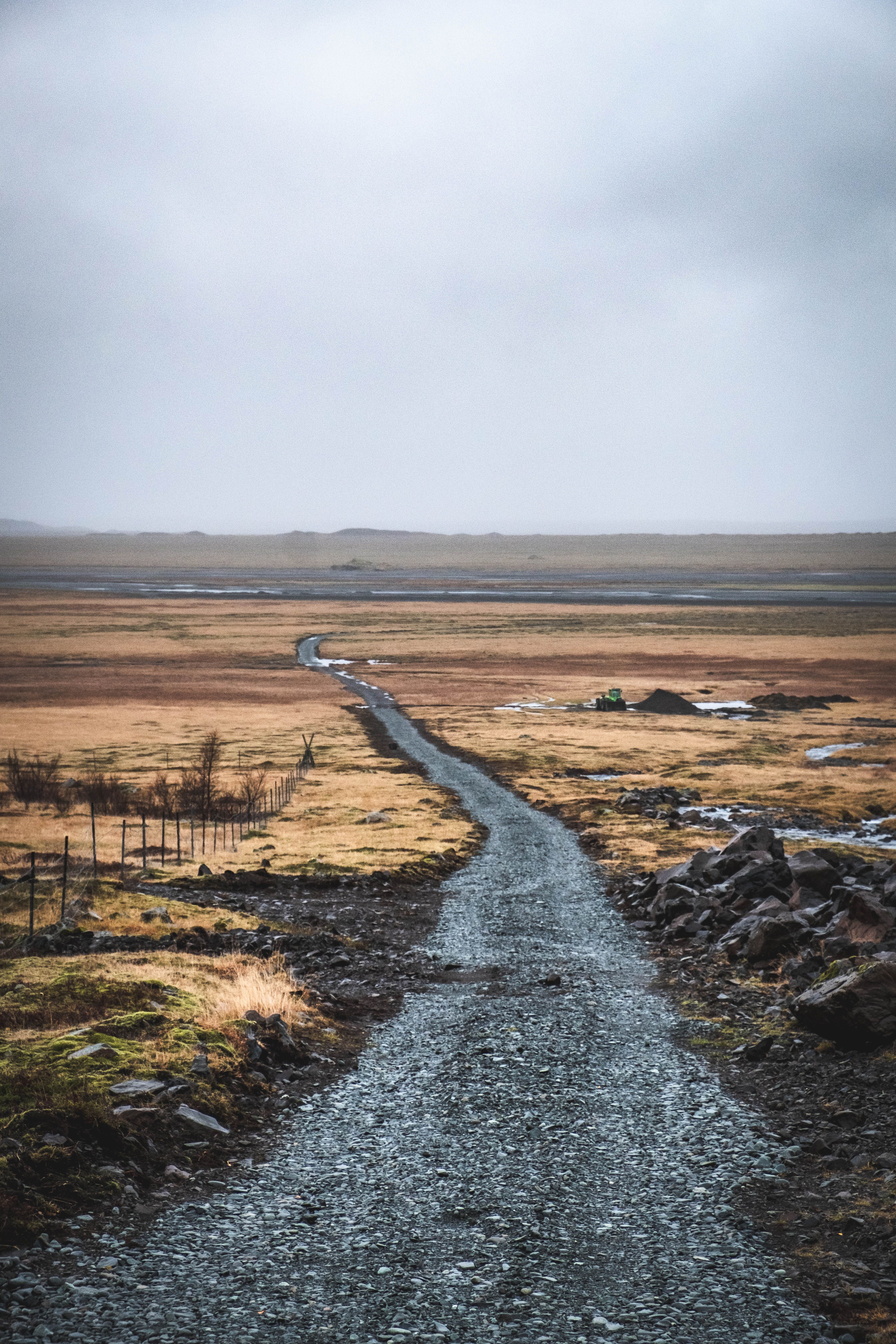
It is illegal and unsafe to drive a 2WD car on an F-road. Your insurance is void the moment you turn onto one. The fines are real, the towing fees are real, and rental companies absolutely will charge you the full repair cost. There are no shortcuts here.
What Is an F-Road?
The "F" stands for fjallvegur — "mountain road" in Icelandic. F-roads are unpaved tracks built and maintained for highland access. They are marked with yellow signs starting with F (F35, F26, F88, F208 etc.) and almost always lead into the empty interior of the country, where there are no towns, no fuel stations, often no mobile signal, and sometimes no other vehicles for hours.
The surface varies wildly. Some F-roads are graded gravel a small SUV can handle. Others are rough lava tracks with deep potholes, river crossings, and steep climbs that demand a serious 4×4. Two F-roads with the same prefix can be completely different in difficulty — F35 is among the easiest, F910 to Askja is among the hardest.
F-roads are not the same as gravel sections of regular numbered roads. A road like Route 939 (Öxi pass) is unpaved and demanding, but it is not an F-road — a 2WD can legally drive it. The F prefix is a specific legal designation that triggers the 4×4 rule.
The Rules — In Plain Language
Three rules cover almost everything you need to know:
- 4×4 only. Every F-road requires a four-wheel-drive vehicle by law. There is no exception for "I will be careful" or "the road looks fine". Police can and do fine drivers who break this rule, and rental companies routinely refuse to insure 2WD cars that have been driven on F-roads even when there is no visible damage.
- Stay on the marked road. Off-road driving (utanvegaakstur) is illegal everywhere in Iceland, but it is taken especially seriously in the highlands where the moss takes decades to recover from a single tyre track. Fines start at 350,000 ISK and go up sharply for repeat or large-scale damage.
- Speed limit on gravel is 80 km/h. On most F-roads you will be driving much slower (often 30–50 km/h) because of surface conditions. The speed limit is the maximum, not the suggested.
Insurance — What Is Actually Covered
This is where most visitors get caught out. Your standard Icelandic rental car insurance usually includes:
- CDW (Collision Damage Waiver) — basic collision cover, large excess.
- SCDW / Super CDW — reduces the excess on collisions.
- GP / Gravel Protection — covers small chips and cracks from gravel kicked up by other cars.
- SAAP / Sand and Ash Protection — covers sandstorm damage, especially in the south.
None of these cover the things that actually wreck cars on F-roads. The big exclusions to read carefully in any rental contract:
- Water damage to the engine is never covered. If water enters the engine during a river crossing — even with full insurance — you pay the entire repair, which is typically 5,000–15,000 USD on a small 4×4 and more on bigger vehicles.
- Damage from driving a 2WD on an F-road is never covered. The contract is void the moment you turn onto one.
- Underbody damage from rocks (cracked oil pan, ripped exhaust, torn brake lines) is often excluded even on 4×4s.
- Off-road driving damage is never covered and triggers fines on top of the repair bill.
For the broader insurance walkthrough see the Iceland car rental guide — but the F-road rule is simple: rent a vehicle the rental company explicitly says is allowed on the F-road you want to drive, and do not cross any river you cannot see the bottom of.
River Crossings — The Real Risk
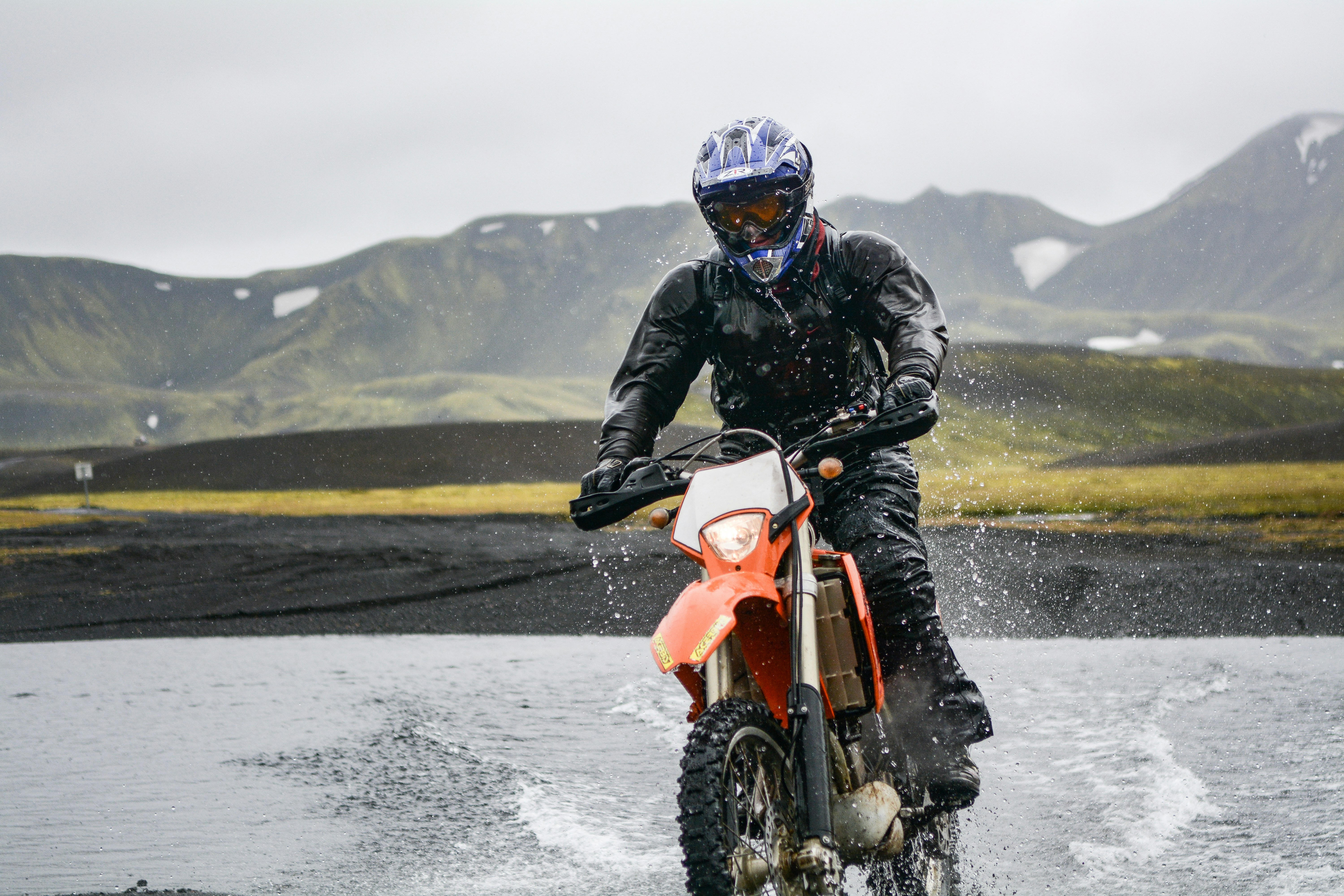
The most dangerous part of an F-road is rarely the road itself. It is the rivers. Iceland's glacial rivers fluctuate hugely depending on snowmelt and rain. A river that was knee-deep at 9am can be hood-deep by 4pm on a warm day. Tourists drown cars in the same river crossings every single summer.
Two Icelandic signs you absolutely need to recognise before you attempt any river crossing:
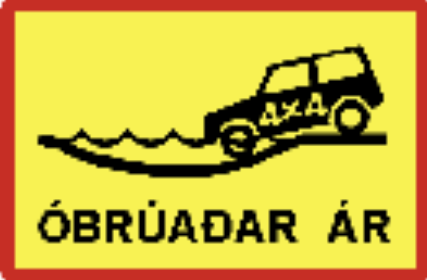
"Óbrúaðar ár" literally means "unbridged rivers". The sign warns that you are about to enter a stretch where you will have to drive through rivers, not over them. This is the single most important sign on the F-road network.
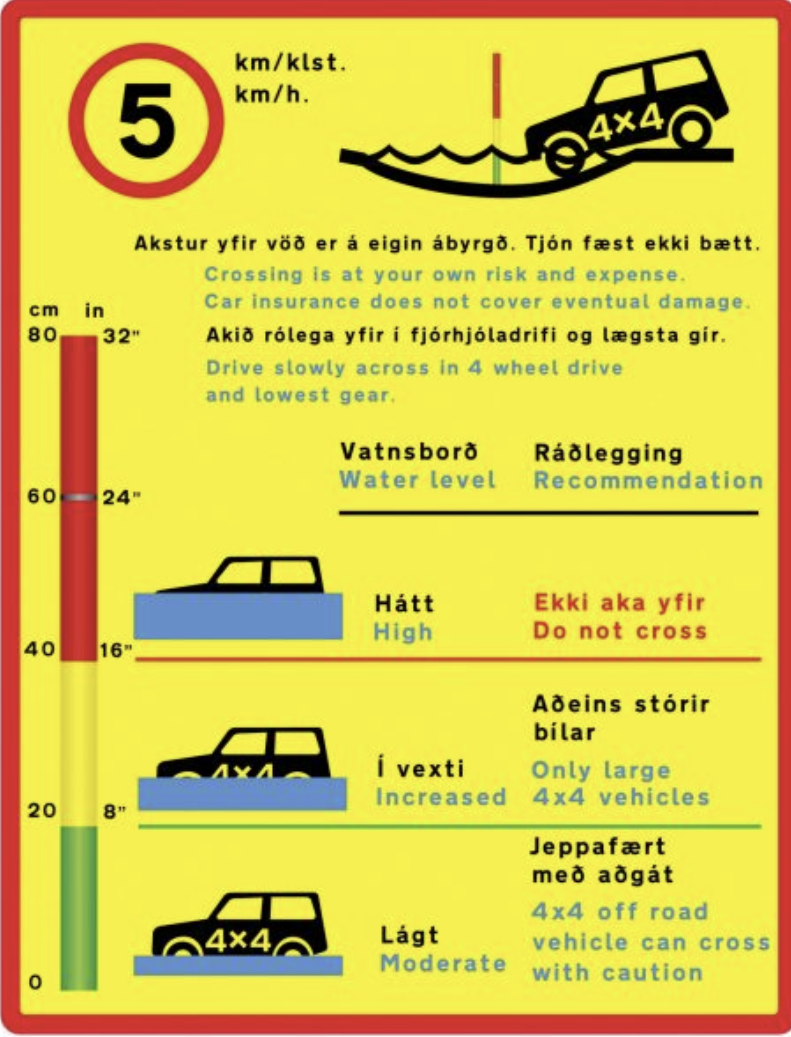
The depth chart sign appears at popular crossings on routes like F249. It shows three water levels — low (most 4×4s), high (large vehicles only), and "do not cross". The recommended speed for any crossing is 5 km/h. Always cross in low first gear (1L or L4 on most rentals), never lift off the throttle mid-crossing, and never stop in the water.
The river-crossing checklist
Before you drive into any river in Iceland:
- Stop and look. Get out, walk to the edge, look at where the water flows fastest and where it flows slowest. The deeper, slower-moving channel is usually safer than fast shallow rapids.
- Wait for another 4×4 if one is coming. Let them cross first and watch their water line. If their water reaches the bottom of the doors, the river is too high for most rentals.
- Walk across first if you can. Sounds silly. Locals do it all the time. If you cannot see the bottom and cannot judge the depth, do not drive in.
- Cross at an angle, with the current. Drive slightly downstream — never directly into the current. This reduces the water pushing against the side of the car.
- Low gear, slow constant speed, no lifting off. Around 5 km/h is right. Stopping is far more dangerous than going too slow.
- If you stall — do not restart the engine. Water in the engine destroys it within seconds of restart. Wait for help. Call 112.
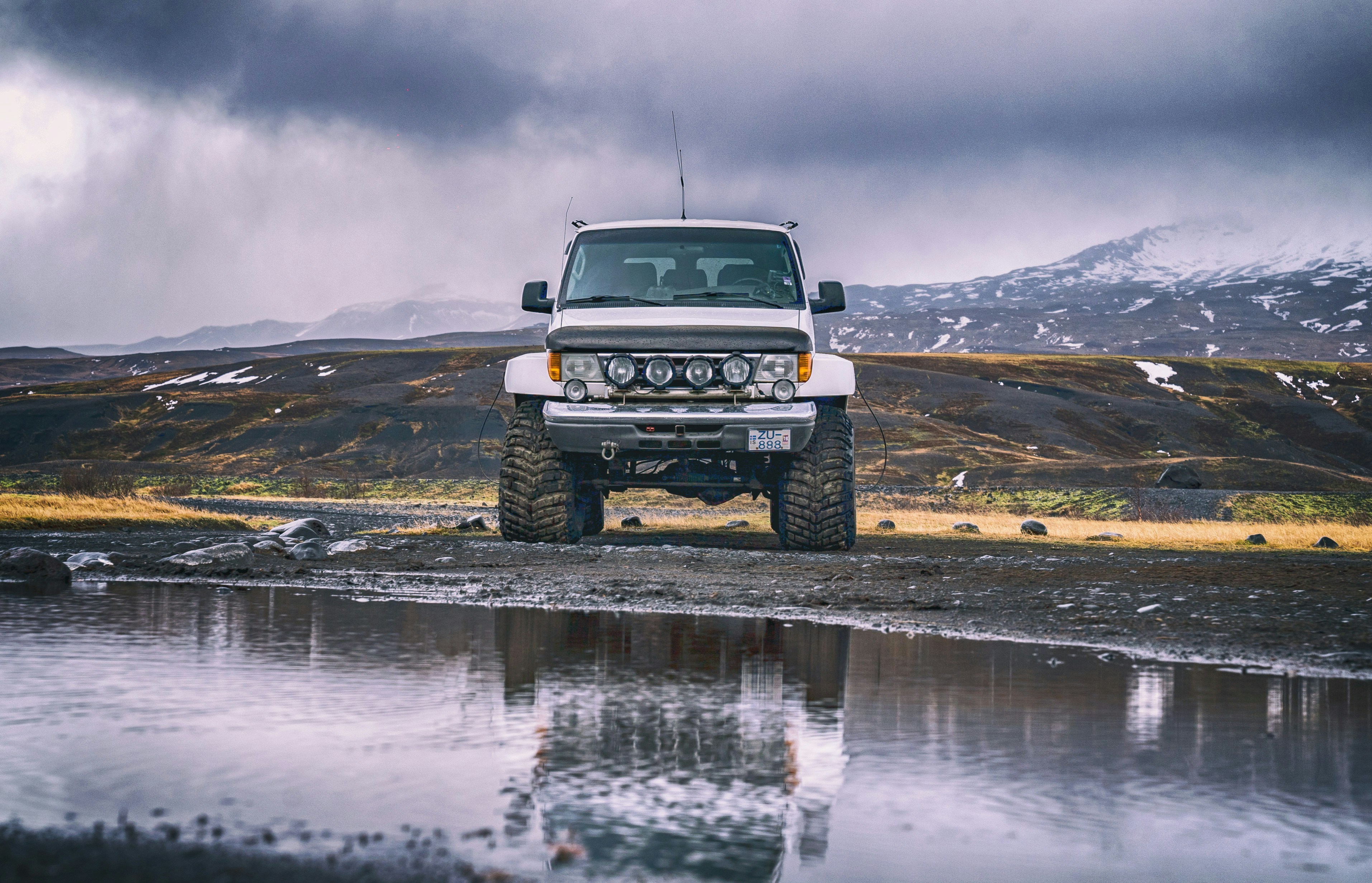
Iceland is not the place to learn. Take a tour to Þórsmörk on a highland bus instead, or stick to F-roads that have bridges over the major rivers (F26 Sprengisandur in the south, F35 Kjölur, F347 to Kerlingarfjöll, F208 north). Save the serious crossings for trips where you have experience or a guide.
When F-Roads Open and Close
F-roads are closed for most of the year. They typically open between mid-June and early July, depending on how fast the previous winter's snow melts off the highlands, and close again with the first serious snowfall, which can come as early as late September or as late as mid-October.
The official open dates are published by the Icelandic Road Administration (Vegagerðin) at road.is. The site shows live status: open / closed / impassable. Always check the morning of your drive. Conditions can change inside a day — a sudden snow shower in August can close an F-road for 24 hours.
Typical open windows
- Mid-June to mid-September: Most popular F-roads open. F35 Kjölur, F26 Sprengisandur, F208 to Landmannalaugar.
- Late June to early September: Harder routes. F910 to Askja, F88, the F-roads around Lakagígar.
- Early July to late August: Highest, most remote routes. F26 across the centre, F210 Fjallabaksleið syðri.
The Most Famous F-Roads
You do not need to drive every F-road. The most-visited highland destinations are reachable via a handful of routes:
- F208 — to Landmannalaugar. The most popular F-road in the country. Multicoloured rhyolite mountains, hot river, the start of the Laugavegur trek. Most rentals are allowed on it. Has river crossings that range from easy to serious depending on the year.
- F35 — Kjölur. The classic central-highland crossing between the south and the north. Long, scenic, no major river crossings (the worst ones are bridged). Doable in a small 4×4.
- F26 — Sprengisandur. The long central crossing. Black sand plains, extreme remoteness, real isolation. Larger 4×4 recommended.
- F88 — to Askja. Volcanic caldera with a crater lake. Demanding road with multiple river crossings. Larger 4×4 only.
- F206 — to Lakagígar. The chain of craters from the 1783 Laki eruption. Slow, washboard surface, can be punishing but no major rivers.
- F249 — to Þórsmörk. Beautiful but contains the famous Krossá river crossing, which is one of the most dangerous in Iceland. Most rentals do not allow it. Use the highland bus instead.
The Þórsmörk Problem
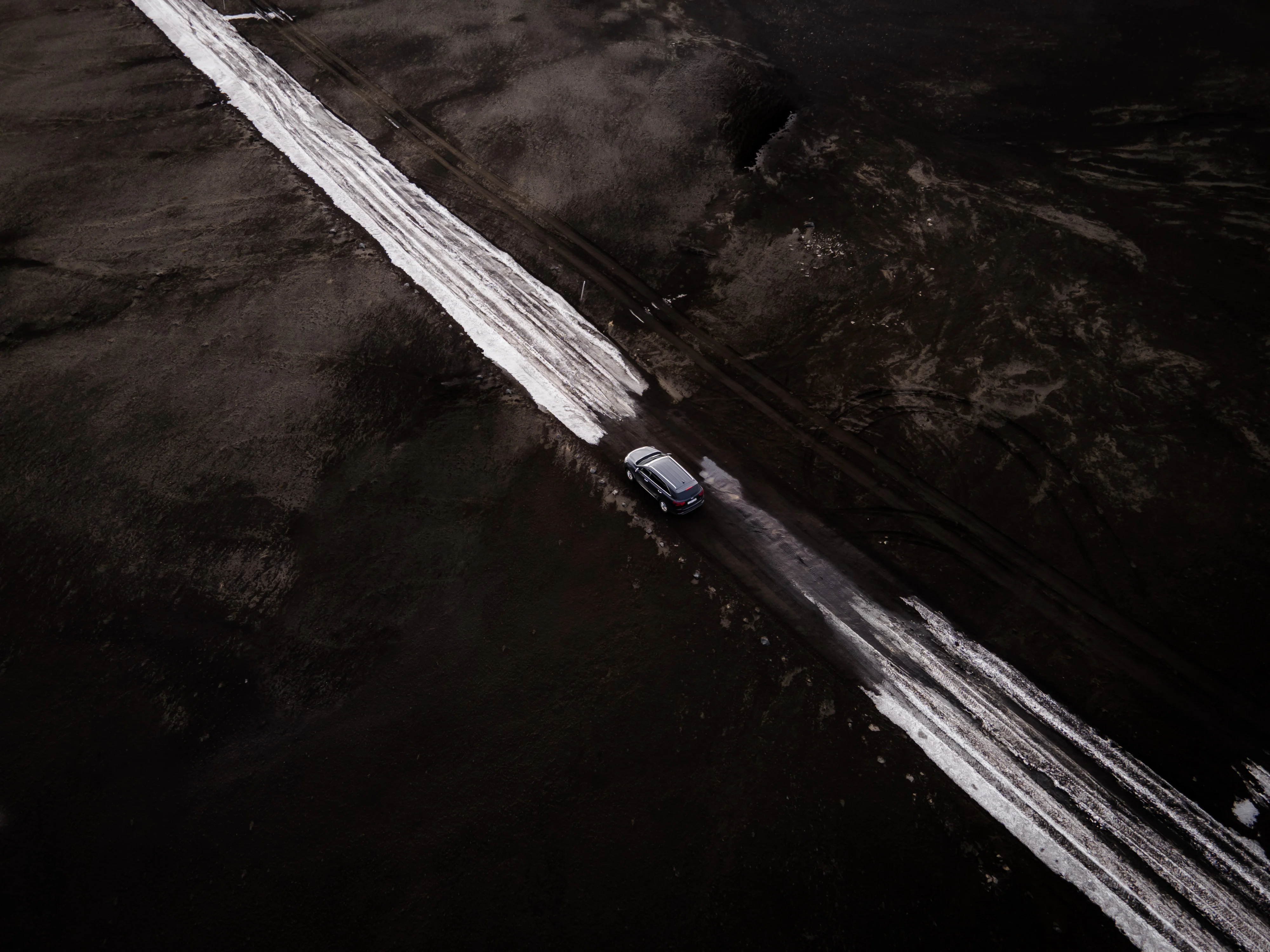
Þórsmörk is one of the most beautiful destinations in Iceland — a sheltered green valley between three glaciers. It is also reached by F249, which crosses the Krossá river. Krossá has killed people and routinely destroys cars.
The result: almost no rental company in Iceland allows their vehicles on F249, even with full insurance and even on serious 4×4s. If you drive there anyway and damage the car, you pay everything. There is no negotiation.
The alternatives:
- Highland bus from Reykjavík or Hvolsvöllur. Run by companies like Reykjavík Excursions and Trex. They use modified large 4×4 buses with raised intakes that can cross Krossá safely. Cheaper than the repair bill.
- Guided 4×4 tour. Companies in Hvolsvöllur run day tours into Þórsmörk in proper modified vehicles.
- Walk in via Fimmvörðuháls. The Fimmvörðuháls hike finishes in Þórsmörk — no rivers required.
Which 4×4 Should You Rent?
Most Icelandic rental companies categorise their fleet by what F-roads each vehicle is allowed on. Roughly:
- Compact 4×4 (Dacia Duster, Suzuki Jimny, Suzuki Vitara, Suzuki Grand Vitara): Allowed on most "easier" F-roads — F35, F347 to Kerlingarfjöll, F208 north, F206 to Lakagígar. Not allowed on F249 to Þórsmörk or other roads with serious crossings.
- Mid-range 4×4 (Toyota Land Cruiser Prado, Hyundai Santa Fe, Mitsubishi Outlander): Allowed on more F-roads including F88 to Askja and F26 Sprengisandur. Still usually not allowed on F249.
- Large 4×4 (Toyota Land Cruiser 200, Land Rover Defender, modified Toyota Hilux with raised intake): Allowed almost everywhere including F249, with serious water-crossing capability. Significantly more expensive.
Always tell the rental company exactly which F-roads you plan to drive when you book. They will guide you to a vehicle that is allowed on those routes — and the insurance will hold if something goes wrong on a permitted road.
Safety, Emergencies and Planning
F-roads are the part of Iceland where things can go wrong fast. Three resources every highland driver should use:
- road.is — official road conditions, F-road open status, live weather. Check the morning of every drive.
- safetravel.is — file your travel plan here for any highland trip. Free, takes 2 minutes, gives Iceland's rescue services your route in case you do not check in.
- 112 Iceland app — emergency app you should install before going into the highlands. The "check in" feature sends your GPS location to ICE-SAR; the emergency button connects you to 112.
What to carry on an F-road trip
- A full tank of fuel before leaving any village — the next petrol station can be 100+ km away.
- Bottled water and snacks for at least one day, in case you get stuck.
- Warm clothing even in July — highland temperatures can drop to single digits at night.
- A paper road map of the highlands. Phone signal is unreliable; offline maps work but can run out.
- A spare tyre that you know how to change.
- Toilet paper. There are almost no facilities.
If you are stuck or your car is disabled: stay with the car (it is shelter and a landmark), call 112 (works on any network including roaming), and do not try to walk out unless you are within a kilometre of a known road. ICE-SAR rescues people from the highlands every summer; the system works.
Common F-Road Mistakes
The mistakes that cost tourists the most money in Iceland, in rough order:
- Driving a 2WD onto an F-road. Triggered by Google Maps cheerfully routing you onto F35 in a Toyota Aygo. Read the road number before you turn.
- Attempting a river crossing in a small 4×4. Most rental Suzuki Jimnys can do small crossings but cannot survive Krossá or the late-summer flow on F26.
- Crossing rivers in the warm afternoon. Glacial rivers are highest in the late afternoon when sun has been melting the glacier all day. Cross in the morning if you have the choice.
- Stopping in the water. If you stop mid-crossing, water pressure can push your car downstream and you lose traction. Always cross with constant momentum.
- Restarting a stalled engine in water. The engine sucks in water and is destroyed. Stay calm, do not restart, call 112.
- Driving off the marked track. Even slightly. The fines are huge and the damage to highland moss takes decades to recover.
- Not checking road.is. A road that was open yesterday can be closed today. Always check.
- Running out of fuel. The highlands have no petrol stations. Fill up in the last village.
F-Roads FAQ
Can I drive an F-road with a 2WD car?
No. It is illegal, your insurance is void, and the rental company will charge you for any damage. There are no exceptions, even for "easy" F-roads like F35.
Are all F-roads dangerous?
No. F35 Kjölur and F208 north to Landmannalaugar are well-maintained roads that a small 4×4 handles easily in summer. The danger varies — F910 Askja and F249 Þórsmörk are difficult; F347 to Kerlingarfjöll is gentle. Match your vehicle and experience to the road.
Do I need a guide for F-roads?
For most routes, no. For F249 to Þórsmörk and the harder northern F-roads (Askja, Sprengisandur with serious river crossings), a guided tour or highland bus is far safer than self-driving as a first-timer.
What if I damage the car?
If you damaged it on a road your vehicle was permitted on and you were not breaking the rules, your insurance handles the part it covers (collision, gravel, etc.) and you pay the excess. If you damaged it on an off-limits road, in a river, or by going off-track, you pay everything.
Is the highland bus a good alternative?
Yes — especially for Þórsmörk and Landmannalaugar. The buses use modified vehicles that handle any conditions, you do not have to drive after the hike, and the cost is usually lower than the marginal extra rental fee for a vehicle that can do the same trip itself.
The Bottom Line
F-roads unlock the most extraordinary parts of Iceland — Landmannalaugar, Þórsmörk, Askja, the empty centre — but they have rules that exist for very good reasons. Rent a 4×4 the company says is allowed on the road you want to drive. Check road.is the morning of your drive. Cross rivers slowly, never stop in water, and turn around if you are not sure. Do those four things and F-roads are one of the great driving experiences anywhere in the world.
If you are travelling in summer and the highlands are part of your plan, pair this guide with the Iceland in summer guide for the bigger picture and the Iceland car rental guide for the insurance details.