Seven days is the sweet spot for an Iceland trip. It is just long enough to drive the full Ring Road without exhausting yourself, see the country's biggest landmarks, and still come home with a few quiet evenings remembered. Five days feels rushed; ten or more lets you add the Westfjords or Snæfellsnes. For most first-time visitors, seven days is the right answer.
This itinerary is built for summer, runs counter-clockwise (south first), and assumes you have a rental car. Each day lists what to see, where to sleep, and roughly how long you will be behind the wheel. There are also notes on what to skip if you are travelling with kids or want to slow down further.
Reykjavík → Golden Circle → South Coast (Vík) → Jökulsárlón → East Fjords (Egilsstaðir) → Mývatn → Akureyri → Reykjavík. Counter-clockwise, sleeping in a different town almost every night. Roughly 1,600 km in total — long days but never punishing.
Route Overview & How to Book
Before you commit to a Ring Road trip, two things to get right:
- Book accommodation early. Small Ring Road towns have limited beds. For July or August, book at least 3 months ahead. Hotels in Vík, Höfn, Egilsstaðir and Akureyri are the most pressured.
- Rent the car early too. Iceland's rental car supply is finite — prices roughly double in peak summer and the cheapest options disappear first. See the car rental in Iceland guide for the details on insurance, brokers and F-road rules.
A small 2WD car is enough for this itinerary in summer. You do not need a 4×4 unless you plan to add the highlands (Landmannalaugar, Þórsmörk, etc.), which this 7-day plan does not include. For the full Ring Road context, the complete Ring Road guide covers timing, gas stops, and route logic.
Day 1 — Arrival & Reykjavík
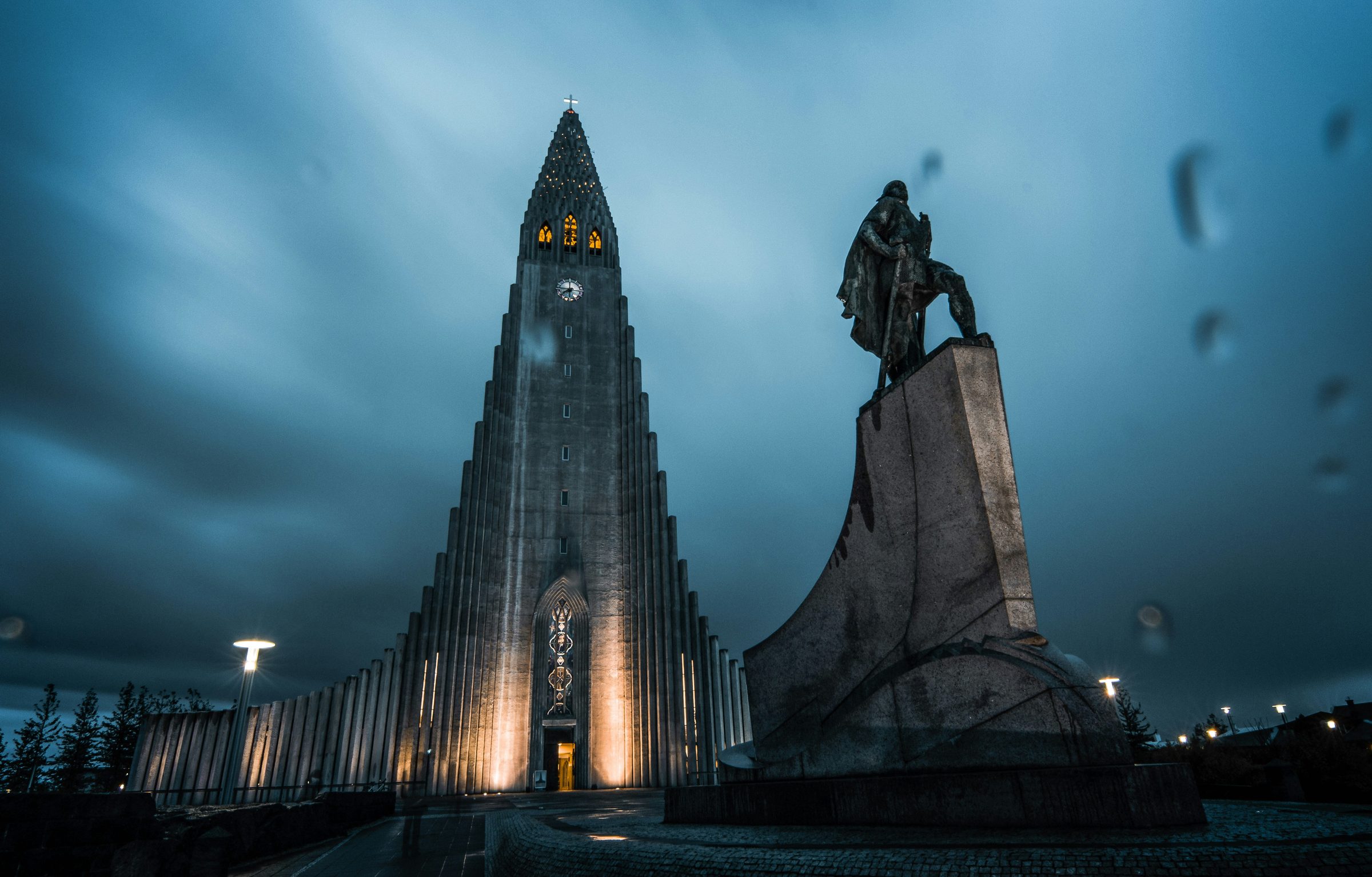
Land at Keflavík (KEF), pick up your car, and drive ~50 minutes to Reykjavík. If you are landing early, an optional first stop is the Blue Lagoon on the way in — it is genuinely well placed for a post-flight soak before checking in. Settle in, then walk the 101 area: Hallgrímskirkja, Laugavegur, the Old Harbour. Eat somewhere with a handwritten menu, not a hawker outside.
If you arrived late, skip the airport-area stops and head straight to Reykjavík. Tomorrow is the first long day.
Sleep: Reykjavík (101 area for easy walking).
Drive time: 50 minutes from KEF.
Useful guides: Reykjavík & the capital region · 101 Reykjavík food & nightlife
Day 2 — Golden Circle to South Coast
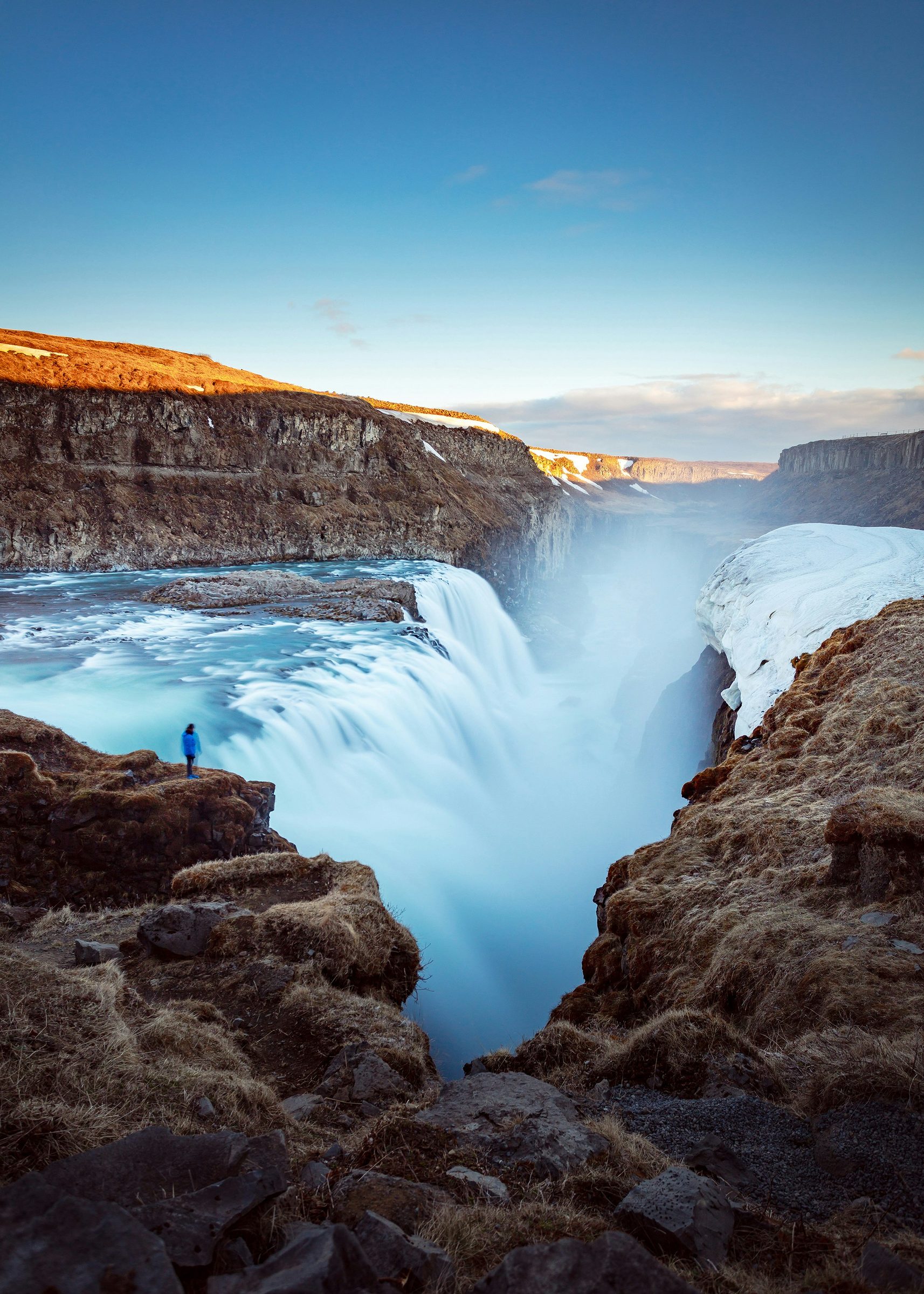
Big day. Leave Reykjavík around 8am to beat the tour buses. First stop is Þingvellir National Park — walk the rift valley between the tectonic plates and the site of the original Icelandic parliament. Then Geysir geothermal area to watch Strokkur erupt (every 5–10 minutes), and Gullfoss waterfall, which is more powerful than photos suggest.
From Gullfoss, drive south to join the Ring Road and continue to Vík. Optional stops on the way: Kerið crater (small entry fee, worth 20 minutes), Seljalandsfoss waterfall (you can walk behind it), and Skógafoss if you have light left. Otherwise, save them for tomorrow morning.
Sleep: Vík or just east (Hotel Kría, Hotel Vík í Mýrdal, or guesthouses).
Drive time: ~4–5 hours total (Reykjavík → Vík via Golden Circle ≈ 320 km).
Useful guides: The Golden Circle guide
Day 3 — South Coast Highlights
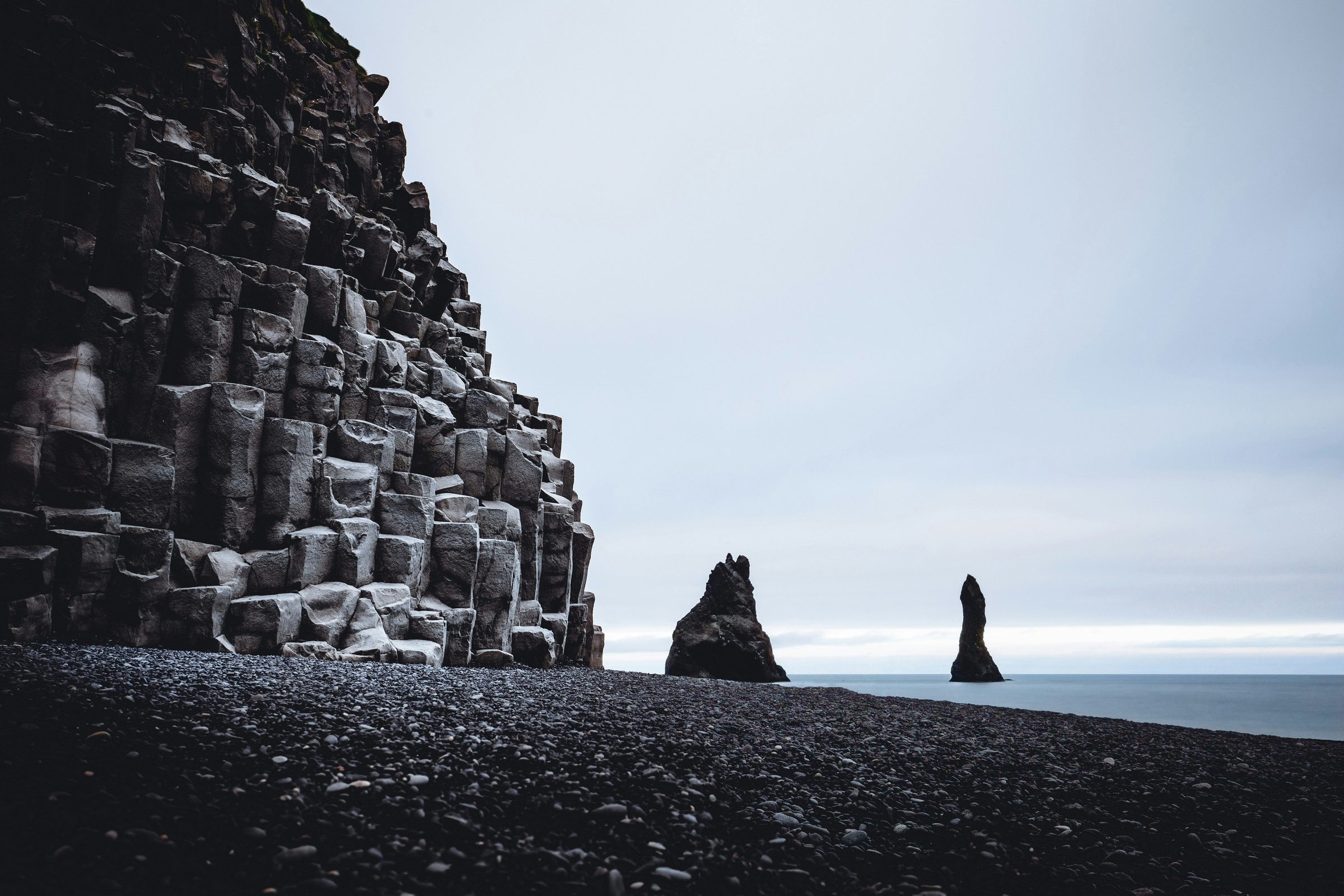
The South Coast at its best. Start with Reynisfjara — the black sand beach with basalt columns and the famous sea stacks — but respect the sneaker-wave warnings (people die here every year by standing too close to the water). Walk up to Dyrhólaey for the cliff views and, in summer, puffins.
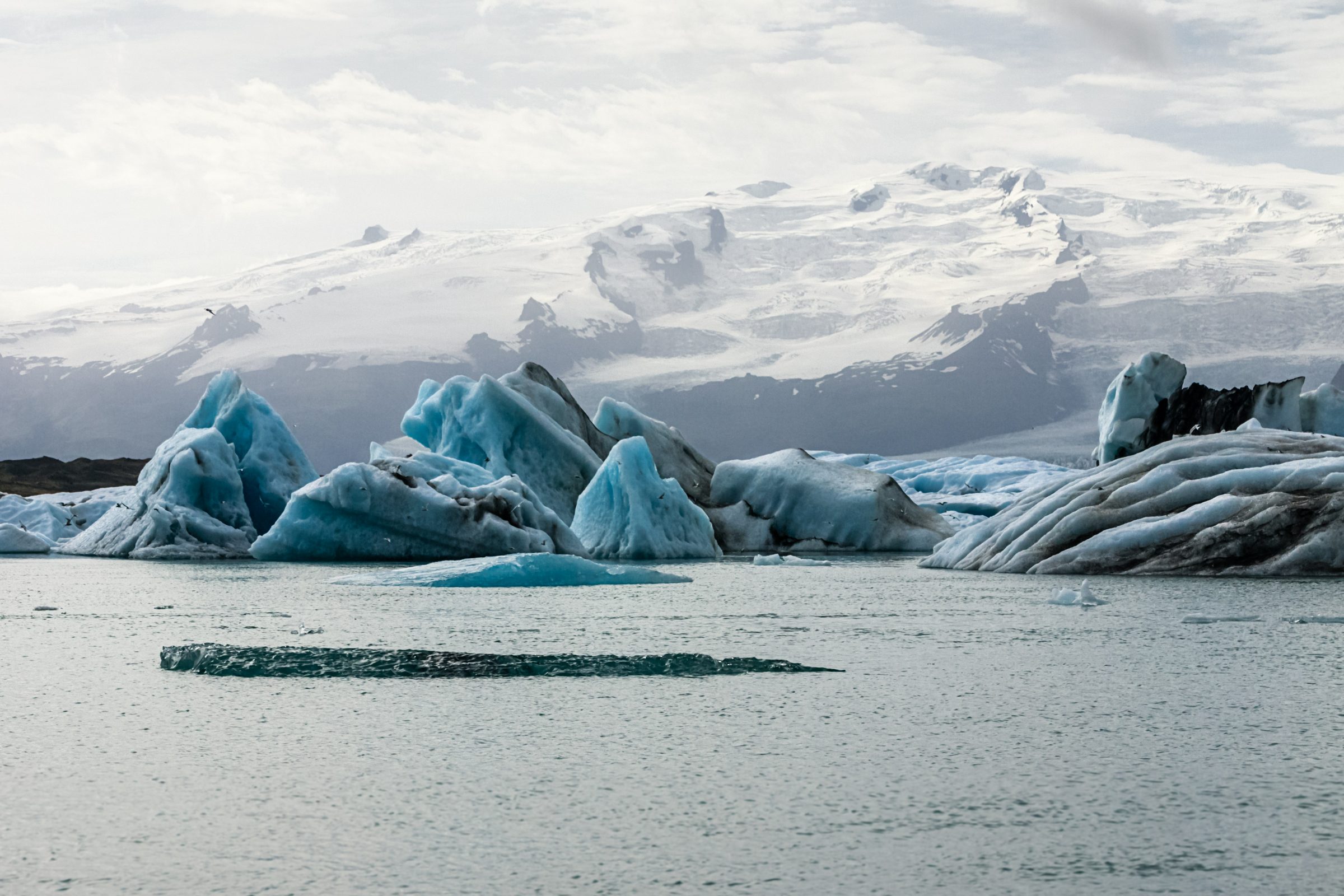
Then the long but spectacular drive east along the coast: glacier views of Mýrdalsjökull and Vatnajökull, lava fields, and the approach to Jökulsárlón glacier lagoon. Allow at least 90 minutes at Jökulsárlón — walk the shore, cross the road to Diamond Beach where ice chunks wash up on black sand. A boat tour on the lagoon adds another hour.
End the day in Höfn, the small fishing town that calls itself Iceland's langoustine capital. Eat langoustine for dinner.
Sleep: Höfn.
Drive time: Vík → Höfn via stops ≈ 4–5 hours of driving over the day.
Useful guides: South Coast Iceland · Jökulsárlón complete guide
Day 4 — Höfn to the East Fjords
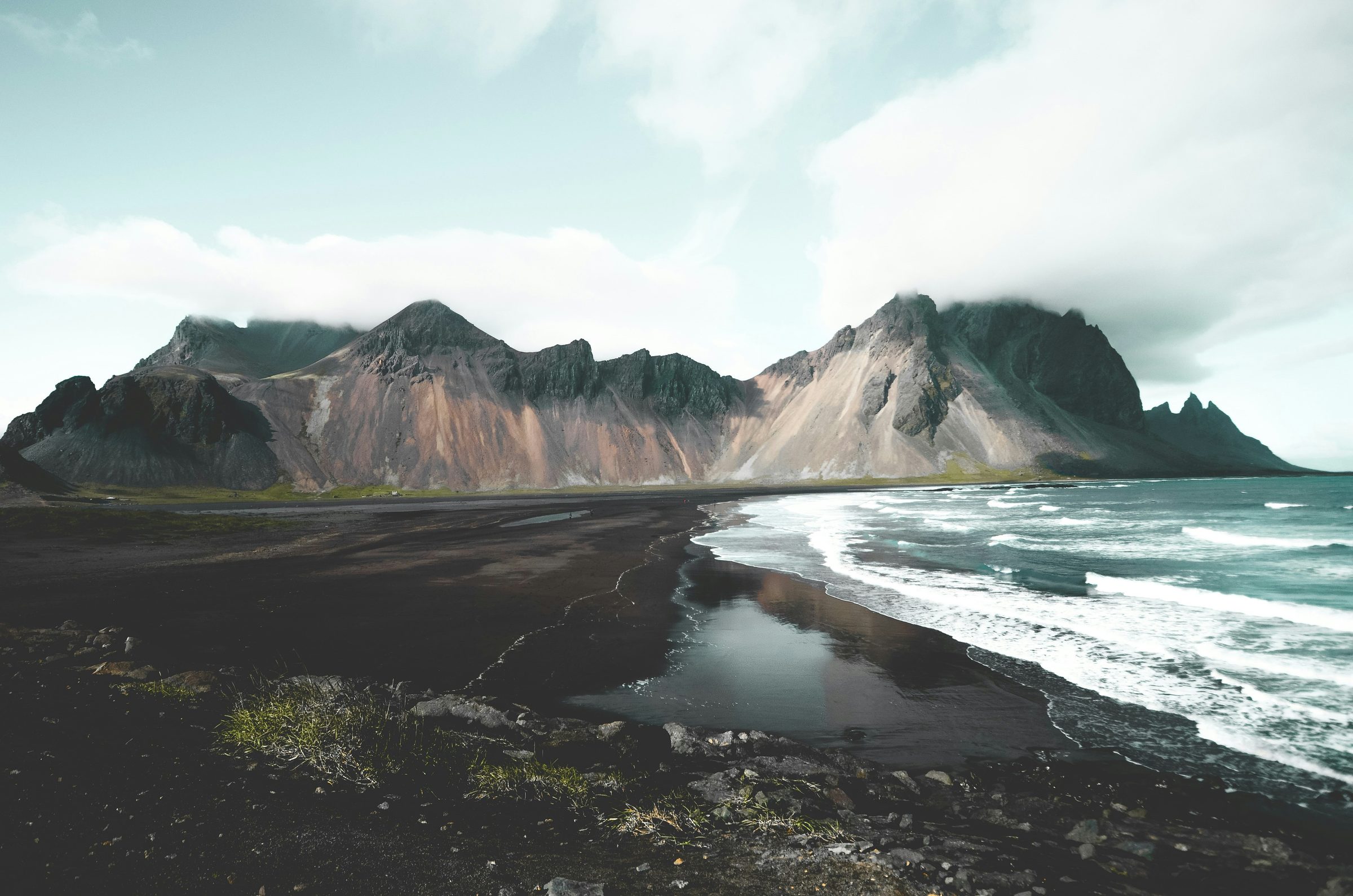
One of the most beautiful and least crowded driving days in the country. First, the short detour to Vestrahorn (Stokksnes) — a dramatic black-sand peninsula with a jagged mountain backdrop, possibly the most photographed mountain in eastern Iceland. There is a small entry fee at the Viking Café gate (about 900 ISK) and it is worth every krona.
Then continue around the East Fjords. The Ring Road threads along the coast through small fishing villages: Djúpivogur, Breiðdalsvík, Stöðvarfjörður (worth a stop for the Steinasafn Petru rock collection), Fáskrúðsfjörður. The fjord drives are spectacular and traffic is minimal.
End the day in Egilsstaðir, the unofficial capital of the East. Quieter than the other Ring Road towns but a useful base. Worth a detour from Egilsstaðir: the colourful little town of Seyðisfjörður (~30 minutes by mountain road), one of the most photogenic settlements in Iceland.
Sleep: Egilsstaðir (or Seyðisfjörður if you want the detour town).
Drive time: ~4 hours of driving plus stops.
Day 5 — Across the North to Mývatn
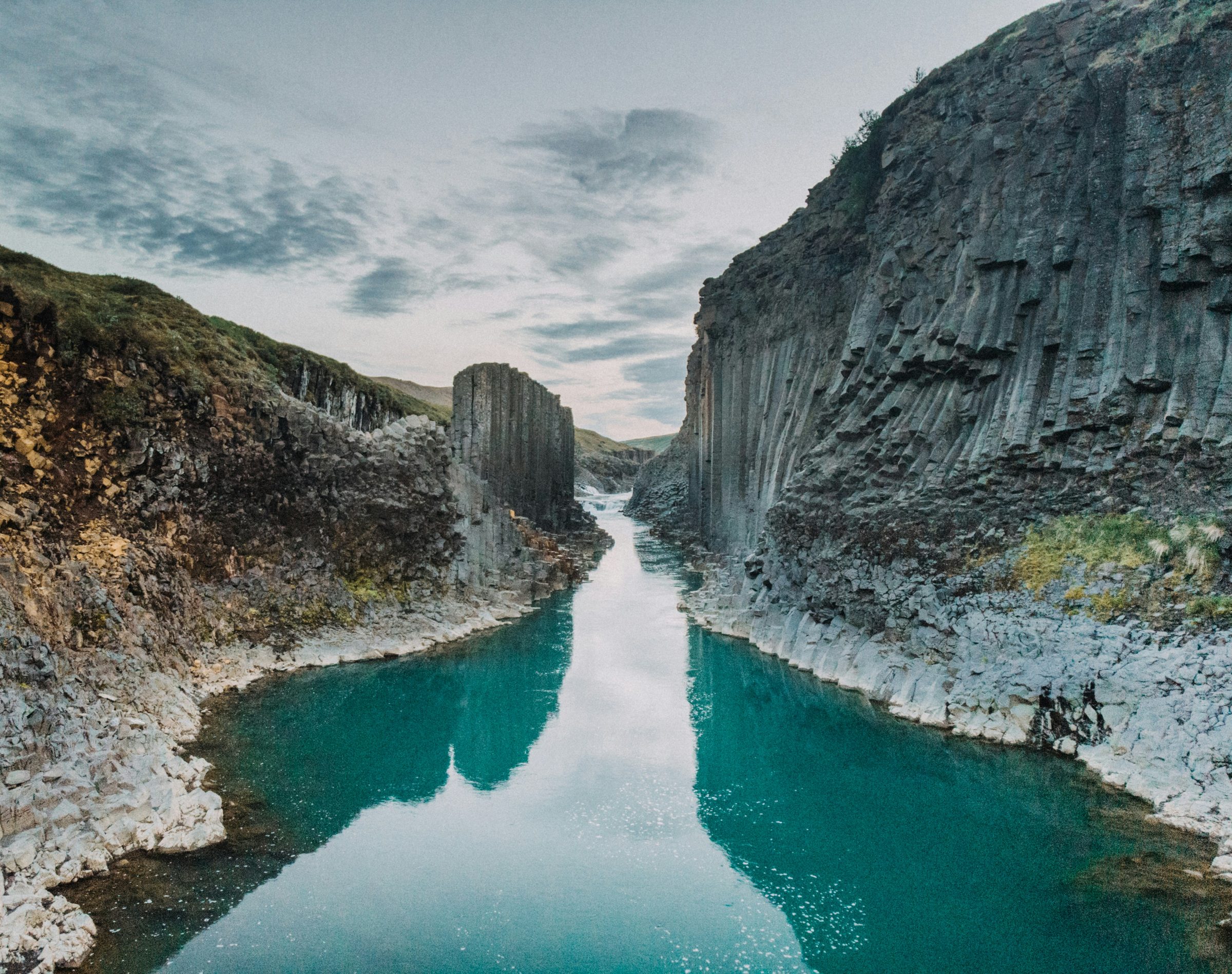
The day you cross the empty middle of the country. Two main stops: Stuðlagil canyon (basalt columns in turquoise water — a recent discovery that became famous when a dam upstream lowered the water level) and Dettifoss, Europe's most powerful waterfall by volume. Approach Dettifoss from the west side (Route 862) for the best viewpoint and a paved road.
End the day at Mývatn — a shallow volcanic lake surrounded by craters, lava fields, geothermal areas, and one of the most unusual landscapes in the country. The Mývatn Nature Baths are the local alternative to the Blue Lagoon: smaller, cheaper, fewer tourists. A good evening soak after a long drive.
Sleep: Mývatn area (Reykjahlíð) or push 60 min further to Akureyri.
Drive time: ~3.5–4 hours plus generous stops.
Day 6 — Mývatn to Akureyri & the North
A shorter driving day, finally. In the morning explore the Mývatn area properly: the pseudo-craters at Skútustaðir, the lava field walk at Dimmuborgir, the steaming Hverir geothermal area, and the climb up Hverfjall crater (45 minutes round trip). Pick two or three depending on energy.
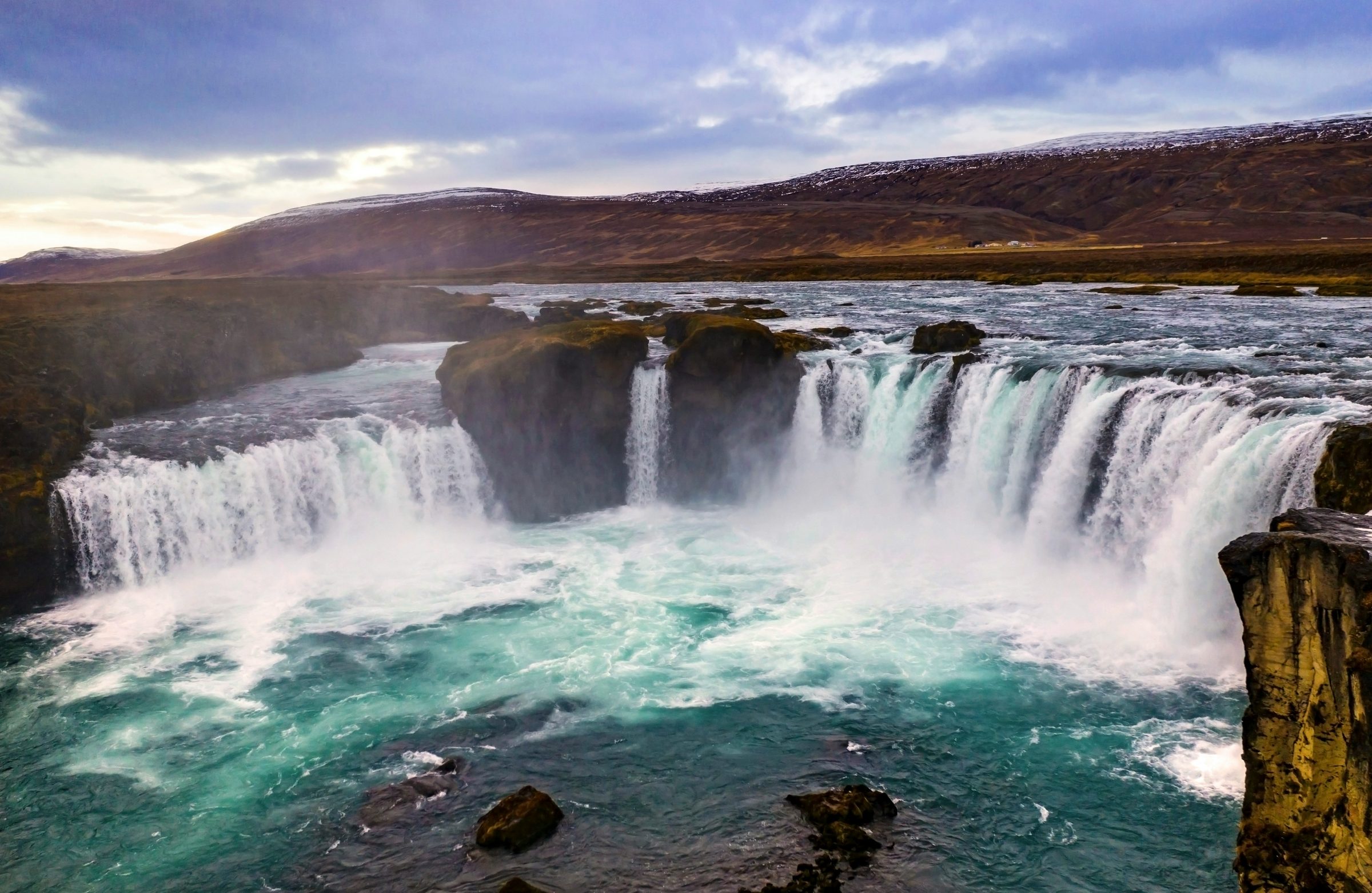
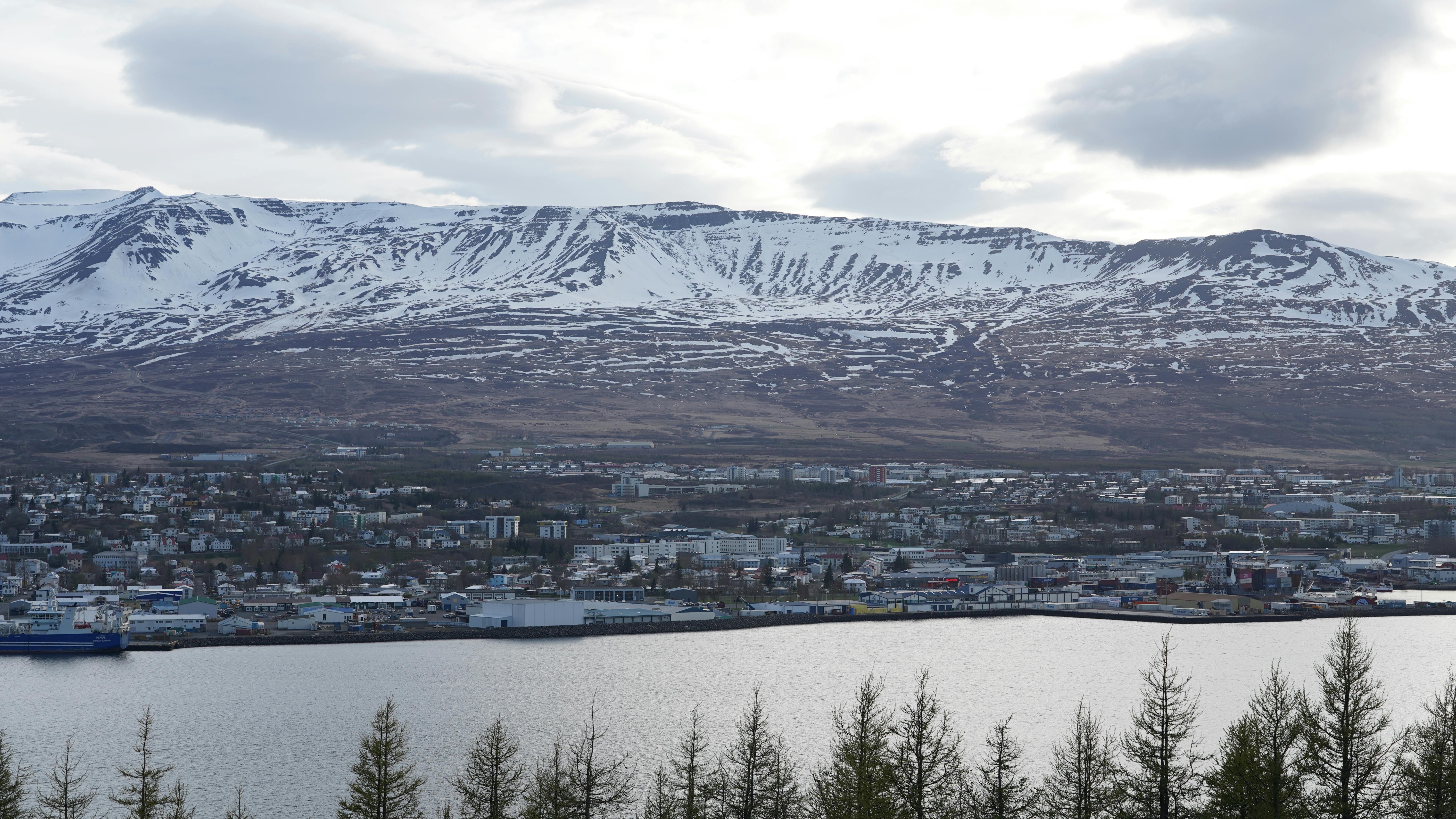
Drive west to Goðafoss — the wide horseshoe-shaped "Waterfall of the Gods" — and on to Akureyri, Iceland's northern capital. Visit Akureyrarkirkja, walk the botanical garden, and either eat seafood at Strikið or get the famous Brynja soft-serve ice cream. Optional add: a whale-watching trip from Hauganes if you have time.
Sleep: Akureyri.
Drive time: ~2 hours plus stops.
Useful guides: Akureyri & North Iceland
Day 7 — Akureyri Back to Reykjavík
The longest pure-driving day. Akureyri to Reykjavík is about 388 km on the Ring Road, roughly 4.5 hours non-stop. Useful breaks along the way: the small town of Blönduós, the Hvítserkur sea stack (short detour off Route 711, looks like a drinking dragon), and the gas-station town of Staðarskáli. Closer to Reykjavík, the Borgarfjörður area has Deildartunguhver (Europe's most powerful hot spring) and Hraunfossar waterfalls — worth a stop if you have flight time to spare.
Aim to be back in Reykjavík by mid-afternoon. If your flight is the next morning, this gives you an evening to drop off gifts at Skólavörðustígur, eat one last good meal, or hit a sundlaug. If your flight is same-day, plan to be at Keflavík at least 2.5 hours before departure — the airport drive is 50 minutes from Reykjavík.
Sleep: Reykjavík (or fly home).
Drive time: ~5 hours including breaks.
Variations Worth Considering
The 7-day Ring Road works for most travellers, but a few common adjustments:
- Travelling with kids? Cut Stuðlagil (long detour, big drop), spend an extra night in Mývatn (lots of short hikes), and add a horse riding stop near Akureyri. Skip the longer driving days where possible — kids and 5-hour drives do not mix.
- Want to slow down? If you can spare 8–9 days, add a night in Höfn (so Day 4 is shorter) and a night in the Mývatn area. The extra two nights make a real difference.
- Have 10 days? Add Snæfellsnes Peninsula on Days 8–9 (one full loop day plus an overnight in Stykkishólmur or Grundarfjörður) — see the Snæfellsnes guide.
- Want the Westfjords too? You need 12+ days. The Westfjords cannot be done justice in 1–2 days — see the Westfjords guide.
- Coming in winter? Do not do this full route in winter. Stick to Reykjavík → Vík → Jökulsárlón as a 4–5 day plan. The eastern half of the Ring Road can close for days at a time in storms. See the Iceland in winter guide.
One full free day in Reykjavík at the end (or at the start) is genuinely valuable. Weather delays, exhaustion from long drives, or just wanting to see a museum will use it up fast. A 7-day trip with no buffer can feel like work; a 7-day trip with one slow day feels like a holiday.
What This Trip Costs
Approximate budget for a couple in summer 2026, in USD:
- Accommodation (6 nights, mid-range): $1,500–2,500
- Car rental + fuel (small 2WD, full insurance, ~1,600 km): $800–1,200
- Food (~2 restaurant meals + 1 grocery/bakery per day): $800–1,200
- Activities (Jökulsárlón boat, one lagoon, whale watching, entry fees): $400–700
- Total: roughly $3,500–5,600 for two, excluding flights
You can cut this significantly by camping (see the camping section of the Iceland in summer guide), self-catering more meals, or travelling outside peak July–August. For deeper budgeting strategy see the Iceland budget tips guide.
7-Day Iceland FAQ
Is 7 days enough to see Iceland?
Yes — seven days is enough to drive the full Ring Road and see the major highlights without rushing every day. Ten days is more comfortable. Five days or less means you should skip the Ring Road and focus on Reykjavík plus the south.
Should I drive clockwise or counter-clockwise?
Counter-clockwise (this itinerary). You hit the busiest sights early, end with shorter drives, and the south often has the more reliable weather in the morning.
Can I do this in winter?
Not really — winter Ring Road trips in 7 days are stressful and weather-dependent. A safer winter plan is Reykjavík → South Coast → Jökulsárlón → back, with no eastern half. See the Iceland in winter guide.
Do I need a 4×4?
Not for this itinerary in summer. A small 2WD handles the entire Ring Road. You only need a 4×4 if you want to add the highlands (Landmannalaugar, Þórsmörk) — which this 7-day plan does not include.
Where should I start the Ring Road from?
Reykjavík. Almost all flights land at Keflavík and most rentals are picked up there or in Reykjavík. You could technically start from Akureyri if you flew domestically, but starting from Reykjavík is overwhelmingly the standard.
The Bottom Line
Seven days is enough for Iceland to feel complete without feeling rushed. You will drive a lot — about 22 hours behind the wheel across the week — but the country rewards that driving with one extraordinary landscape after another. Book the car and the small-town hotels early, leave room for at least one slow day, and trust the rough rhythm above: long drives broken by long stops at things that take your breath away.
If you only have time for one Iceland trip in your life, this is the one to do.