Iceland is not a difficult country to drive in — the roads are mostly quiet, the signage is clear, and the Ring Road is paved. But there are a handful of local rules and habits that tourists routinely get wrong, and the mistakes tend to be expensive. Doors ripped off by wind. Speeding tickets that arrive by post two months after you fly home. Rental insurance voided because you parked on the shoulder. Off-road fines that start at 350,000 ISK.
This is a local's list of the 15 driving mistakes we see most often, ordered roughly by how much they cost — either in money, in danger, or in wasted holiday time. If you read one guide before you turn the key on your rental, make it this one.
Check road.is every morning of your trip. It shows road closures, gravel status, wind warnings, and the state of every F-road in real time. Weather in Iceland changes hourly; the app is how locals decide whether to drive.
1. Getting the roundabouts wrong
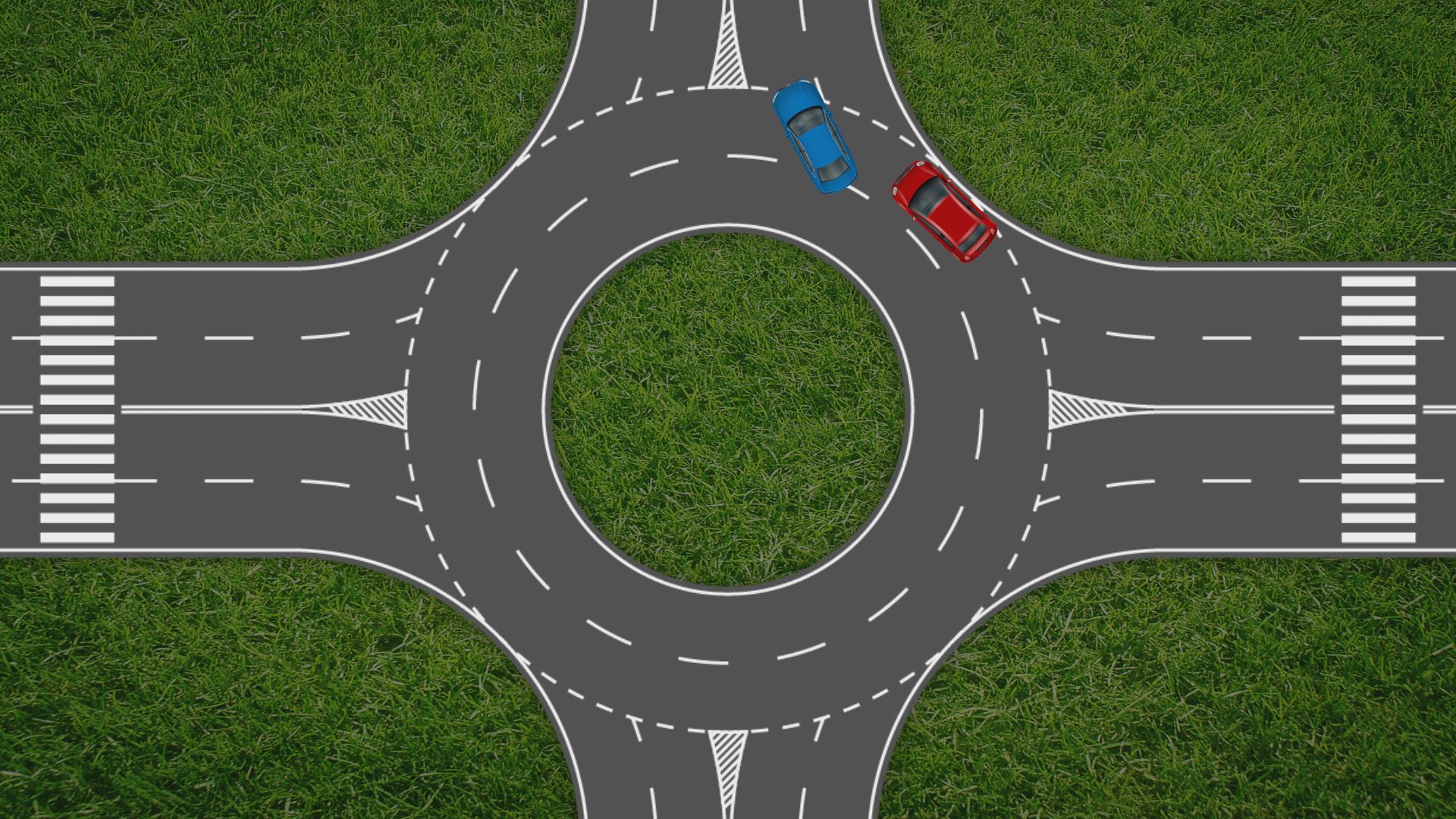
Icelandic roundabouts follow a rule that surprises most visitors: in a two-lane roundabout, the inner lane has priority. Cars in the inner lane may exit at any time, and the outer lane must yield when they cross. This is the opposite of the rule in the UK, Germany, and much of continental Europe.
What this means in practice at a Reykjavík roundabout (e.g. Miklabraut/Kringlumýrarbraut, or the ring around Reykjavík Airport):
- If you are turning right (first exit): use the outer lane, signal early.
- If you are going straight or turning left: use the inner lane. You have priority when you exit.
- If you are in the outer lane and someone in the inner lane starts to exit across you: you yield, even if you got there first.
Signal every exit. Locals do — because they cannot tell what you plan to do otherwise, and Icelandic roundabouts have surprisingly high collision rates for tourists.
2. Parking on the shoulder
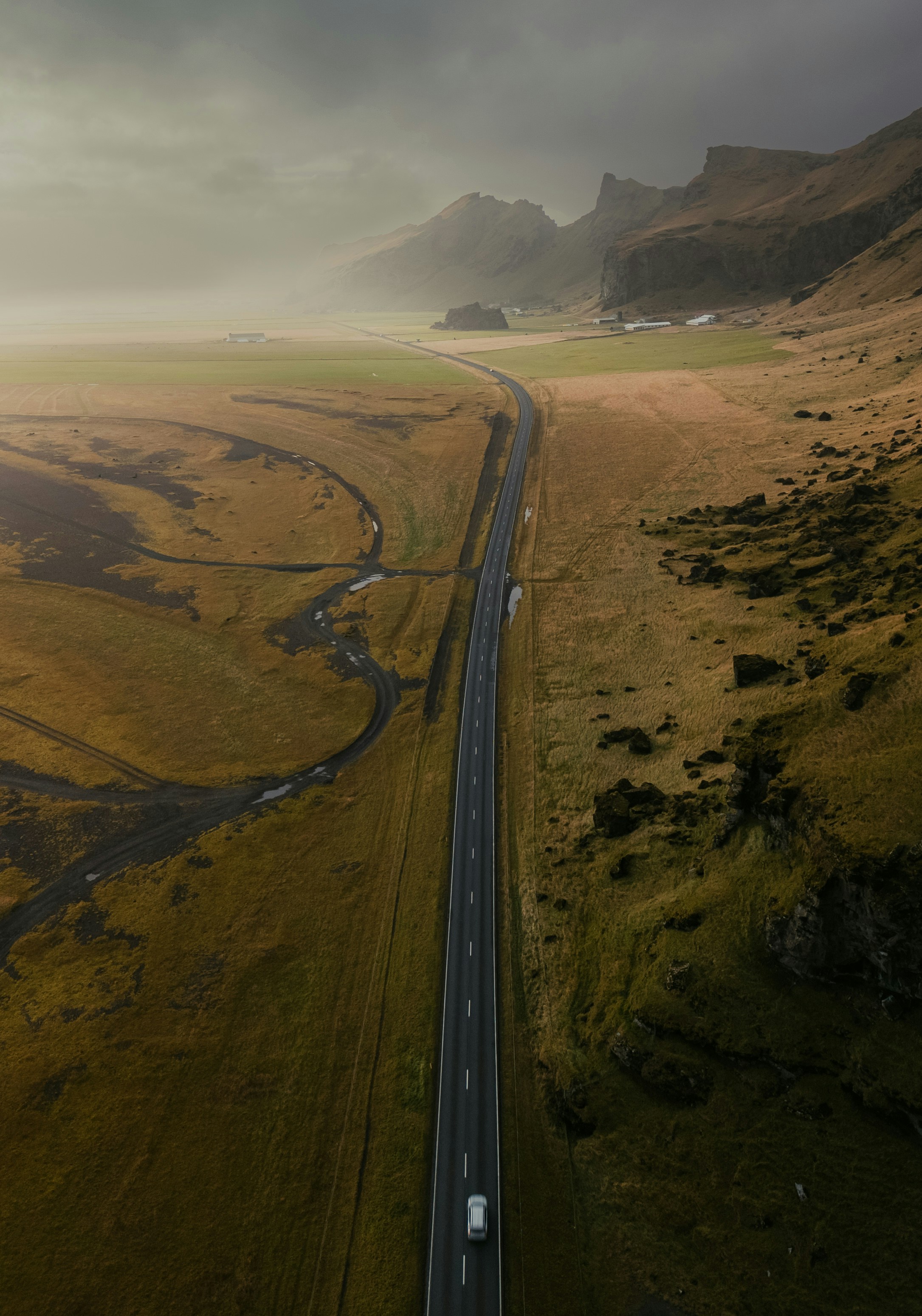
The single most dangerous habit tourists develop in Iceland is stopping on the shoulder of the Ring Road to take a photo of a horse, a mountain, or a rainbow. This is illegal, uninsured, and every summer someone dies from it. A car doing 90 km/h on the Ring Road does not expect a stationary vehicle in the shoulder, and there is often no place to swerve.
What to do instead:
- Use the marked útskot (pull-outs) — small paved bays that appear every few kilometres for exactly this purpose.
- Turn off onto a numbered side road even briefly.
- If neither exists nearby, keep driving. The photo you would have taken is probably going to appear again in five minutes anyway.
Rental car insurance policies specifically exclude damage caused by parking outside marked areas. Get rear-ended standing in a shoulder and the entire cost falls on you.
3. Driving too slow
Locals joke that the biggest hazard on the Ring Road in July is not the weather but tourists cruising at 50 km/h on a 90 km/h road because they want to look at the view. It sounds harmless, but it is not:
- Queues of five or ten cars build up quickly on Iceland's mostly single-lane rural roads.
- When those queues eventually get frustrated and try to overtake on a blind stretch, that is where fatal head-on crashes happen.
If you want to drive slowly and enjoy the landscape, that is fine — pull over into an útskot every couple of kilometres and let the traffic behind you pass. It takes 10 seconds. It is also the actual law: Iceland's road code requires you to yield to overtaking traffic if you are travelling well below the limit and cars have built up behind you.
4. The wind-and-door mistake
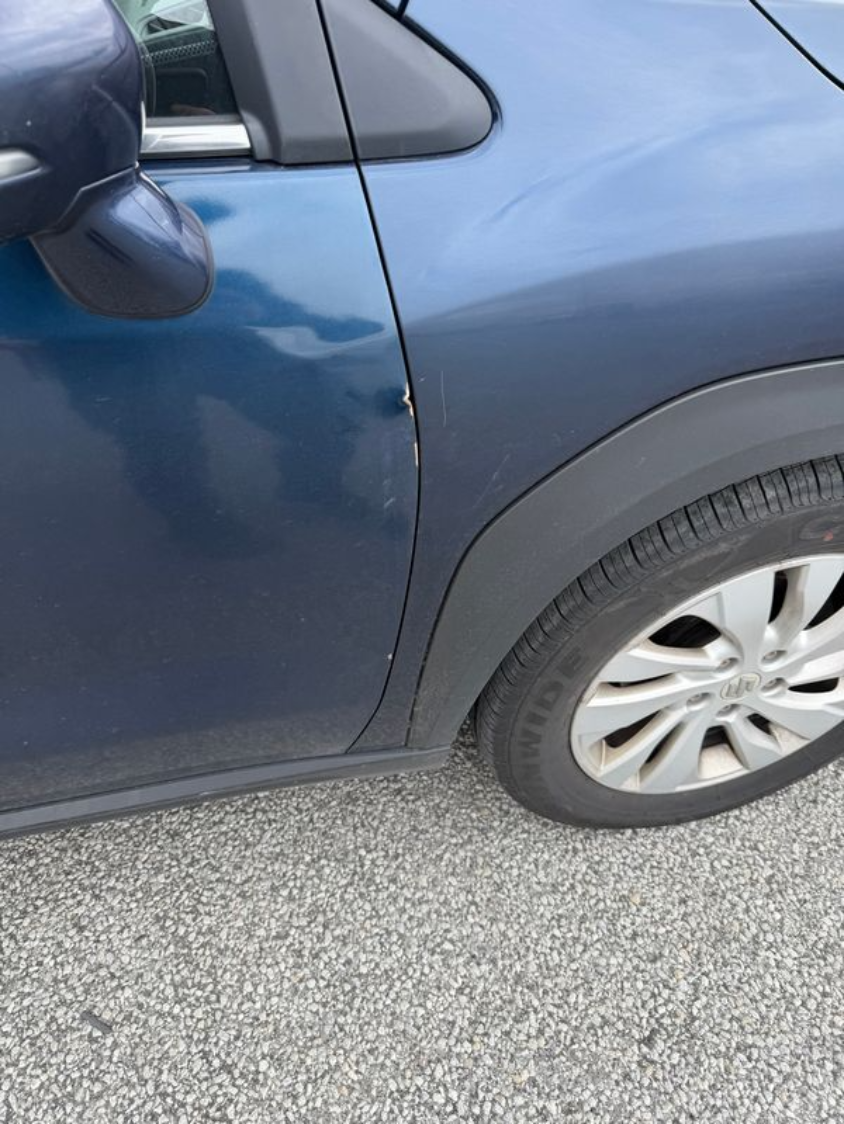
Almost every rental company in Iceland has a story about a tourist who opened the car door in a gust of wind on the South Coast, watched the door bend backwards past its hinge, and left with a repair bill of €1,500–3,000. It is not covered by any insurance sold in Iceland.
The rule is simple: on any windy day (which is most days), hold the door tightly with two hands, open it a few inches, and check the gust before letting it swing. On very windy days, get out of the passenger side if that side is downwind, or wait five minutes for the gust to drop.
Anything over ~20 m/s (roughly 45 mph) will start bending doors. The vedur.is weather forecast shows wind speed for every part of Iceland. If you see red warnings, plan your stops to face away from the wind and get out on the leeward side.
5. Racing onto single-lane bridges
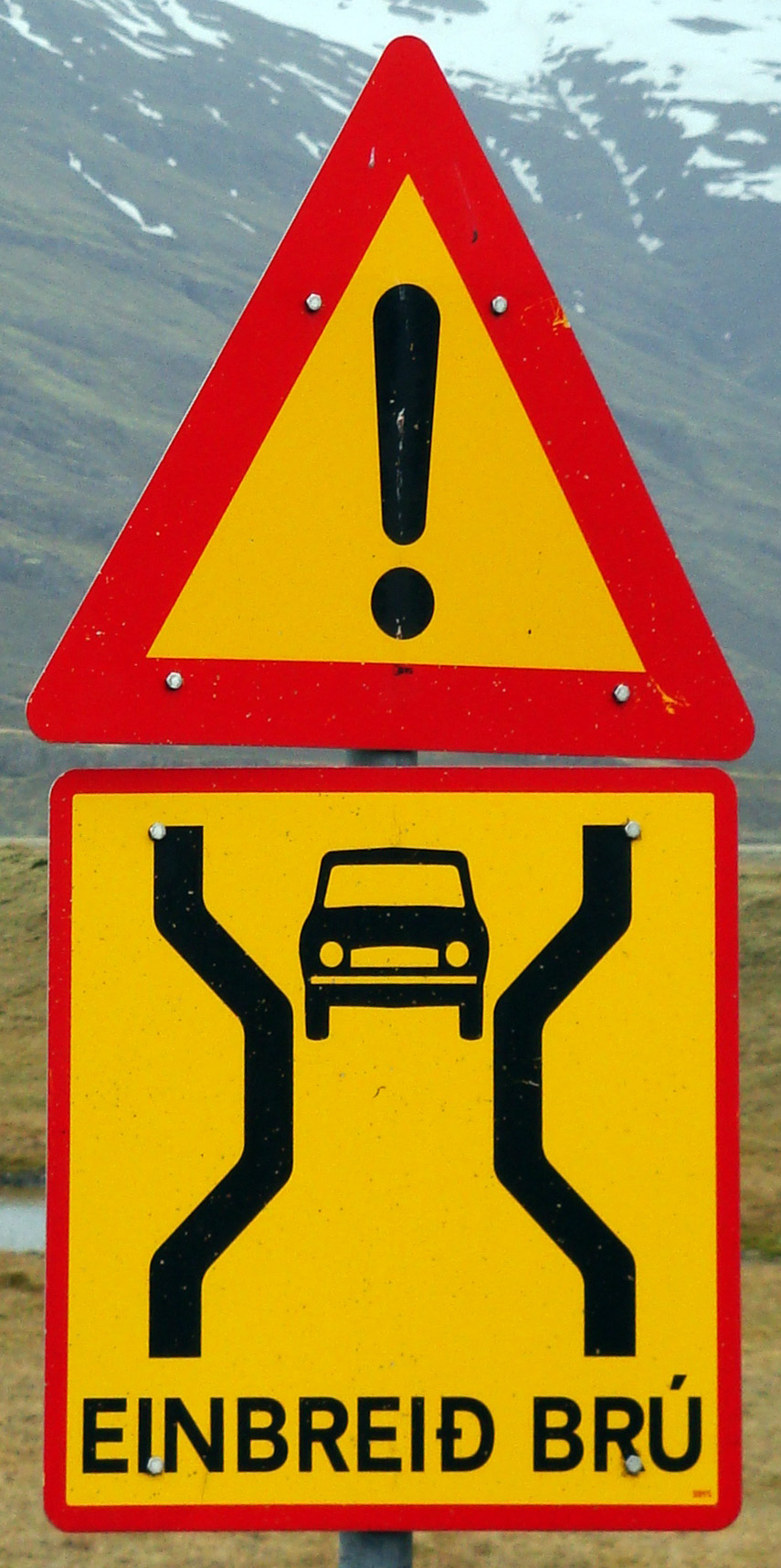
Iceland's rural road network still has many einbreið brú — single-lane bridges — marked with a yellow diamond sign showing a bridge outline. The rule is straightforward: the first vehicle to arrive has right of way.
Tourists get this wrong by:
- Racing to reach the bridge first when they can clearly see an oncoming car is closer.
- Not slowing down until it is too late, then panicking on the bridge itself.
- Assuming the bigger vehicle wins. It does not.
What to do: as soon as you see the yellow sign, drop your speed, judge the oncoming car, and either commit clearly or pull over just before the bridge to let it pass. Never stop on the bridge itself.
6. Not driving with headlights on
Icelandic law requires headlights on 24 hours a day, year-round. Even in July at 2pm with the sun overhead. Almost all modern rental cars do this automatically as daytime running lights, but a few older Icelandic rentals leave it to the driver, and it is easy to forget.
Fines are small (~5,000 ISK) but real, and rental companies pass them on with an admin fee. Check your headlights are on every time you start the car until it becomes muscle memory.
7. Speeding over blind hills
A blindhæð is a hilltop where you cannot see the road on the other side because the crest is high enough to hide oncoming traffic. Many Icelandic rural roads narrow slightly at the top of a blind hill, which means oncoming cars can appear to be in your lane.
You will see yellow warning signs before every blindhæð on numbered roads. When you see one:
- Reduce speed clearly — well below the posted limit.
- Keep well to the right.
- Do not overtake.
- Assume a large truck could be cresting the other side.
8. Driving off the marked road
Off-road driving — utanvegaakstur — is illegal everywhere in Iceland. This includes:
- Turning off onto a gravel spur "just for a photo".
- Driving across black sand plains because they look flat and open.
- Cutting corners on rough gravel roads.
- Any tyre track on undisturbed moss, sand, or gravel outside the marked route.
Fines start at 350,000 ISK (about US$2,500) and go up sharply for larger areas of damage. Rangers actively patrol popular areas, especially around the highlands and South Coast. The moss you flatten with one tyre track takes decades to recover.
9. Standing in the road for photos
Route 1 has stretches — especially near Vík, along the South Coast, and around Mýrdalssandur — where the road runs perfectly straight through a landscape that photographs like a poster. Every summer, tourists stop in the middle of the road, get out, and stand on the tarmac to take a photo down the vanishing point.
Icelandic drivers routinely cover the last kilometre before Vík at 90 km/h. They come around a bend to find a tourist standing on the centre line with a phone. People have been killed doing this. If you want the shot, use an útskot, keep your vehicle safely off the road, and take the photo from the shoulder — not from the middle of Route 1.
10. Not checking road.is
Icelandic weather changes hour by hour. A road that was clear at 8am can be closed by wind or drifting snow at 2pm. Every experienced driver in Iceland checks the government road-conditions website — road.is — before leaving.
It shows:
- Live road status (open, difficult, impassable, closed).
- Wind speed warnings by segment.
- All F-road open/closed status.
- Live webcams on many major routes.
In winter, check it before every leg of your trip — not just once a day. See the Iceland in winter guide for the fuller winter driving picture.
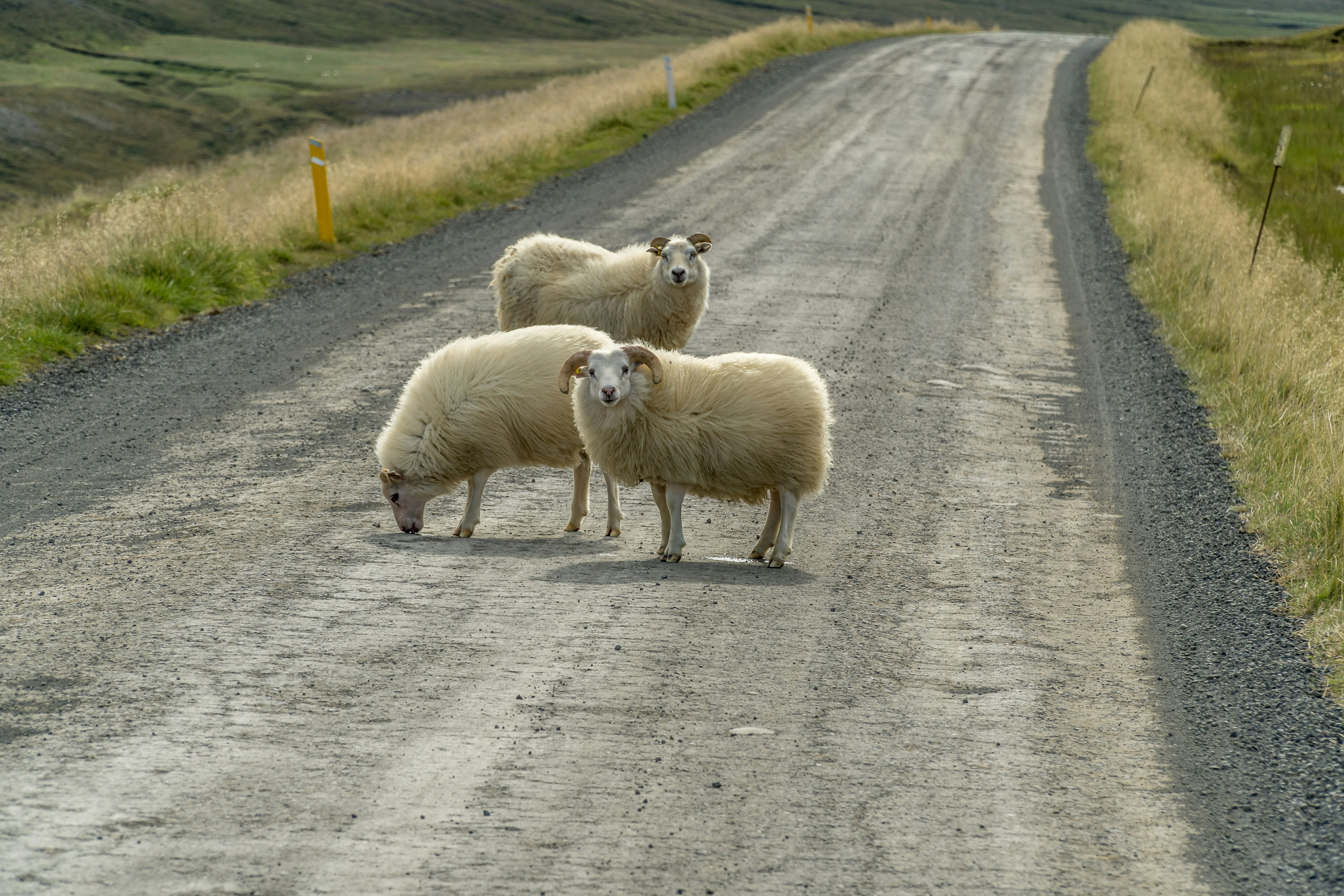
11. Not braking for sheep
From late spring to autumn, Icelandic sheep roam freely on and near almost every rural road in the country. The important thing to know: a sheep on the side of the road will often run into the road, not away from it, especially if it has a lamb on the other side.
What to do:
- Slow down significantly when you see any sheep near the road.
- Watch both sides — the lamb is usually the panic-trigger.
- Do not honk. It scares the sheep back into the road, not away.
- If you hit a sheep, stop and call 112 — the farmer will need to be notified and the sheep may need to be put down.
You are legally liable to the farmer for the value of any sheep you kill.
12. Going too fast on gravel
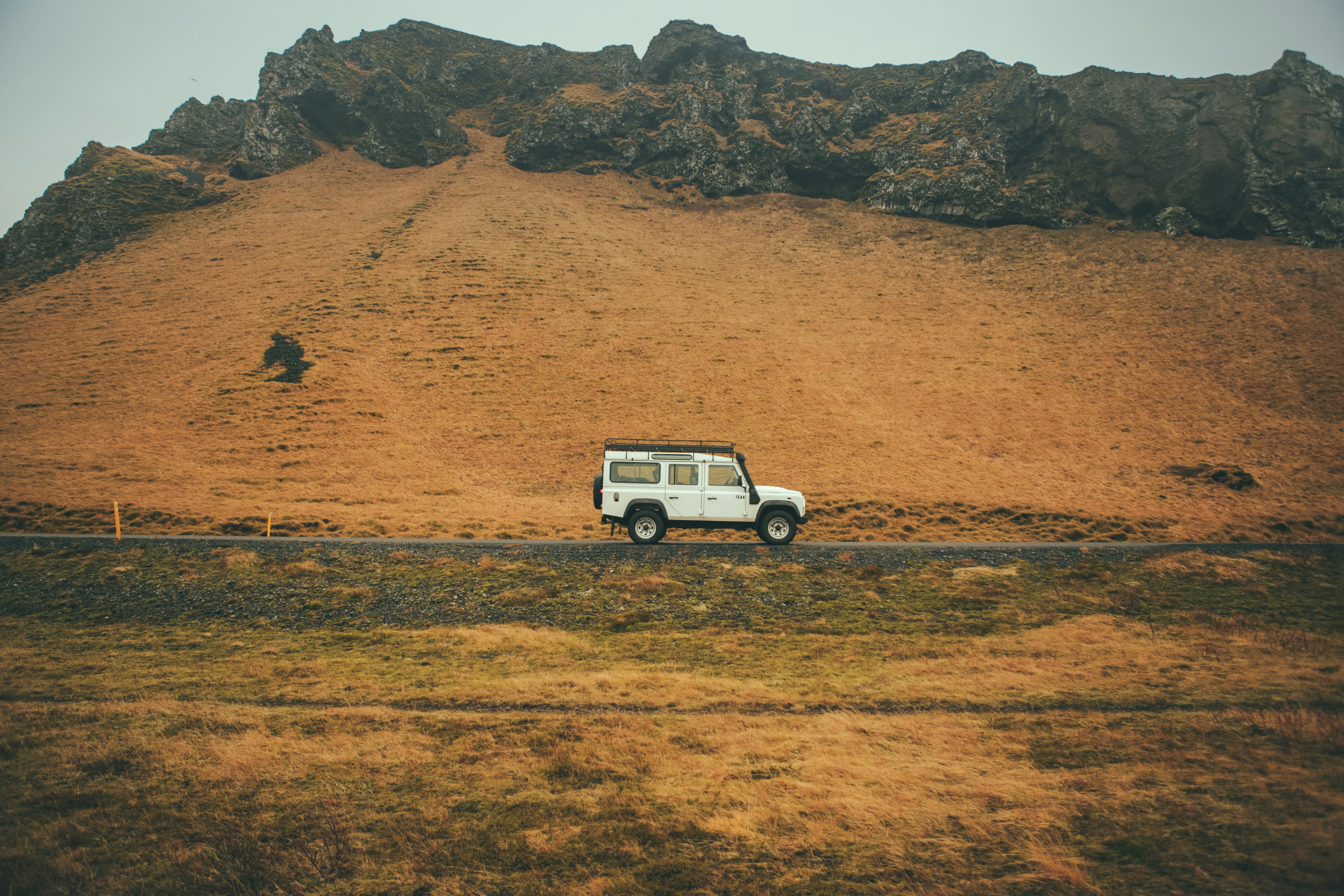
The Icelandic speed limit on gravel is 80 km/h. That is a maximum, not a suggestion. In practice, unfamiliar drivers should be doing 40–60 km/h on any gravel surface, especially:
- On corners, where gravel builds up on the outer edge and turns into a skid.
- On washboard sections, where the whole car starts to float.
- At the transition from tarmac to gravel — do not brake hard on the gravel; brake before it.
Rolling a rental car on gravel is one of the most common insurance claims in Iceland. If the car does start to slide, do not stab the brakes — ease off the accelerator, steer into the slide gently, and let the car recover.
13. Ignoring speed cameras
Iceland has fixed speed cameras on many stretches of the Ring Road and around Reykjavík. Tourists often assume the fines will never reach them because they will fly home before the mail arrives. They will not.
What actually happens:
- The camera photographs the number plate.
- Two months later the fine is sent to the rental company.
- The rental company charges the fine to your card plus a 5,000–8,000 ISK admin fee.
- You find out when you look at your card statement.
Icelandic speeding fines are steep. 10–20 km/h over the limit is roughly 20,000 ISK; 30 km/h over is closer to 50,000 ISK. Watch the signs.
14. Getting stuck at self-service fuel pumps
Most Icelandic fuel stations outside Reykjavík are unmanned. You pay at the pump with a card. Two things regularly trip up tourists:
- Prepay authorisation. The pump will hold up to 20,000–30,000 ISK on your card as a pre-auth even if you only pump 5,000 ISK worth. It releases in a few days, but if you use a debit card with a low limit, plan for it.
- Cards without a PIN. Many US cards without a chip-and-PIN will simply not work at Icelandic unmanned pumps. Bring a card you know works, or top up a fuel gift card at a manned N1/Olís station.
Never let the tank drop below a quarter in rural Iceland. The next station can be 100+ km away, and if it is closed for the night in a small village, you are stuck.
15. Driving in a storm because "we booked this hotel"
The final and most dangerous mistake is refusing to give up on a driving plan when the weather has clearly turned. Icelandic winter storms can drop visibility to zero in minutes, close roads within an hour, and drift snow across a highway high enough to strand a 4×4. Every winter, tourists die in cars that got stuck in whiteouts because someone insisted on making it to the next hotel.
The rule locals use: if road.is shows red on your route, do not drive it. Full stop. Rebook the hotel. Sleep at a petrol station. Return to Reykjavík. The night's accommodation is 20,000 ISK. A search-and-rescue call-out or a totalled rental costs many multiples of that, and the risk to your life is real.
Stay in the car. Do not try to walk out. Turn the engine off periodically to save fuel but run it briefly for heat. Keep an exhaust pipe clear of snow (carbon monoxide risk). Call 112 — it works even without mobile signal via satellite fallback. ICE-SAR rescues stranded drivers every winter and they will find you.
Driving in Iceland FAQ
Can I drive in Iceland with a foreign licence?
Yes. Any EU/EEA licence works without conversion. Licences from the US, UK, Canada, Australia, New Zealand and most of Asia are accepted for tourist stays. Licences not written in Latin script (Japanese, Chinese, Arabic, Russian) technically require an International Driving Permit — most rentals do not enforce this, but it is worth carrying one to avoid trouble.
Do I need studded tires in winter?
Icelandic law requires winter tires (studded or unstudded) between 1 November and 14 April. All winter rentals come fitted with them. Do not remove them.
Are Icelandic roundabouts really that different?
Yes. The inner-lane-priority rule catches almost every first-time visitor out. If you are unsure, take the outer lane the whole way around — slower but safer.
Is it safe to drive at night in Iceland?
In summer it is fine — there is essentially no darkness. In winter the roads are darker than most tourists expect, wildlife is more active, and ice patches are common. If you can avoid winter night driving, do.
What happens if I hit a sheep?
Stop, call 112, and wait. The farmer will be notified via the emergency service. You are legally liable for the value of the animal (typically 30,000–50,000 ISK). Do not try to move a wounded sheep yourself.
The Bottom Line
Iceland is a genuinely enjoyable country to drive around. Most of these mistakes are easy to avoid once you know they exist. The two habits that will save you the most money and stress: check road.is every morning, and never open a car door in the wind without holding it with two hands. Everything else is common sense once you are looking for it.
Pair this guide with the car rental in Iceland guide (for insurance and rental logistics), the F-roads guide (for highland driving), and the parking fees guide (for city driving).