Iceland has natural hot springs scattered across the landscape: warm rivers, small stone pools, old swimming basins, highland bathing spots, and remote coastal pools that sit far beyond the normal tourist loop. They are not all the same. Some are easy walks from a parking lot. Some need a 4WD, summer roads, patience, and a willingness to turn around if the weather changes.
If you are still deciding between wild pools, local sundlaugar, and the famous lagoons, start with the full hot springs in Iceland overview. This guide is for the raw outdoor version: less polished, more weather-dependent, and often much more memorable.
Natural hot springs are not temperature-controlled. Some are pleasantly warm, some are cold, and some are hot enough to burn skin within seconds. Always test the water with your hand before getting in. Never step into a spring beside boiling mud, fumaroles, or active geothermal vents unless it is clearly marked as safe for bathing. If there is steam everywhere and no one else bathing, that is usually information.
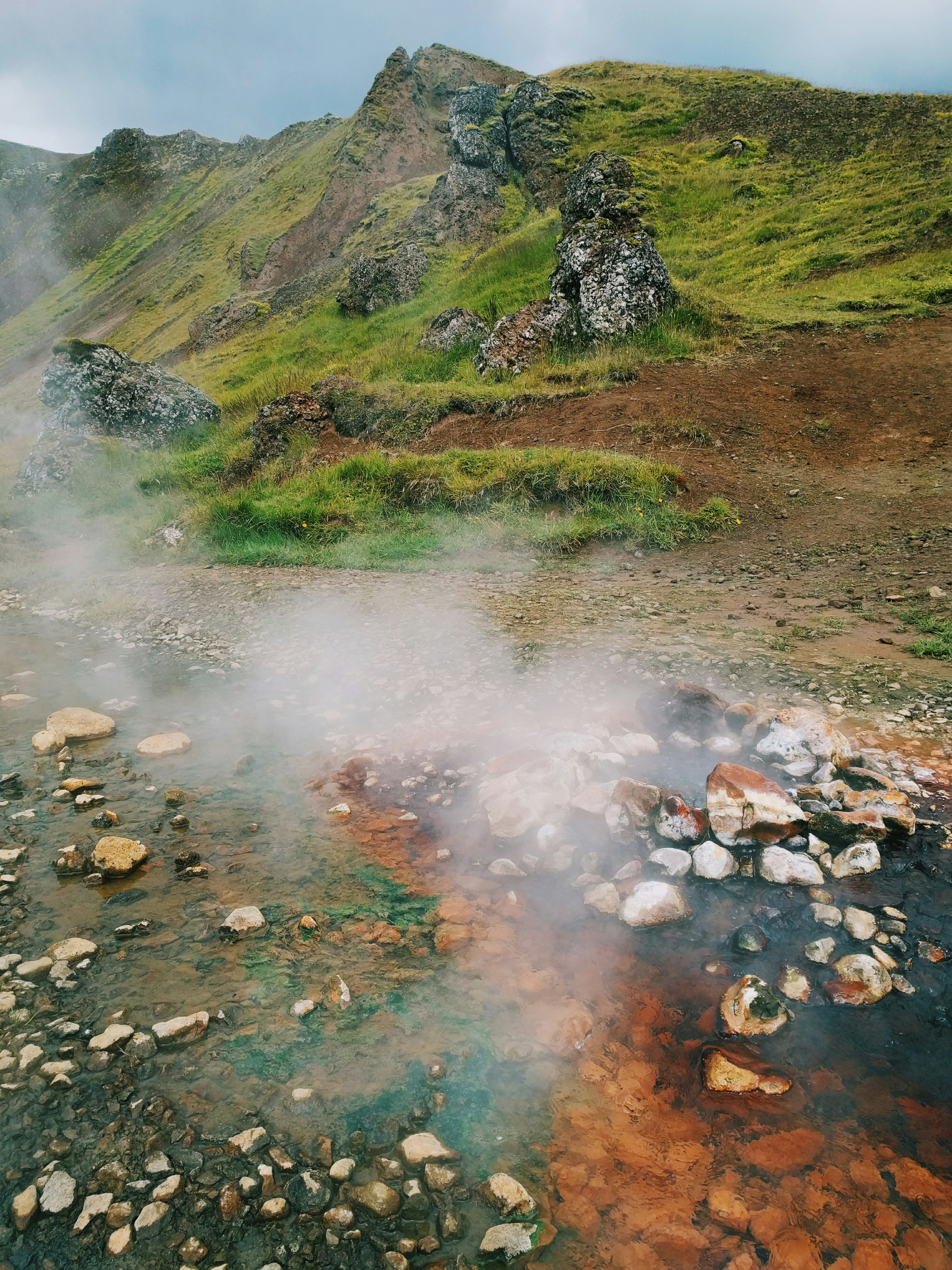
Which wild hot pot should you choose?
The best choice depends less on which one looks best in photos and more on your route, vehicle, weather, and patience. Wild hot pots are not checklist stops. They work best when they fit naturally into the day.
| Place | Best for | Access | Reality check |
|---|---|---|---|
| Reykjadalur | First-timers near Reykjav?k | 3 km hike each way | Popular, exposed, weather matters |
| Landmannalaugar | Highland scenery | Summer 4WD or bus | Remote, road conditions decide everything |
| Seljavallalaug | South Coast atmosphere | Short walk from Route 1 | Lukewarm, not always clean |
| Krossneslaug | Westfjords solitude | Long gravel-road detour | Worth it only if Strandir is already in your plan |
| Hrunalaug | Small Golden Circle detour | Easy drive, private land | Tiny, fee required, access depends on respect |
Reykjadalur: the easy classic
A 3 km hike south of Hverager?i, about an hour from Reykjav?k, leads to a geothermally heated river where you can bathe in the open air. The water temperature changes along the river: hotter upstream, cooler downstream. There are wooden changing screens along the bank, but no real facilities beyond that.
This is the most accessible wild hot spring experience in Iceland and a good first try. The trail is well marked, the parking area is straightforward, and you can do the whole outing in 3-4 hours from Reykjav?k. It is also popular. Go early, avoid fragile ground near the river, and do not walk outside the marked path in steaming areas.
Landmannalaugar: the spectacular one
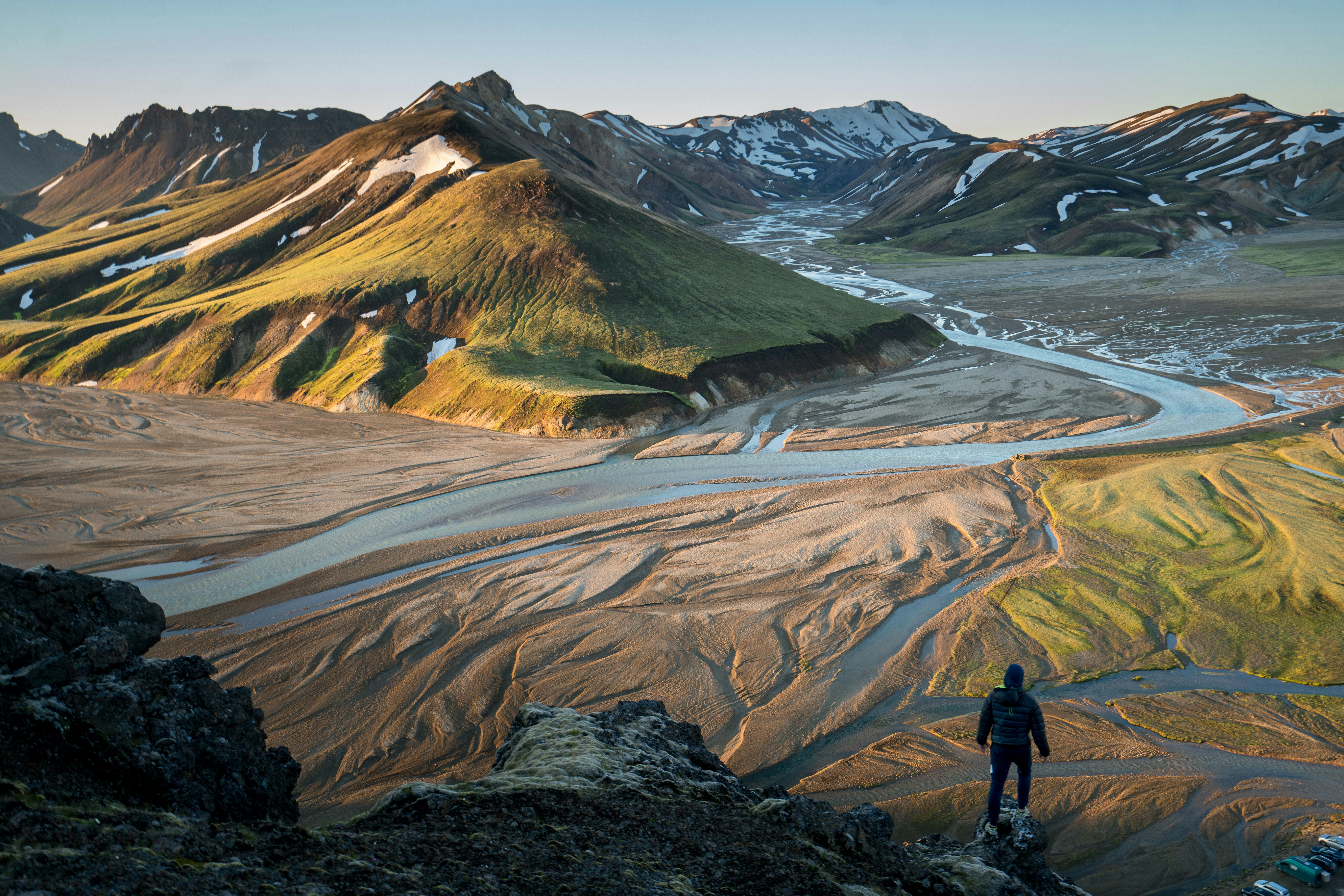
Deep in the Highlands, Landmannalaugar is where warm geothermal water mixes with a cold stream beside a lava field and rhyolite mountains. The colours around you can look unreal: red, yellow, green, black, and snow patches even in summer.
The bathing area itself is simple and shared. You do not come here for luxury; you come because the landscape is one of the most distinctive in Iceland. Access is the catch. The roads are seasonal highland roads, usually open from late June into September depending on conditions, and rental rules matter. If you are not allowed on F-roads, take a highland bus or a tour.
Seljavallalaug: the old mountain pool
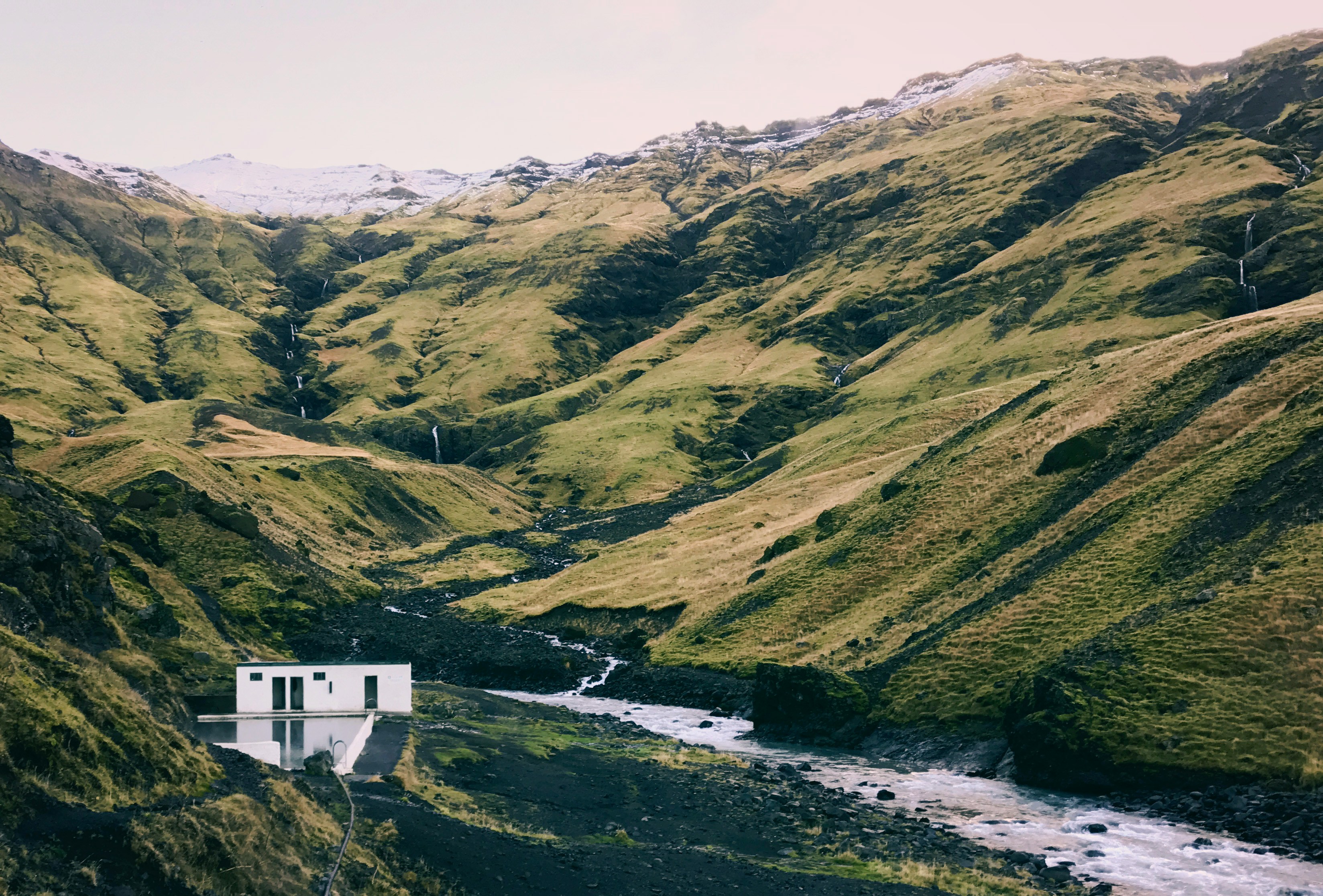
Seljavallalaug is a man-made concrete pool from 1923, fed by a natural hot spring and tucked into a green valley below Eyjafjallaj?kull. It is one of those places that looks better because it is slightly rough around the edges.
The water is lukewarm rather than hot, often around 25-30?C, so think of it as a strange mountain swim rather than a long soak. The changing rooms are basic, the water is not always clear, and maintenance varies. The reason to stop is the short walk, the valley, and the feeling of finding an old piece of Icelandic pool culture just off the South Coast.
Krossneslaug: the end-of-the-road pool
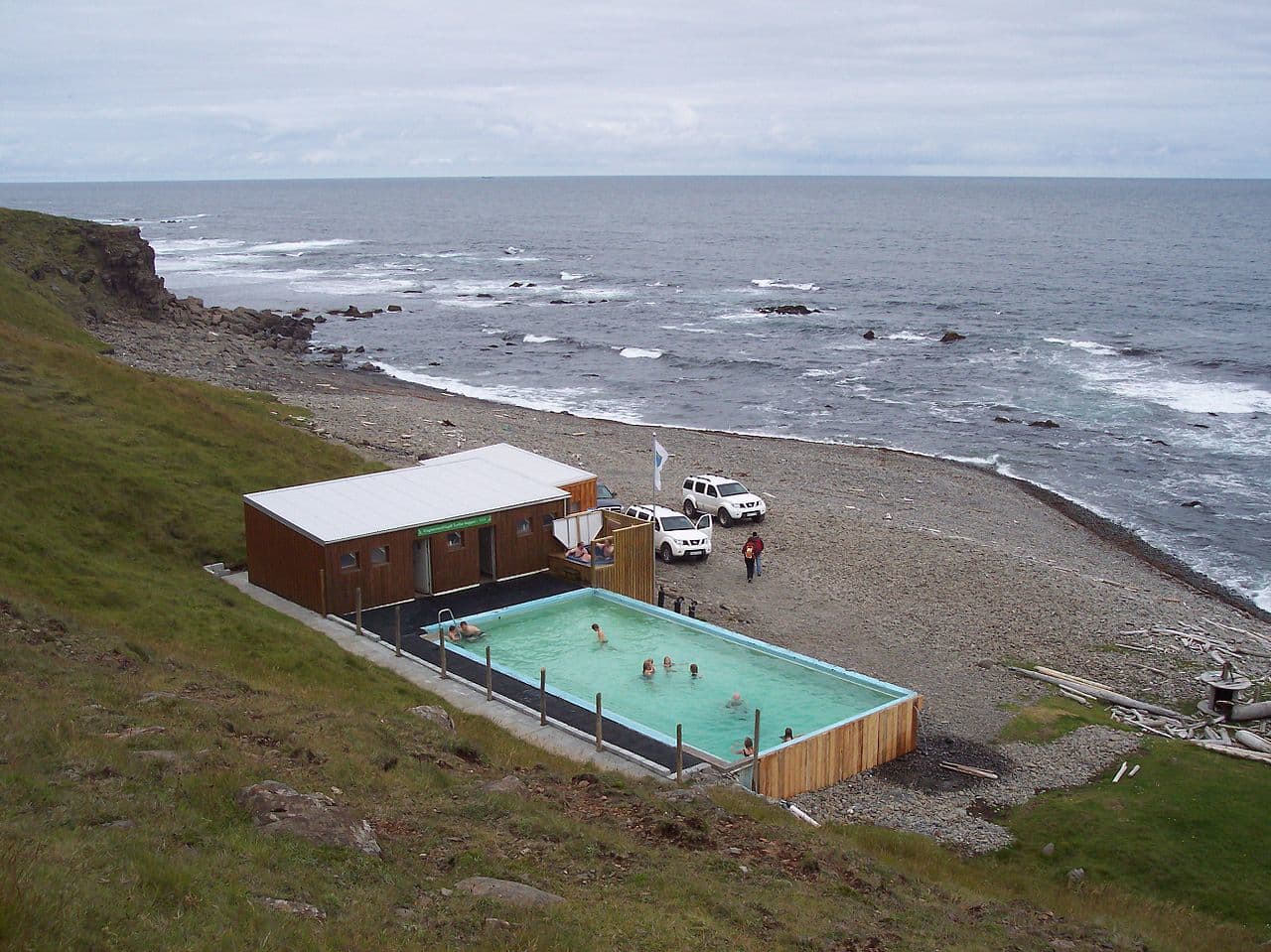
At the far end of Strandir, on the eastern edge of the Westfjords, Krossneslaug sits beside the sea with open views over the North Atlantic. It is not a secret, but it is remote enough that most visitors will never get there.
The drive is the filter. The last part is gravel, the region is sparsely populated, and you should treat it as a Westfjords day rather than a quick detour. If you are already exploring Strandir, it can be one of the best pool stops in the country. If you are racing around the Ring Road, leave it for another trip.
Hrunalaug: the small one with rules
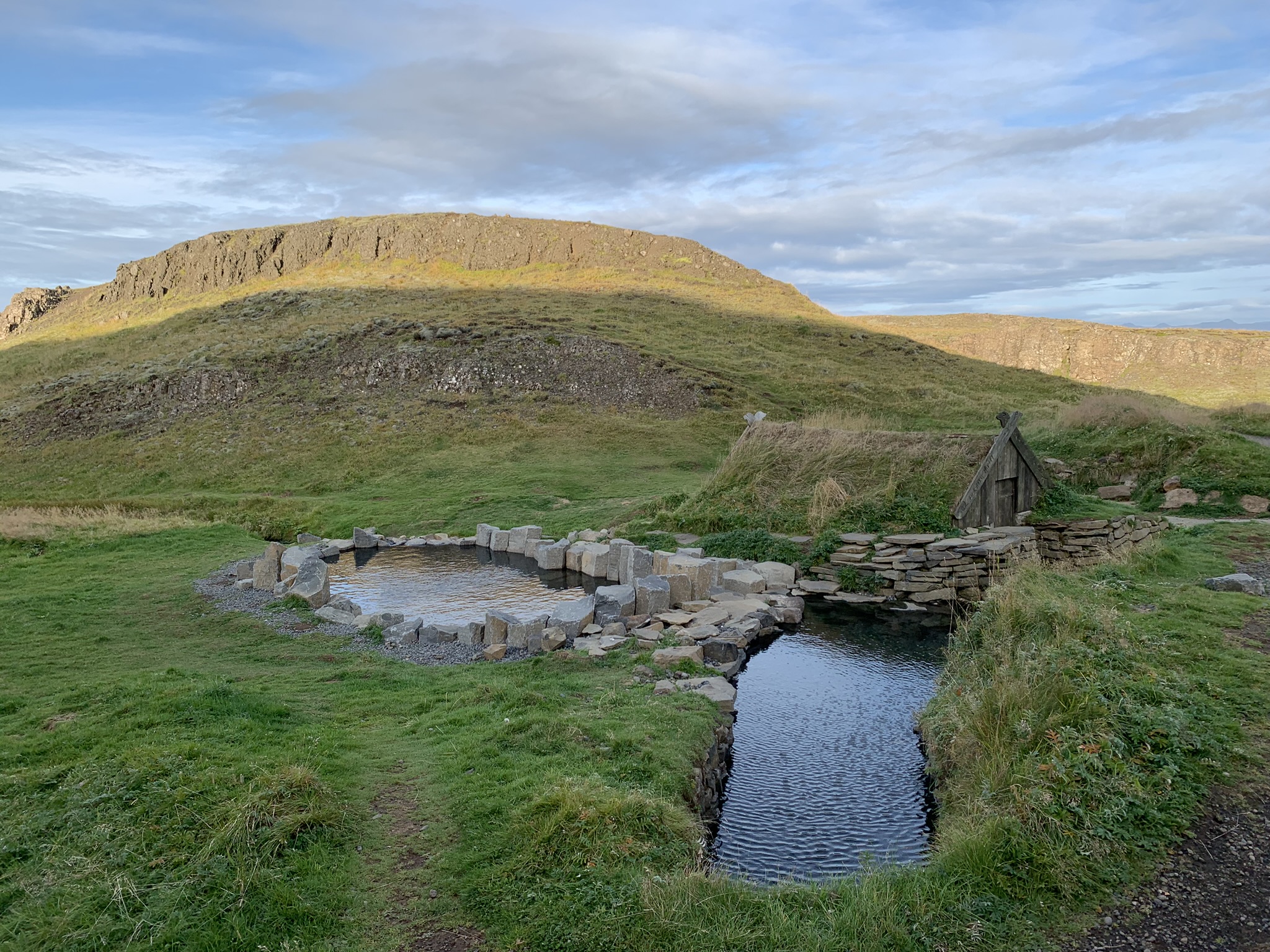
Hrunalaug is a small farmer-owned hot pool near the Golden Circle. The setting is atmospheric: a stone pool, warm water, grass, and an old turf-roofed hut. It is also tiny. A few people can make it feel full.
The owner charges a fee. Pay it. Access to places like this depends on visitors behaving like guests, not consumers. Do not stay forever, do not leave rubbish, and do not treat the hut as a changing-room party. If it is crowded, come back later or choose a local sundlaug instead.
Grettislaug: the northern add-on
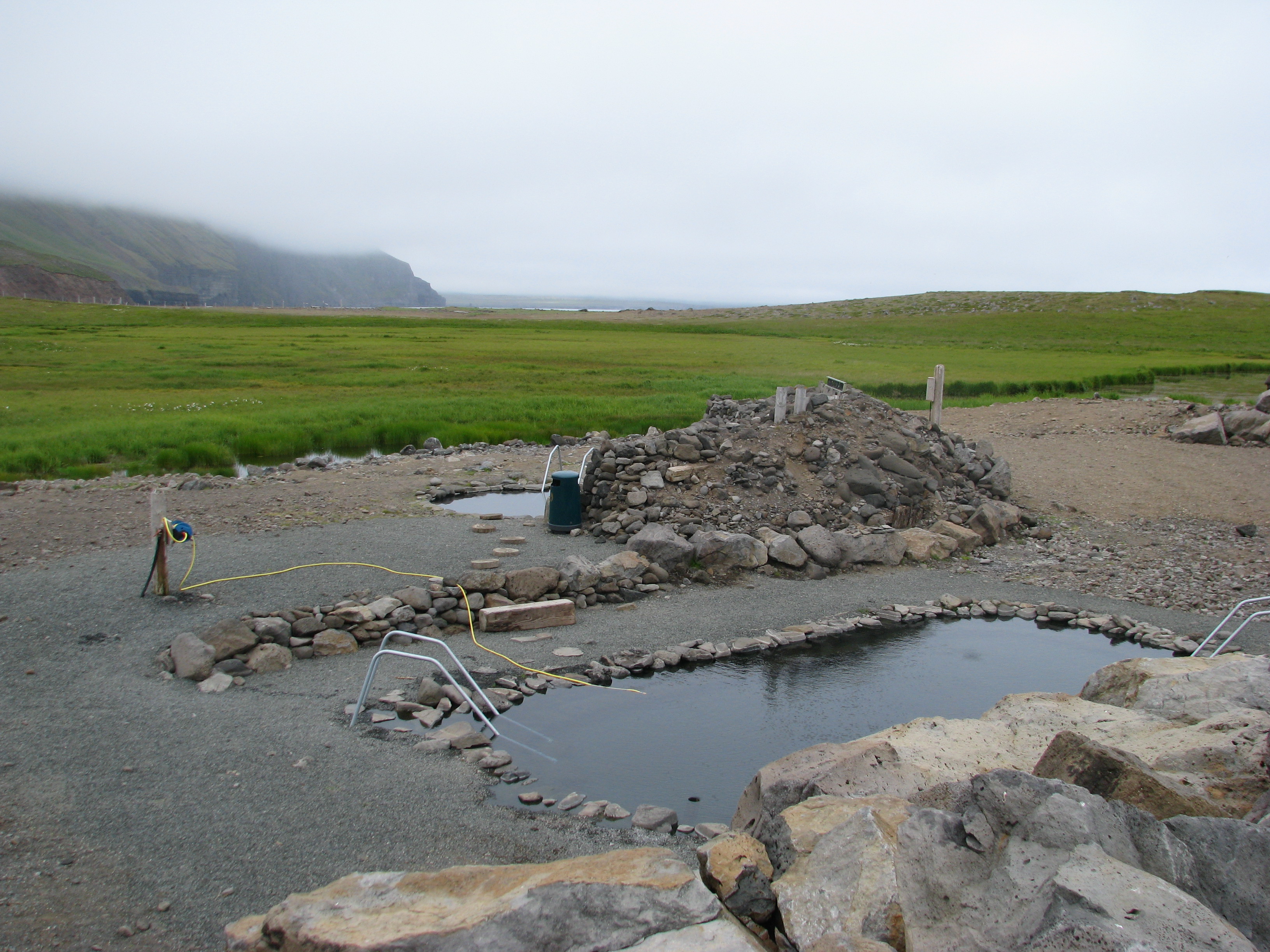
Grettislaug, in Skagafj?r?ur in North Iceland, is not as famous internationally as Reykjadalur or Seljavallalaug, but it is a useful stop if your route takes you through the north. It is a paid rustic pool area rather than a completely wild spring, with sea views and a strong saga connection to Grettir. Pair it with the north or a slower Ring Road plan rather than forcing it into a short itinerary.
What to bring
- Swimsuit and a quick-dry towel: you may be changing outside or in a very basic hut.
- Sandals or water shoes: the ground around pools can be sharp, muddy, icy, or covered in algae.
- A dry bag: there are usually no lockers and wind can flip loose clothing around fast.
- Drinking water: hot water, hiking, and wind dehydrate you faster than you expect.
- Warm clothes for after: getting out into Icelandic wind is the hard part.
- Cash or card: some rustic pools have fees or honesty boxes, and payment options vary.
Unwritten rules
- Respect private land. If a sign says no entry, listen.
- Pay the fee if there is one, even if nobody is watching.
- Pack out everything. Bottles, wrappers, tissues, hair ties, all of it.
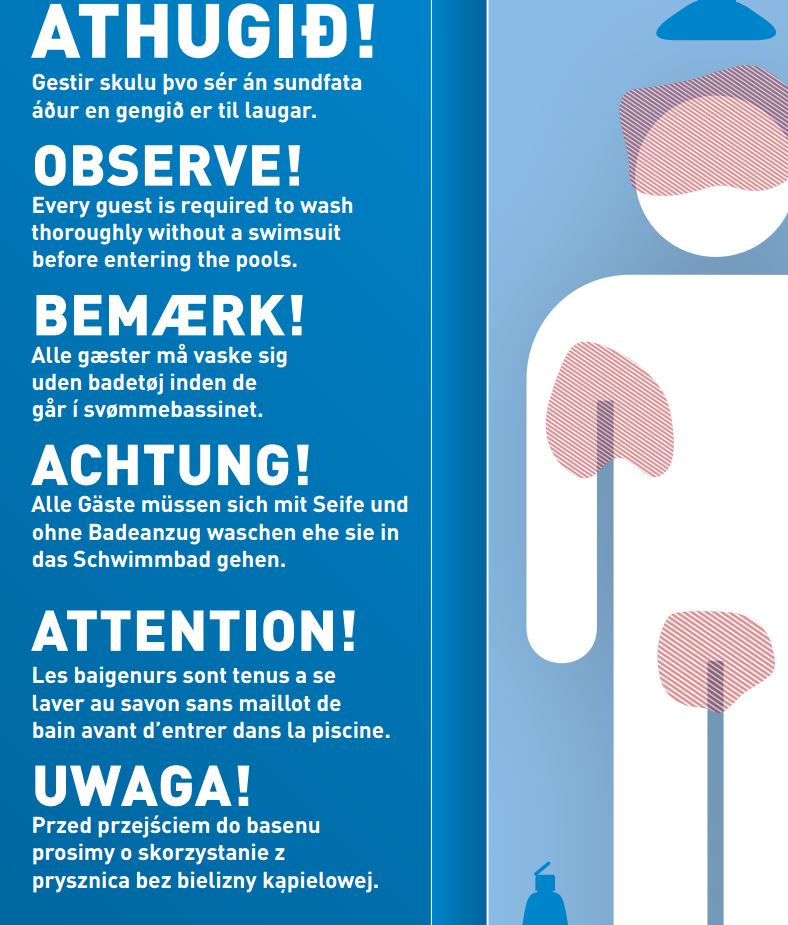
- Do not use soap or shampoo in natural pools or rivers.
- Keep noise low. Wild hot pots are not outdoor bars.
- Limit your time at small pools so others can have a turn.
- Never step off marked paths in geothermal areas. Thin crust can hide boiling water underneath.
The bottom line
Wild hot pots can be the best bathing experience in Iceland, but they ask something back: effort, restraint, and respect. The reward is not just warm water. It is the walk in, the weather, the silence, the awkward towel change, and the feeling that you earned the place a little.
For most visitors, Reykjadalur is the easiest first choice. Landmannalaugar is the dream if you have a highland plan. Seljavallalaug works as a South Coast atmosphere stop. Krossneslaug belongs to a Westfjords trip. Hrunalaug is lovely only when treated gently. Choose the one that fits your route instead of chasing every photo.