Iceland is not a safari destination in the classic sense. You will not find bears, wolves, snakes, or large forests full of mammals. But if you know what to look for, Iceland has some of the most memorable wildlife experiences in the North Atlantic: puffin cliffs, whale watching harbors, seal beaches, arctic fox territory, seabird colonies, and reindeer in the east.
The trick is planning by season and region. Many visitors expect wildlife to appear everywhere, all year, without effort. Iceland does not work like that. Puffins are seasonal. Reindeer are regional. Arctic foxes are shy. Whales are never guaranteed. The best experiences come when you choose the right place at the right time and behave quietly enough not to disturb the animals.
For most visitors, combine one puffin or bird-cliff stop, one whale watching tour, and one seal beach or coastal detour. That gives you a realistic wildlife experience without turning the whole trip into a chase.
- Puffins: June and July are usually best; try Látrabjarg in the Westfjords, the Westman Islands, Dyrhólaey on the South Coast, or Borgarfjörður Eystri.
- Whales: tours run from Reykjavík, Húsavík, Akureyri, and Dalvík; summer gives the strongest odds.
- Seals: Ytri Tunga, Vatnsnes, and quiet coastal areas such as Snæfellsnes are good places to look from a respectful distance.
- Arctic foxes: possible in parts of Iceland, but Hornstrandir in the Westfjords is the classic area.
- Reindeer: look in East Iceland, especially outside the busiest summer months.
Puffins in Iceland
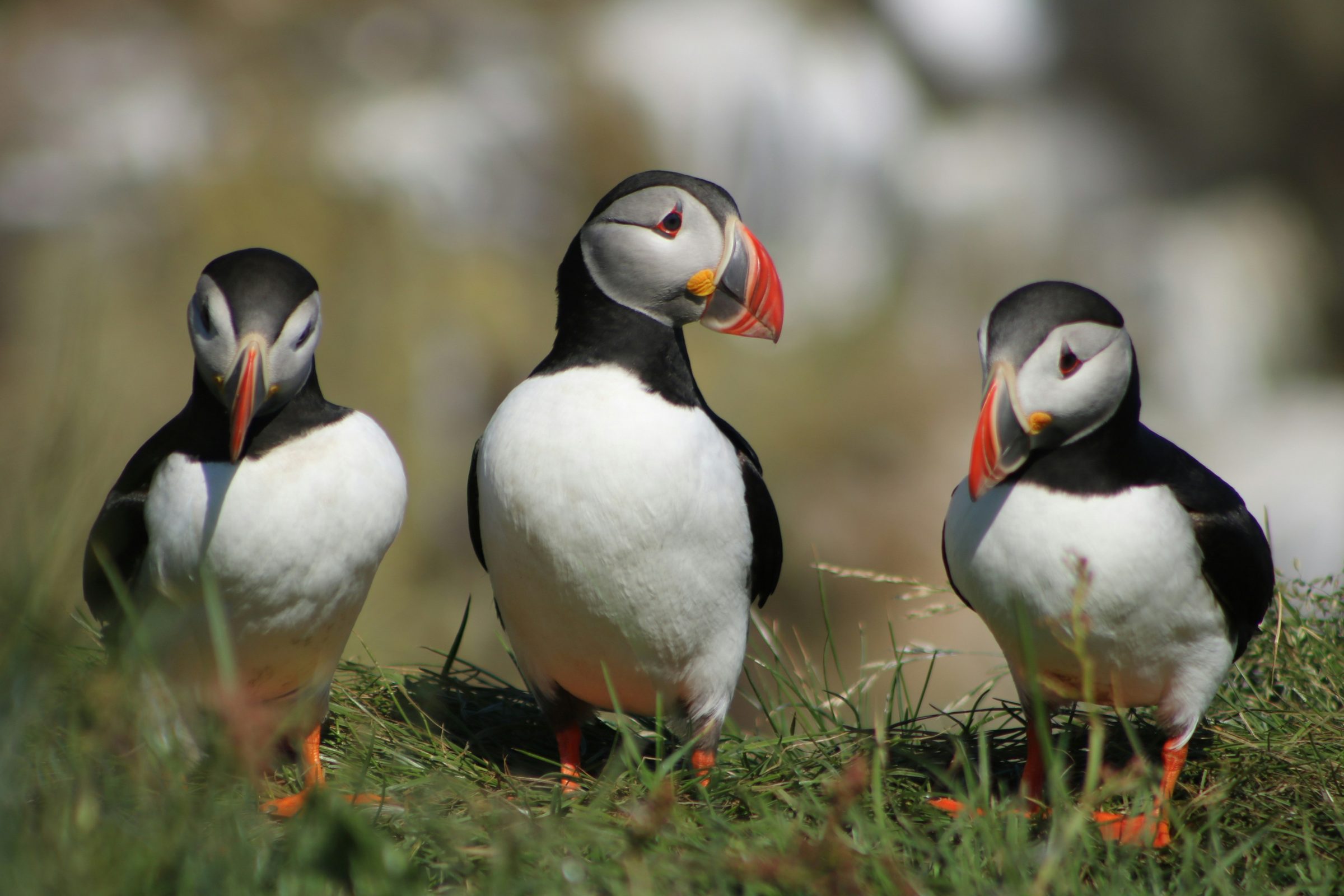
Puffins are the wildlife many travelers hope to see in Iceland. They nest in coastal cliffs and grassy islands, usually from late April or May into August. The best viewing window is often June and July, when birds are active around the colonies and daylight is long.
The most famous puffin places include Látrabjarg in the Westfjords, the Westman Islands, Dyrhólaey on the South Coast, Borgarfjörður Eystri in East Iceland, and some boat-access islands. Látrabjarg can be spectacular because puffins may come close to the cliff edge, but visitors must be careful: cliffs are dangerous, edges can collapse, and birds should never be chased for photos.
Puffin cliffs can be unstable. Lie down or stay well back if you are photographing near edges, and never step onto fragile grassy overhangs.
Whales and Whale Watching
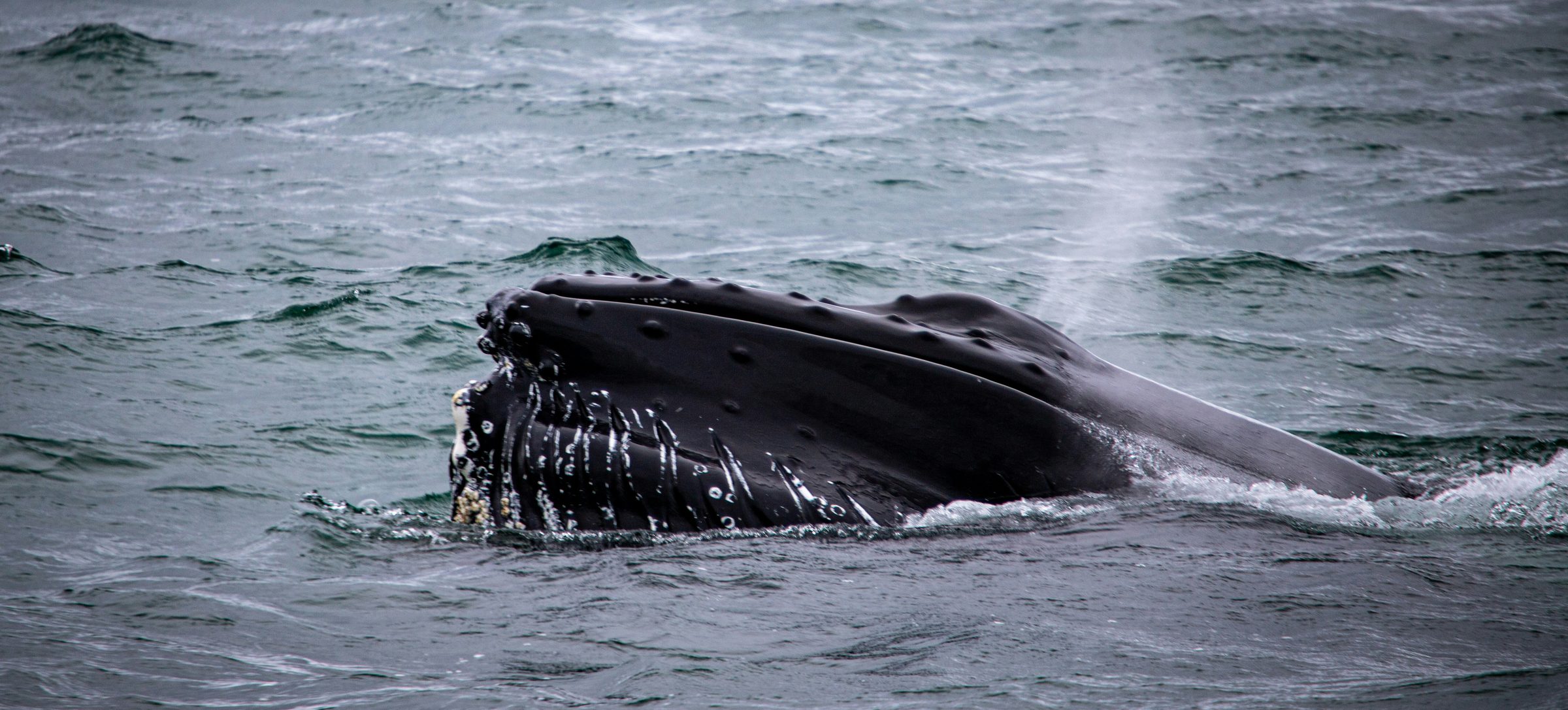
Iceland is one of Europe's best whale watching destinations. Tours run from several towns, especially Reykjavík, Húsavík, Akureyri, and Dalvík. Humpback whales are the species many visitors see, but minke whales, dolphins, porpoises, and occasionally blue whales or orcas may appear depending on region and season.
Húsavík has the strongest whale watching reputation, especially in summer. Reykjavík is more convenient if you are short on time or not traveling north. Akureyri and Eyjafjörður can be excellent because the fjord is sheltered compared with open ocean tours.
Whale species you may see in Iceland
More than 20 cetacean species have been recorded in Icelandic waters, but visitors should think in terms of realistic sightings rather than a checklist. On normal whale watching tours, these are the names most worth knowing:
- Humpback whale — the classic Iceland whale watching sighting, especially in North Iceland in summer. Often shows the tail fluke when diving.
- Minke whale — smaller, faster, and one of the more common whales around Iceland, including tours from Reykjavik.
- White-beaked dolphin — not a whale in the strict everyday sense, but a common cetacean sighting on Iceland tours.
- Harbour porpoise — small, quick, and easy to miss unless the sea is calm.
- Orca / killer whale — possible but less predictable. Snaefellsnes and western waters can be especially interesting when herring are around.
- Blue whale — rare, but occasionally seen, especially in northern and western waters in early summer.
- Fin whale — the second-largest animal on Earth; possible around Iceland but not something to count on during a short tour.
- Sperm whale — a deep-water species, seen much less often by regular visitors.
- Pilot whale — occasionally recorded around Iceland, but not a typical target species for standard whale watching tours.
Seals
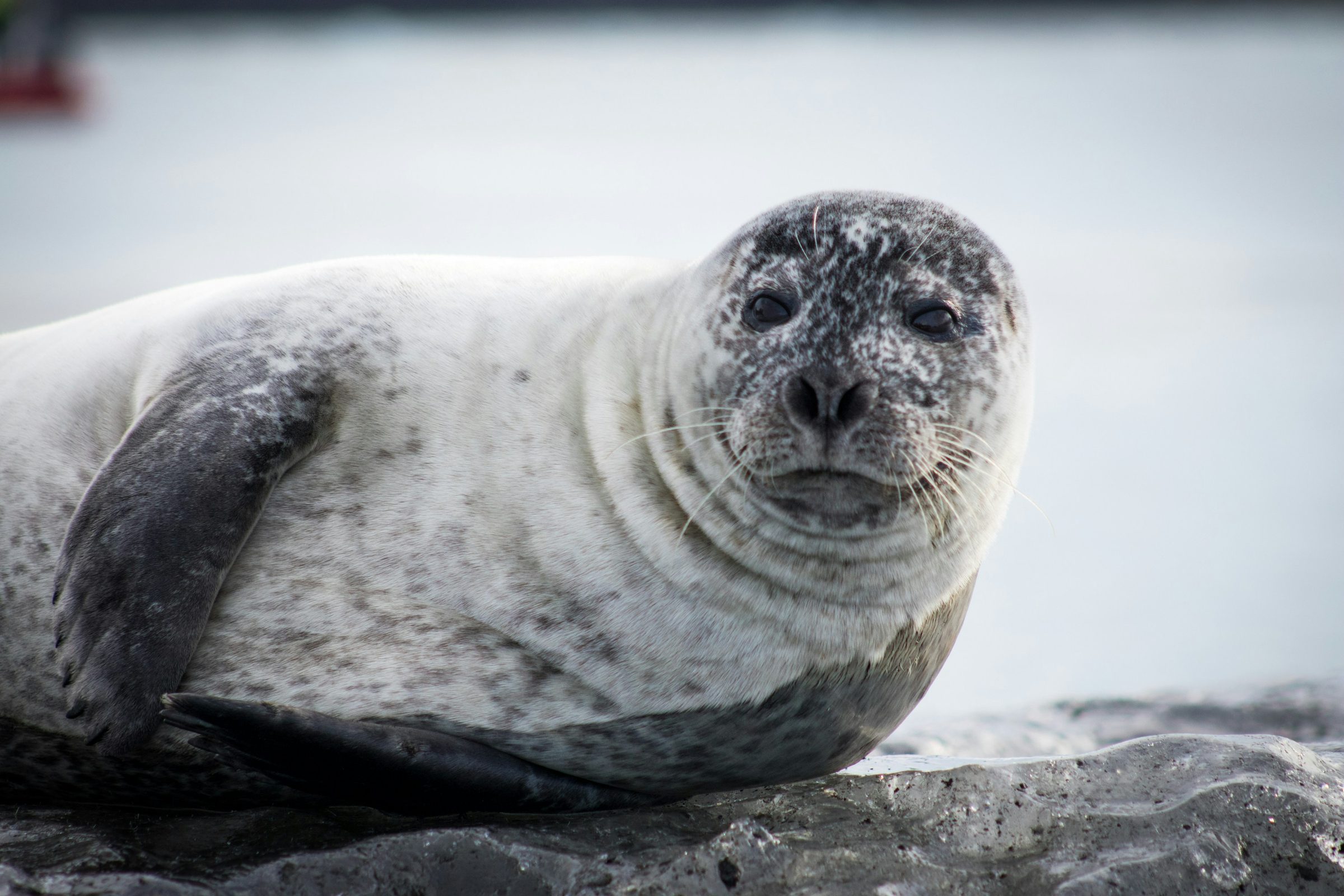
Seals are easier to see than many visitors expect, but they are also easy to disturb. Good seal areas include the Vatnsnes Peninsula in North Iceland, Ytri Tunga on Snæfellsnes, the Jökulsárlón area, and quiet coastal spots around the country.
Ytri Tunga is popular because it is accessible and often has seals resting on rocks offshore. Bring binoculars or a zoom lens instead of walking toward them. If seals lift their heads, move away, or enter the water because of you, you are too close.
Arctic Foxes
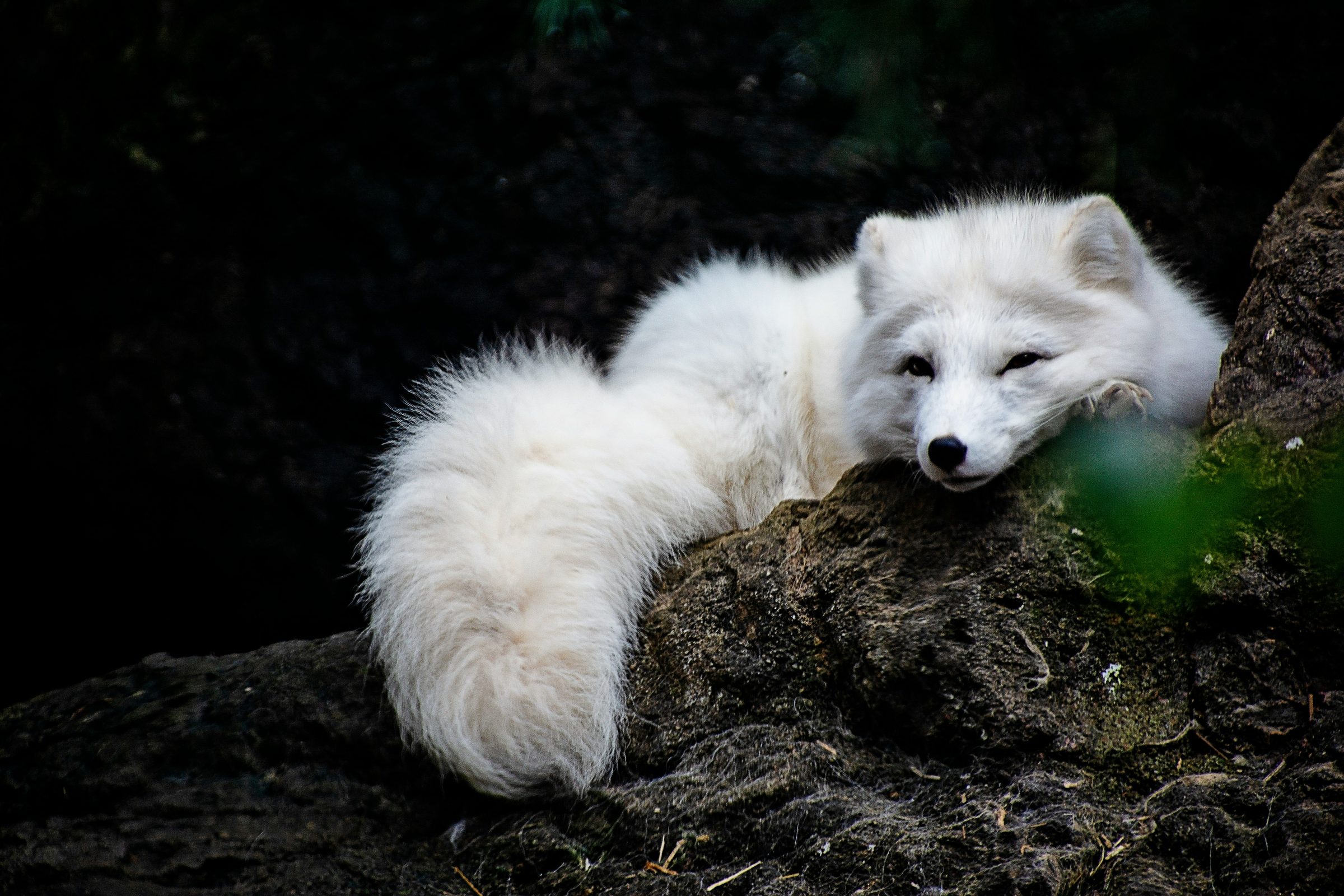
The arctic fox is Iceland's only native land mammal. It arrived naturally long before humans settled Iceland. Foxes live in several parts of the country, but most visitors never see one because they are shy and often blend into the landscape.
The Hornstrandir Nature Reserve in the Westfjords is the classic arctic fox destination. Foxes there can be less wary than elsewhere because the reserve has no permanent human settlement and no roads. But Hornstrandir is remote, weather-dependent, and best visited with proper planning or a guided trip.
Polar bears are not resident animals in Iceland, although they have reached the country very rarely, usually after drifting from Greenland on sea ice. These events are unusual enough to make national news.
Reindeer in East Iceland
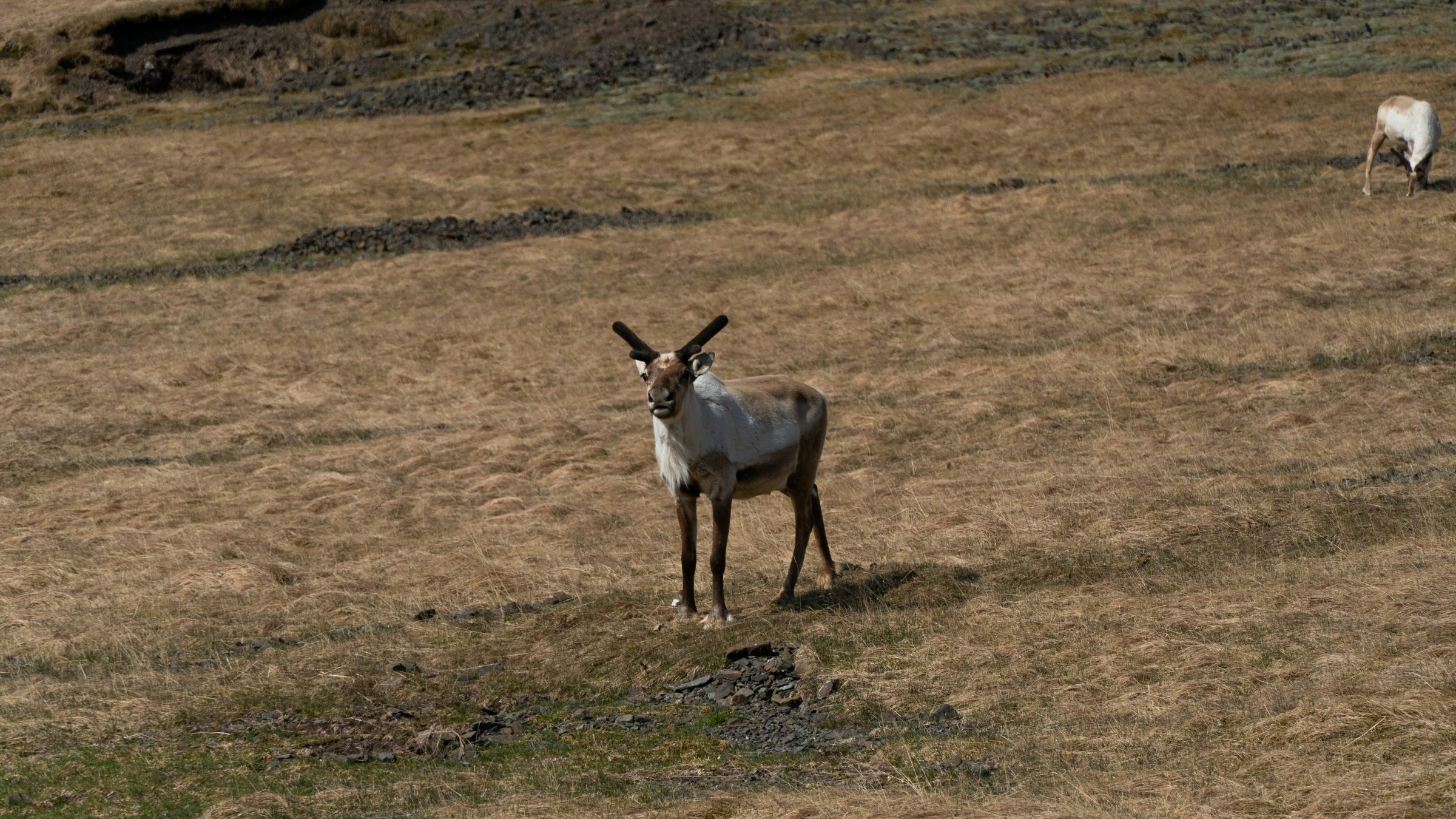
Reindeer live in East Iceland, mostly around the highlands and eastern fjords. They are not native in the same way as the arctic fox; they were introduced to Iceland in the 18th century. Today, East Iceland is the only region where travelers have a realistic chance of seeing them.
Mink in Iceland
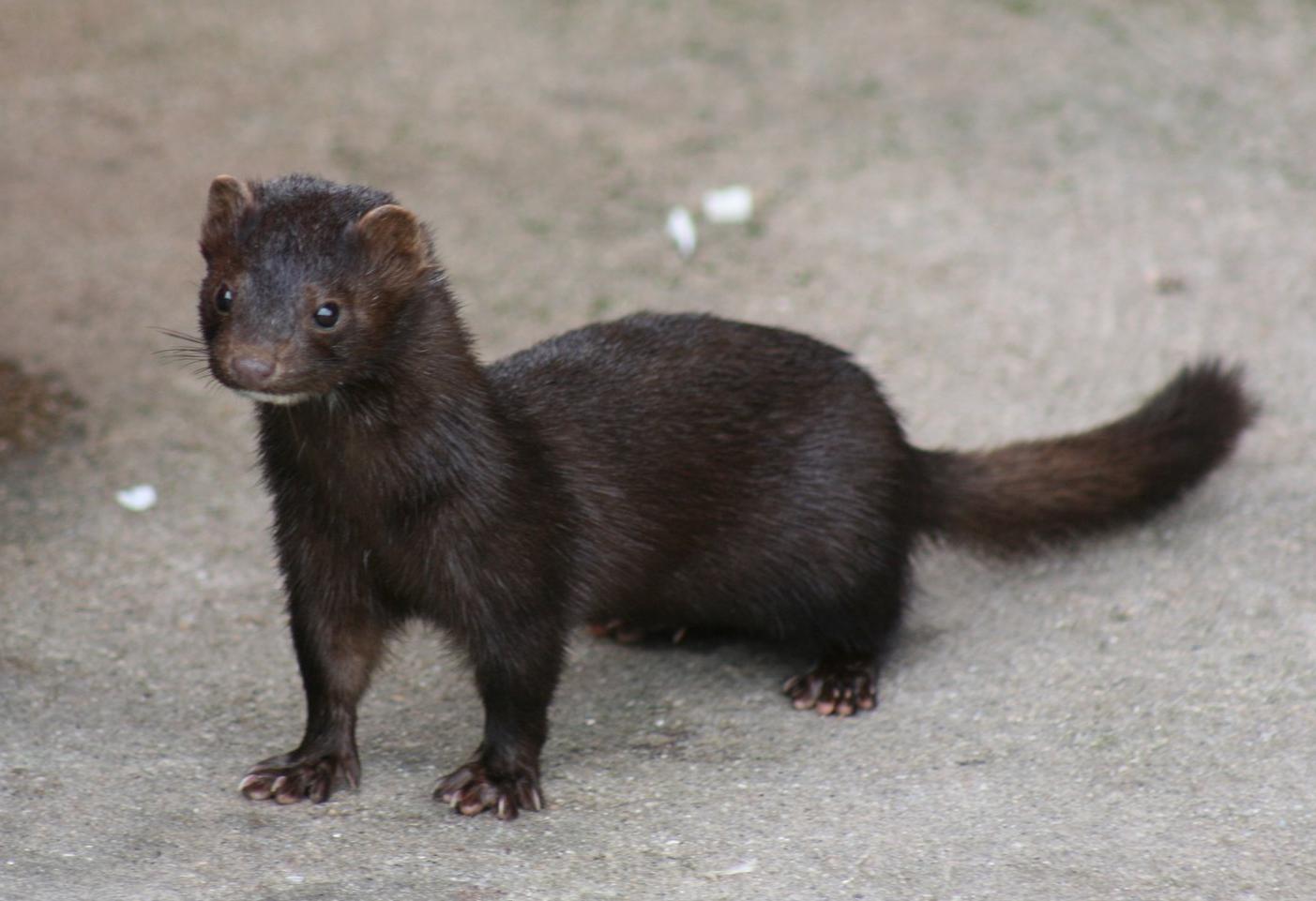
Mink are another land mammal visitors may hear about, but they are not native to Iceland. The American mink (Neogale vison) was brought to Iceland for fur farming in 1931, escaped soon after, and spread quickly around the country. Today, mink are generally treated as an invasive species and a pest in Iceland.
They are small, long-bodied predators from the weasel family, usually dark-furred with a bushy tail and often a pale or white patch under the chin. Mink are strong swimmers and live near rivers, lakes, wetlands, and coastlines, where they hunt fish, birds, eggs, and chicks. For travelers, a mink sighting is interesting, but in Icelandic nature management the animal is mostly discussed because of its pressure on birdlife.
Icelandic Horses
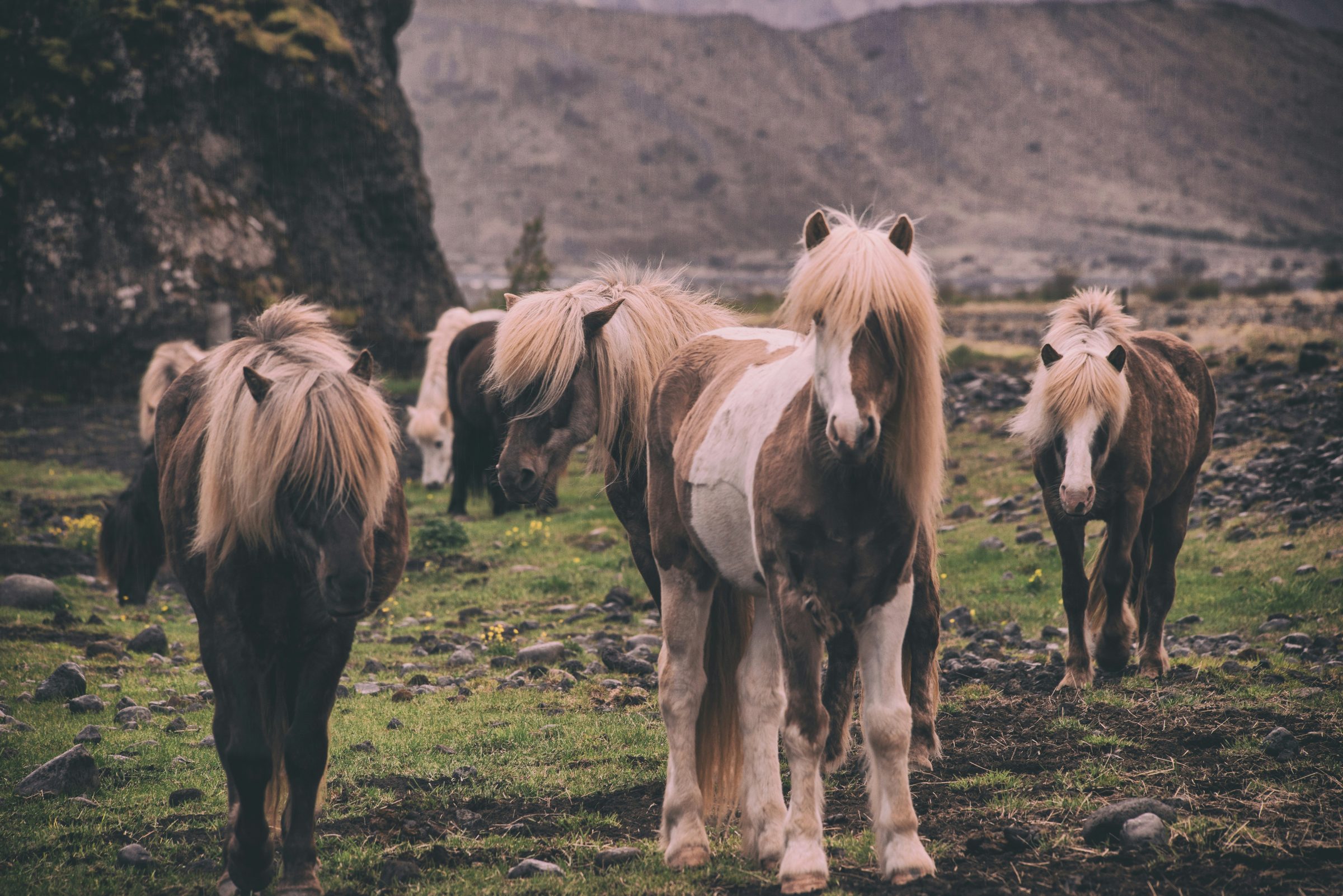
Icelandic horses are not wild animals, but they are one of the animals visitors notice most. They are small, strong, curious, and deeply tied to Icelandic culture. You will see them in fields all over the country.
The important rule is simple: do not feed horses at fences. Farmers do not want strangers feeding their animals, and some foods can be bad for them. If you want a proper horse experience, book a riding tour or visit a farm that welcomes visitors.
Reykjavik Family Park and Zoo
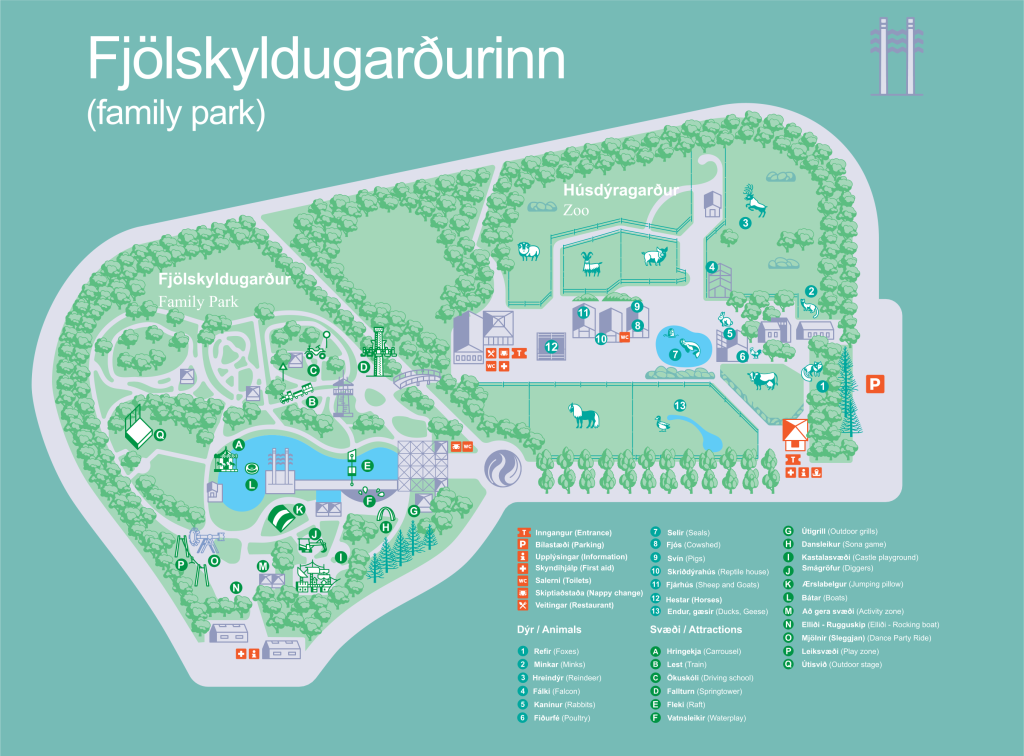
If you are traveling with children or staying in Reykjavik, the Reykjavik Family Park and Zoo is an easy animal stop that does not depend on weather, season, or long driving. It is not a wild Iceland experience, but it is a practical place to see Icelandic animals up close, including horses, sheep, goats, pigs, cattle, chickens, reindeer, seals, foxes, and other animals.
The zoo is especially useful for families who want a gentle animal experience in the capital before or after a road trip. Treat it as a Reykjavik family activity rather than a replacement for puffin cliffs, whale watching, seal beaches, Hornstrandir fox country, or East Iceland reindeer in the wild.
Birdlife Beyond Puffins
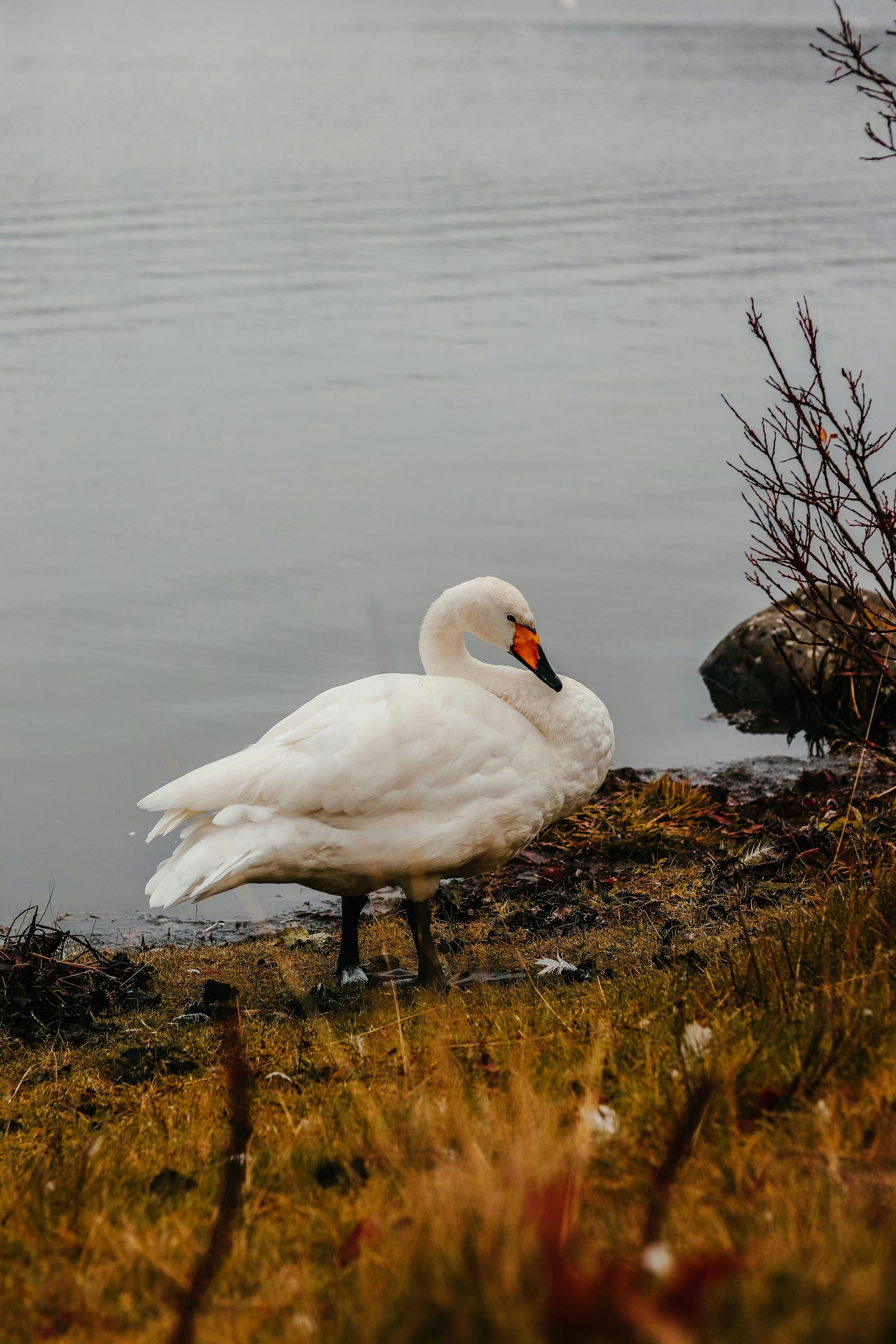
Iceland is a serious birding destination. Beyond puffins, visitors may see arctic terns, fulmars, kittiwakes, guillemots, gannets, eider ducks, swans, geese, ptarmigan, and many migratory birds. Coastal cliffs, wetlands, lakes, and river mouths are often the best places to look.
Arctic terns deserve special respect. They nest on the ground and defend their chicks aggressively. If terns start diving at you, you are near a nesting area. Leave calmly, hold something above your head if needed, and do not wander through nesting zones.
Best Wildlife Seasons
Best Places for Wildlife
How to Watch Wildlife Responsibly
Wildlife encounters are better when animals stay relaxed. Keep distance, use binoculars or a zoom lens, stay on marked paths, and do not block animals from reaching the sea, nests, or young. Never feed wildlife, never fly drones near birds or animals, and never treat a wild animal like a prop for a photo.
If an animal changes behavior because of you, you are too close. That rule works for seals, foxes, birds, horses, and almost everything else.
FAQ
What wildlife is Iceland best known for?
Iceland is best known for puffins, whales, seals, seabird cliffs, arctic foxes, and reindeer in East Iceland. Most visitors have the best chance of seeing puffins in summer, whales on boat tours, and seals at quiet coastal stops.
When is the best time to see puffins in Iceland?
The best time to see puffins in Iceland is usually June and July, although they often arrive in late April or May and leave by August. Summer gives the best combination of daylight, access, and bird activity around colonies.
Can you see whales in Iceland all year?
Whale watching tours operate year-round in some places, but summer usually gives the strongest odds and most comfortable conditions. Humpback whales, minke whales, dolphins, and porpoises are among the more realistic sightings.
Where can you see reindeer in Iceland?
Reindeer are found mainly in East Iceland, around the eastern highlands and fjord regions. They are easiest for many travelers to notice outside the busiest summer months, when they may come closer to lowland roads and towns.
The Bottom Line
Iceland's wildlife is subtle compared with the landscapes, but it can become one of the most memorable parts of a trip. Plan by season, choose a few realistic wildlife stops, and give animals enough space.
For most travelers, the best wildlife plan is simple: puffins or bird cliffs in summer, a whale watching tour if the weather is good, a seal stop on the coast, and respectful curiosity everywhere else.