Every visitor asks it sooner or later, usually with a half-smile: do Icelanders really believe in elves? The honest answer is more interesting than yes or no. Most of us don't believe in the way the souvenir shops suggest. But very few of us would happily blow up a rock that the neighbours say belongs to the hidden people.
This guide covers what Icelanders actually think about elves today, the difference between álfar and huldufólk, the lava-field road fight that made world news, a few folktales worth knowing, and the places you can go to feel it yourself.
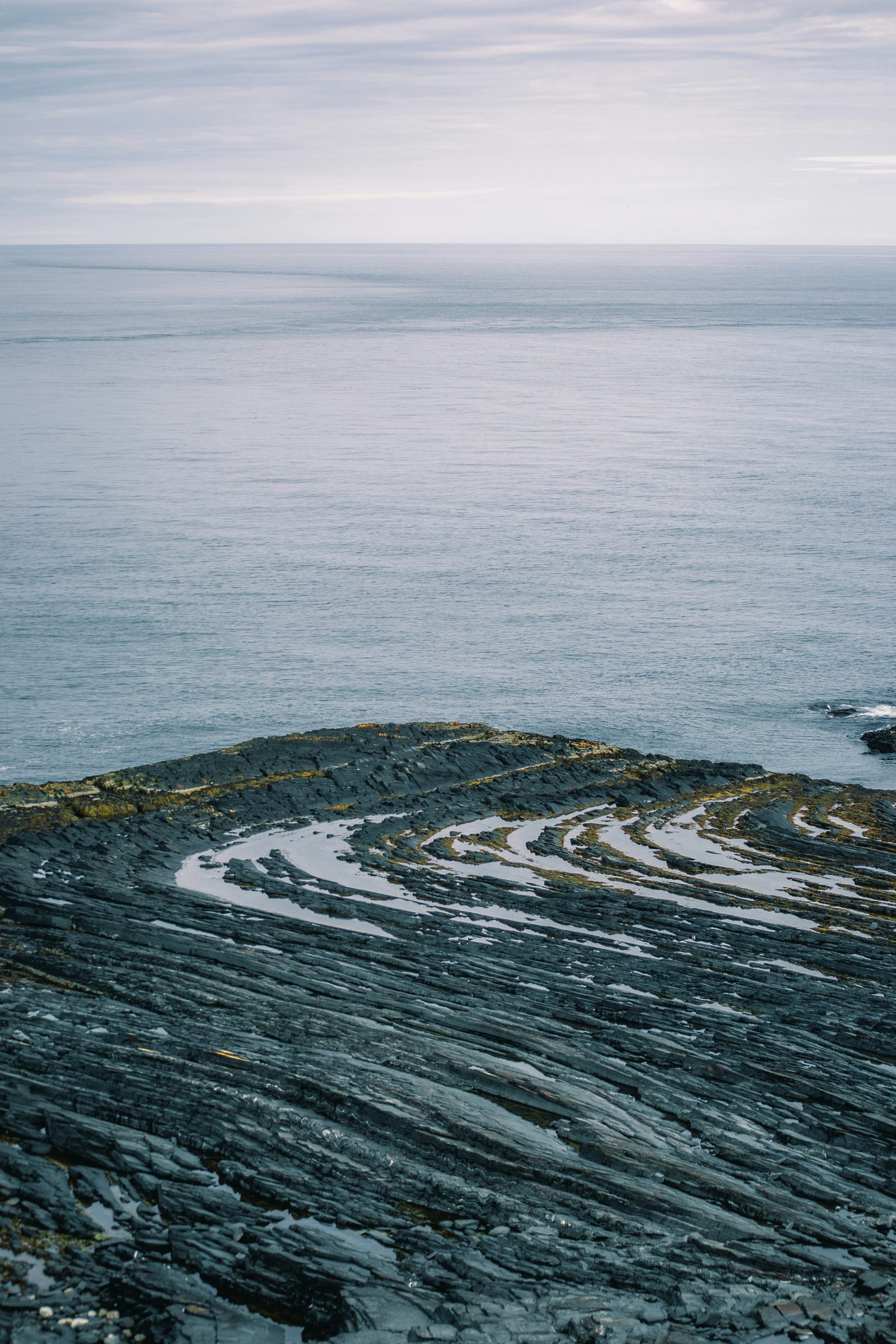
Icelandic elves are not tiny Christmas helpers. In the old stories they are human-sized, good-looking and invisible, living inside rocks much as Icelandic farmers once lived. About a third of Icelanders say they believe in them today. Many more simply prefer not to disturb an elf rock, just in case.
Do Icelanders Really Believe in Elves?
About a third say yes, and most of the rest won't rule it out. A 2022 Prósent poll found 31% of Icelanders believe in elves, 57% don't and 11% aren't sure. Women (44%) were far more likely to say yes than men (27%), and belief was stronger among older people and in the countryside than in Reykjavík (Reykjavík Grapevine).
The University of Iceland's folk-belief surveys tell the same story from a different angle. In 2023 about 45% said elves at least possibly exist, while just under 6% said they had ever seen one. An earlier survey by folklorist Terry Gunnell found only 13% would call elves impossible.
For most of us it isn't a religion, it's a habit of respect. You grew up with your grandmother's stories, you know someone who swears something odd happened at a certain rock, and you see no reason to tempt fate. Icelandic scholars still argue about it: some say people mostly told these stories for entertainment, others that the belief genuinely shapes what people do (Ferlir). Both are probably true.
Álfar, Huldufólk and Trolls: Who's Who
In everyday Icelandic, álfar and huldufólk mean almost the same thing. In the 2023 survey around 40% saw no difference between them and only about 21% thought there was one. Forget Tolkien and Santa's workshop: in the old stories they keep sheep, cows and horses, go fishing, pick berries and go to church, just a little more successfully than the humans next door.
| Being | What they're like | Where you'll meet them |
|---|---|---|
| Huldufólk (hidden people) | Human-sized, invisible unless they choose otherwise. Helpful if treated well, vengeful if wronged. | Inside rocks, cliffs and hillocks that look like ordinary stone |
| Álfar (elves) | The older word, going back to Norse myth, where light elves lived in Álfheimur. Today mostly a synonym for huldufólk. | Same places. The word shows up in names like Álfhóll and Álfaborg |
| Tröll (trolls) | Huge, dangerous, rarely friendly. Turn to stone if caught by sunlight. | Odd-shaped sea stacks and lava pillars around the coast |
One old legend explains where the hidden people came from. Eve was washing her children when God came to visit, and she hid the ones she hadn't got to yet. God declared that what was hidden from him would stay hidden from people. Those unwashed children became the huldufólk.
Roads, Rocks and the Elf Church That Moved
The story every foreign journalist loves is the Álftanesvegur road through the Gálgahraun lava field in Garðabær, just south of Reykjavík. In 2013 a new road was planned straight through the lava. The conservation group Hraunavinir ("Friends of the Lava") protested hard, and nine activists were charged after police removed them from the site.
The protest was really about nature, but international news focused on one detail: a large rock said to be Ófeigskirkja, an elf chapel, stood in the road's path. In March 2015 the Road Administration moved the rock to the roadside next to similar formations rather than breaking it up (Iceland Monitor). You can still see it there today.
That's the pattern across Iceland. The famous "road bent around an elf rock" stories are usually a mix of genuine local caution, practical engineering reasons and a good story told afterwards. A few more you'll hear:
- Vogar, 2006: the town asked a well-known seer to negotiate with the local elves before building a senior citizens' home.
- Borgarfjörður eystri: the church was meant to stand on the Álfaborg rock until, the story goes, the elf queen appeared in a town elder's dream and asked them to build next to it instead.
- Reykjavík itself: small elf stones sit untouched beside Hótel Natura, in Laugarás and at Hjarðarhagi, with the city built around them.
Please don't build stone cairns or move rocks in lava fields. It damages moss that takes decades to grow back, and Icelanders find it far more annoying than any elf would.
Folktales Worth Knowing
Most Icelandic elf stories come from the big 19th-century folktale collections, and they tell you more about old Icelandic farm life than about magic. Philologist Finnur Jónsson summed up the tradition in 1895, and his overview is reproduced on ferlir.is. Five tales come up again and again:
- The midwife in the rock. An elf woman in a difficult labour sends for a human woman, who only has to lay her hands on her. The helper always goes home with a rich gift: fine cloth, a silver belt, an altar cloth nobody can explain.
- The changeling. Elves are drawn to human babies. A calm child who suddenly turned wild and unhappy was said to have been swapped for an old elf, an umskiptingur.
- Moving night. The hidden people move house on New Year's Eve. Icelanders once left candles burning and the house swept for them, and elf bonfires and dances still mark the season.
- The elf merchant. A farmer lost in a snowstorm near Hofsós stumbles into a shop that shouldn't be there. The goods are better and cheaper than in town, and the merchant sends him home with a shawl for his wife.
- Ólafur liljurós. An old ballad: an elf maiden asks a man to stay with her among the elves. He refuses because of his faith, and it does not end well for him.
The moral is nearly always the same. Treat the hidden people decently and they reward you generously. Insult them, damage their home or break a promise, and your luck turns.
Where to Experience It
The easiest half-day is Hafnarfjörður, 15 minutes from Reykjavík. If you're driving the Ring Road, the best detour is Borgarfjörður eystri in the East.
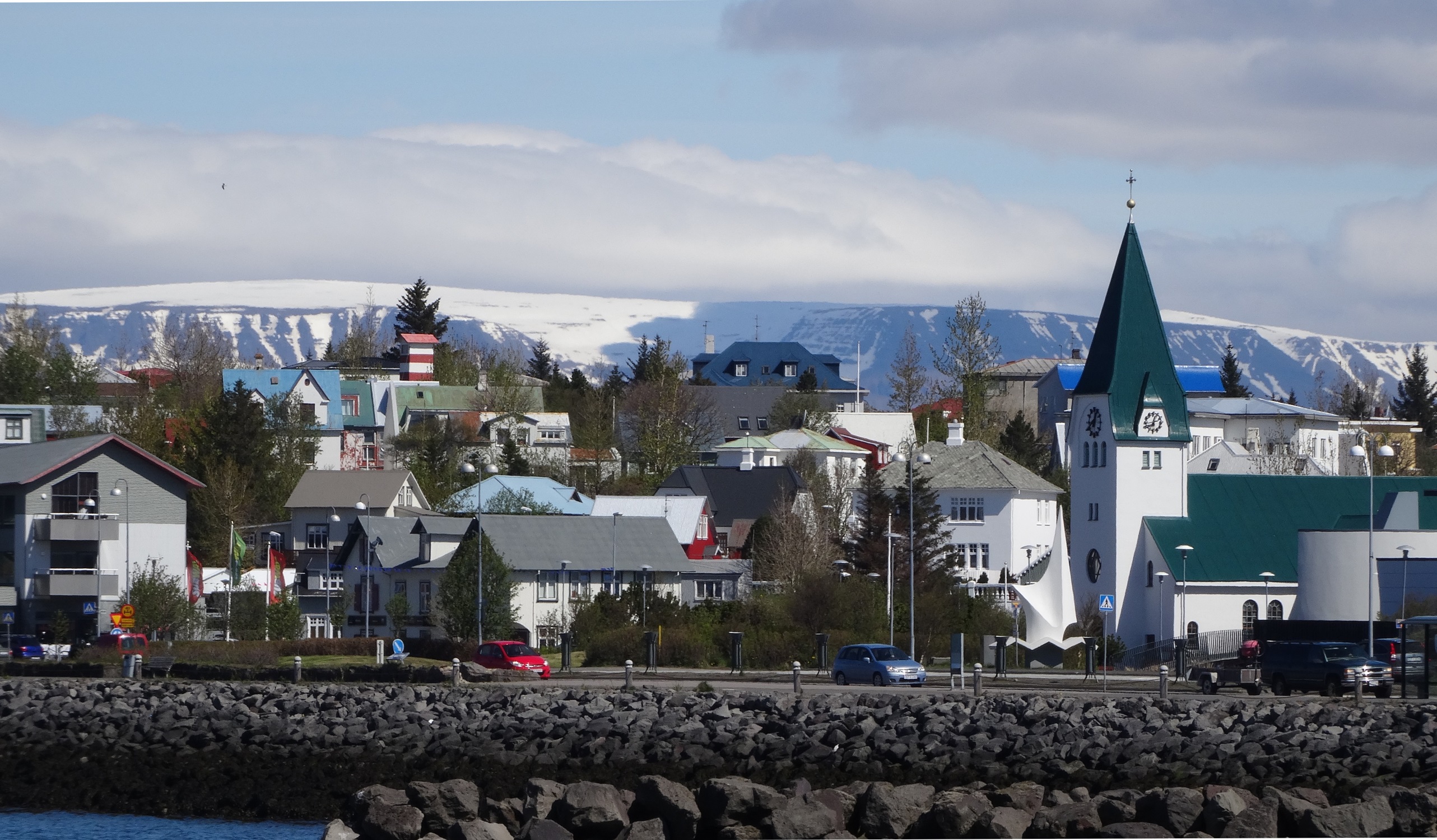
| Place | What to do | Practical |
|---|---|---|
| Hellisgerði park, Hafnarfjörður | Mossy lava garden said to hold the town's largest elf colony. Free to walk. | Opened in the 1920s, a short walk from the harbour |
| Hamarinn cliff, Hafnarfjörður | Said to be home of the hidden people's royal family. Good view over town. | Short climb from the town centre |
| Hidden Worlds walk, Hafnarfjörður | 1–1.5 hour guided storytelling walk with a hidden-world map | From Strandgata 6. Winter (Sep–May): Fri 16:30, Sat 13:00. 6,000 ISK (alfar.is) |
| Álfaborg, Borgarfjörður eystri | Protected rock where the elf queen Borghildur is said to live. Easy path to a view dial on top. | About 70 km from Egilsstaðir (local folklore) |
| Bakkagerðiskirkja, next to Álfaborg | Kjarval's altarpiece shows Christ standing on an elf hill | Small village church, check opening times |
| Ófeigskirkja, Garðabær | The elf chapel moved for the Álftanesvegur road in 2015 | Roadside in the Gálgahraun lava, 15 min from Reykjavík |
| Álfhóll, Kópavogur | The elf hill the local road famously bends around | Residential street, be respectful |
| The Elf School, Reykjavík | Lectures on the different kinds of hidden beings, ending with pancakes and coffee | Running since 1991. Check it's still open before you go |
Elf Etiquette for Visitors
- Don't climb on, chip at or stack stones on a rock that's signposted or that locals point out as an elf home.
- Ask before joking about it with older people in the countryside. Some take it more seriously than they'll admit.
- If you're here over New Year or on 6 January, look for a local álfabrenna (elf bonfire). It's one of the few times the tradition is out in the open. See Iceland in winter.
- If your car keys keep going missing at the guesthouse, you now have an excuse.
The Bottom Line
Icelanders don't worship elves, and most of us don't claim to have seen one. But the belief survives as respect for the landscape, for our grandparents' stories and for the idea that not every rock is ours to move. Spend an afternoon in Hafnarfjörður or a night in Borgarfjörður eystri and you'll understand why the question never quite gets a straight answer.